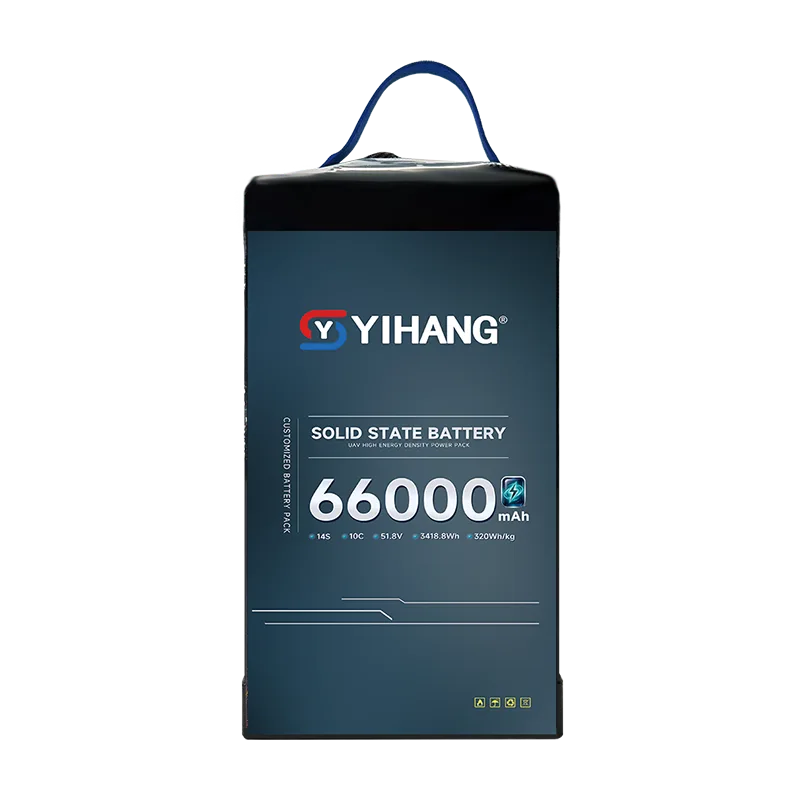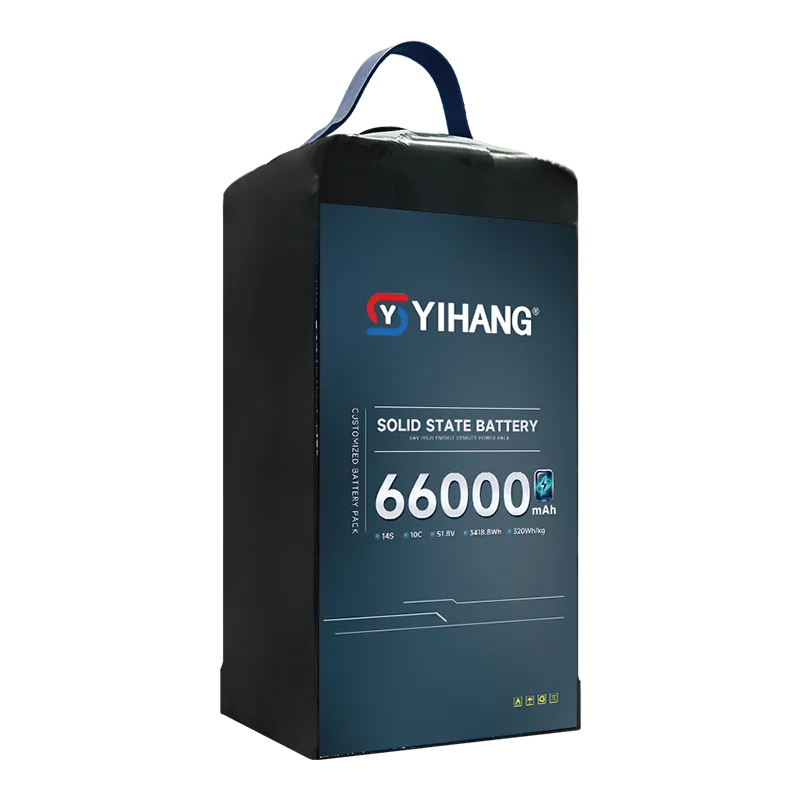
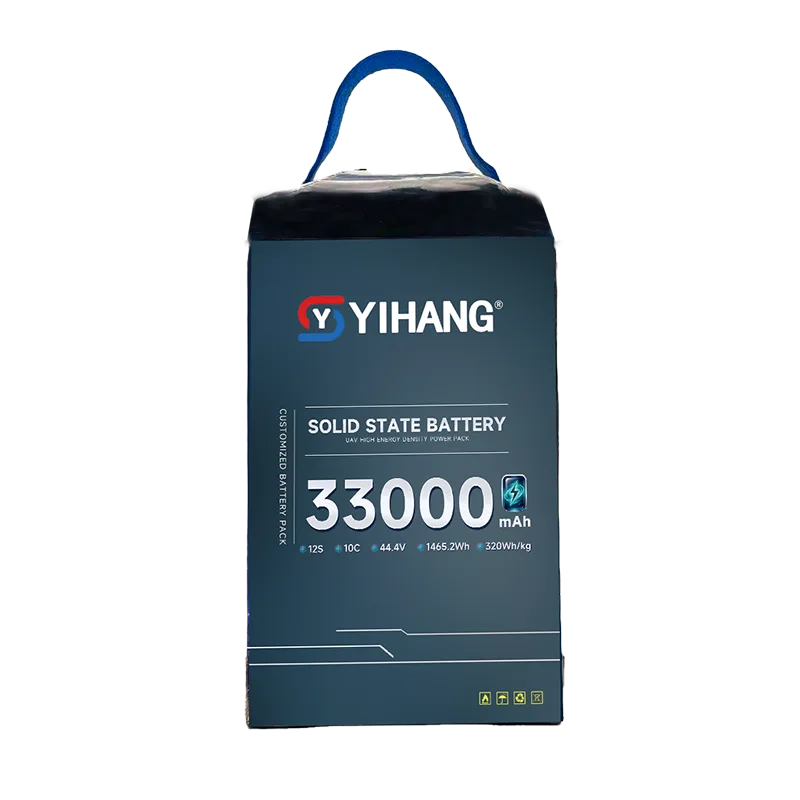
High-Energy-Density Industrial Drone Battery
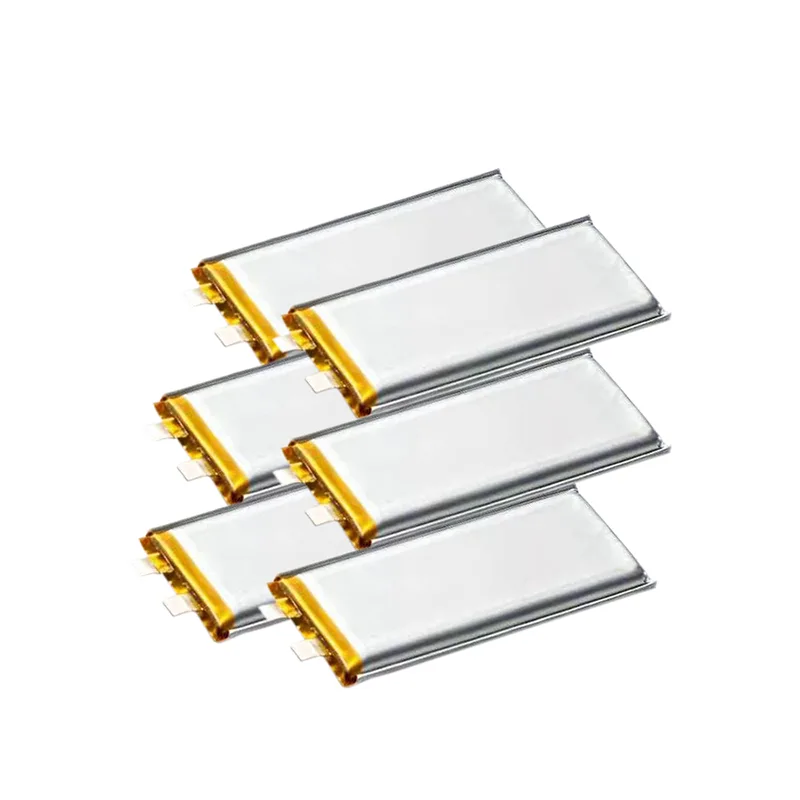
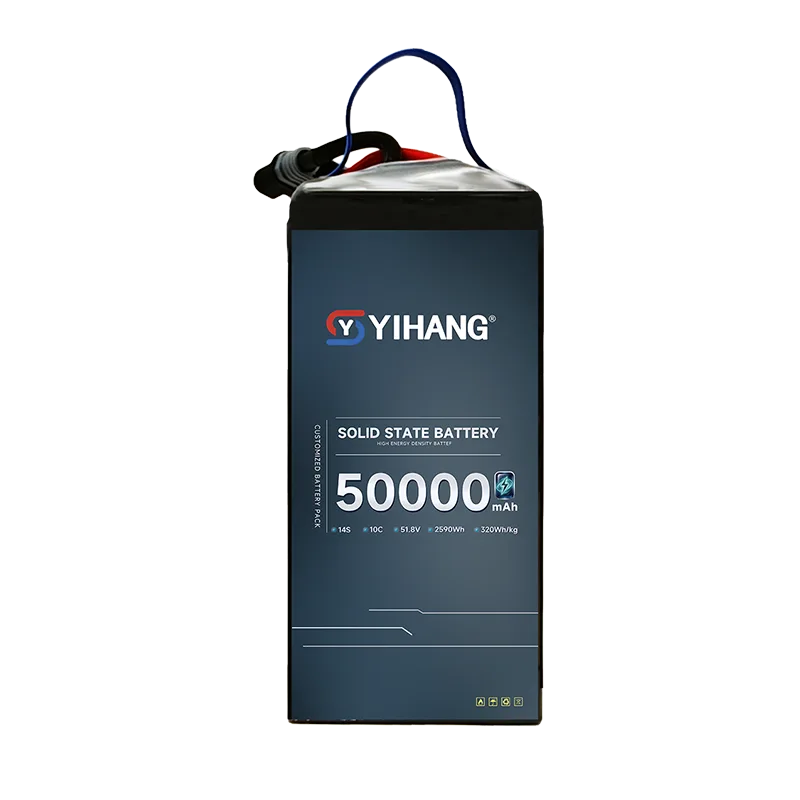
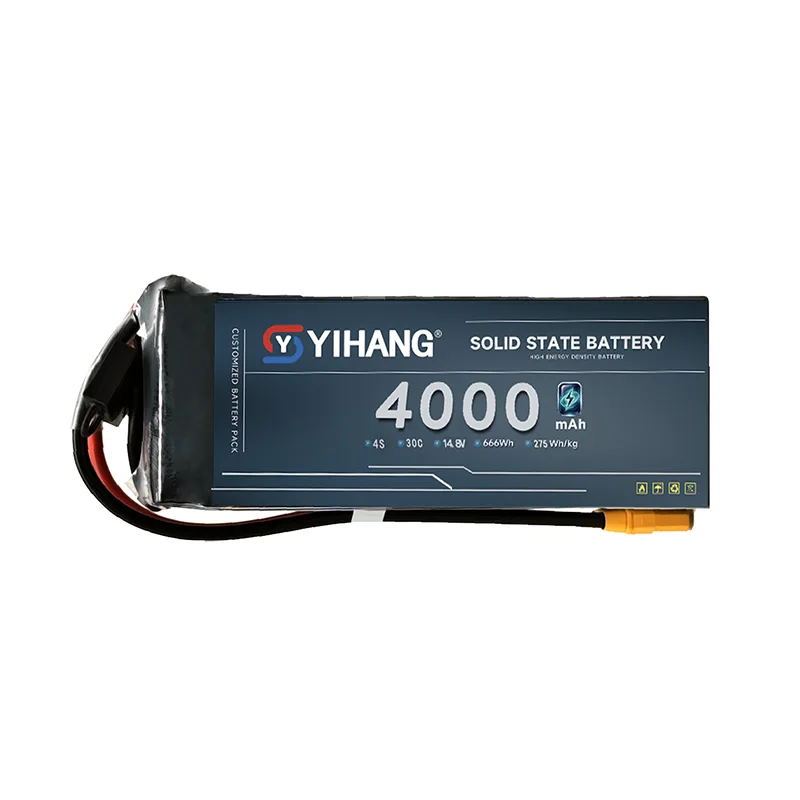
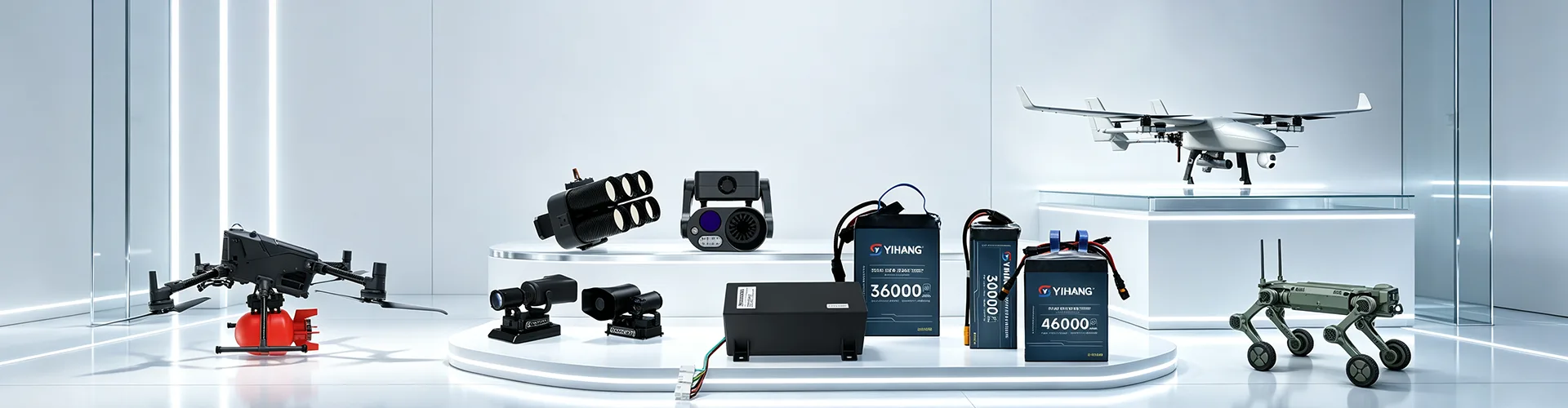
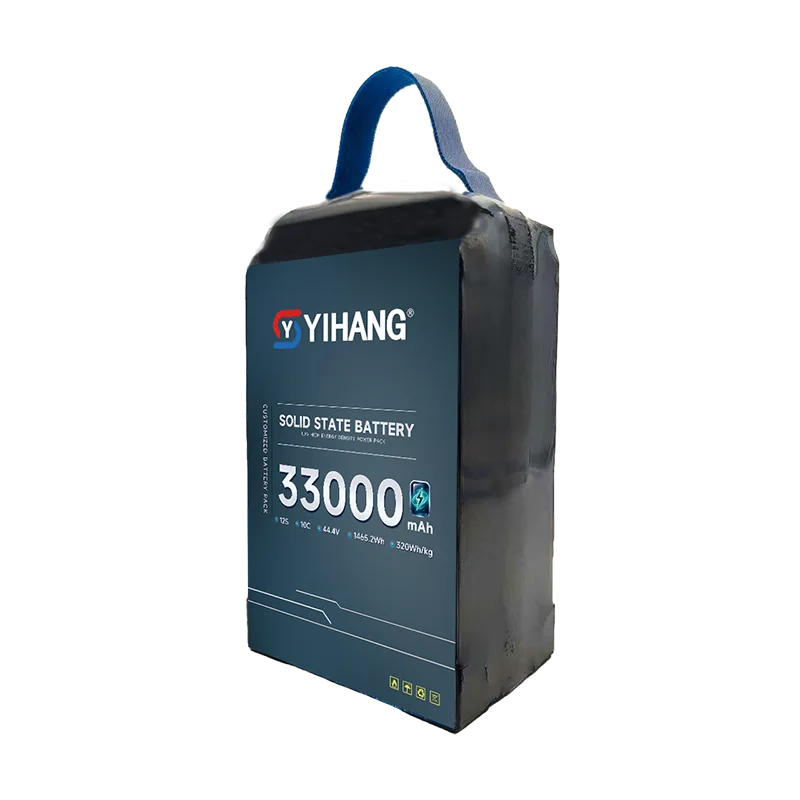
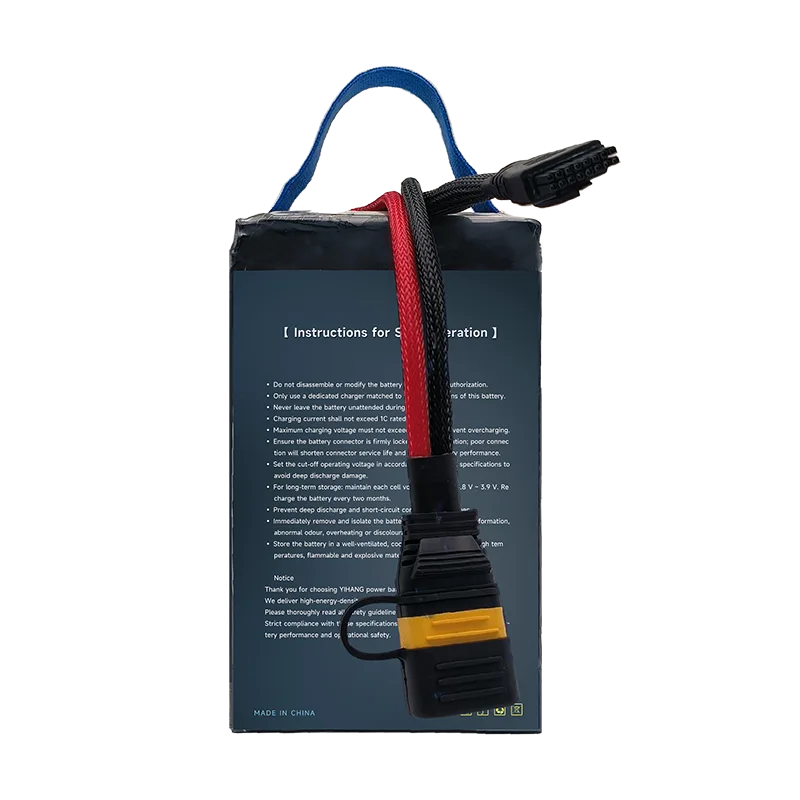
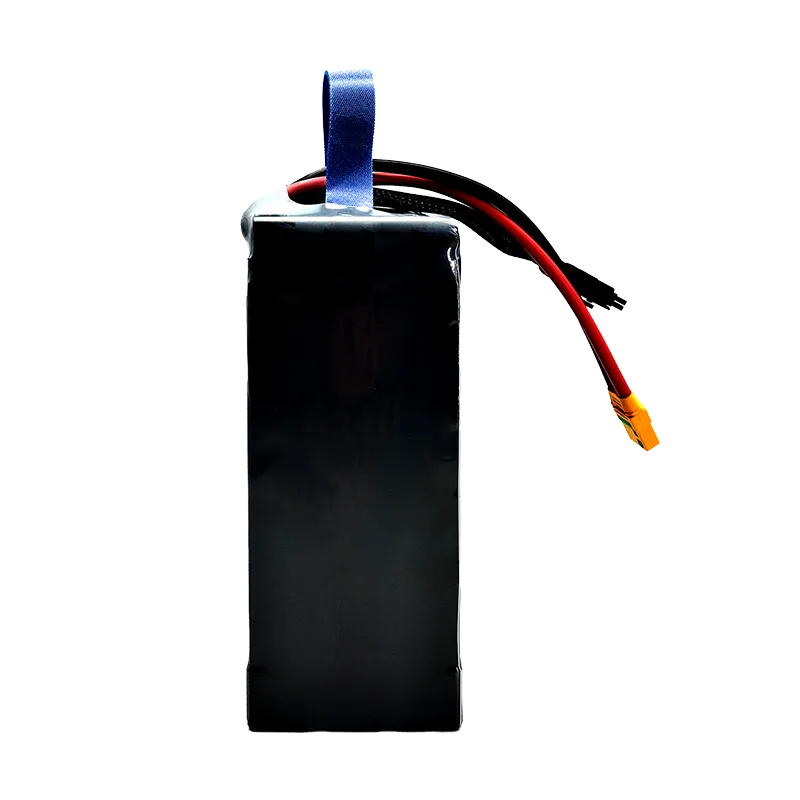
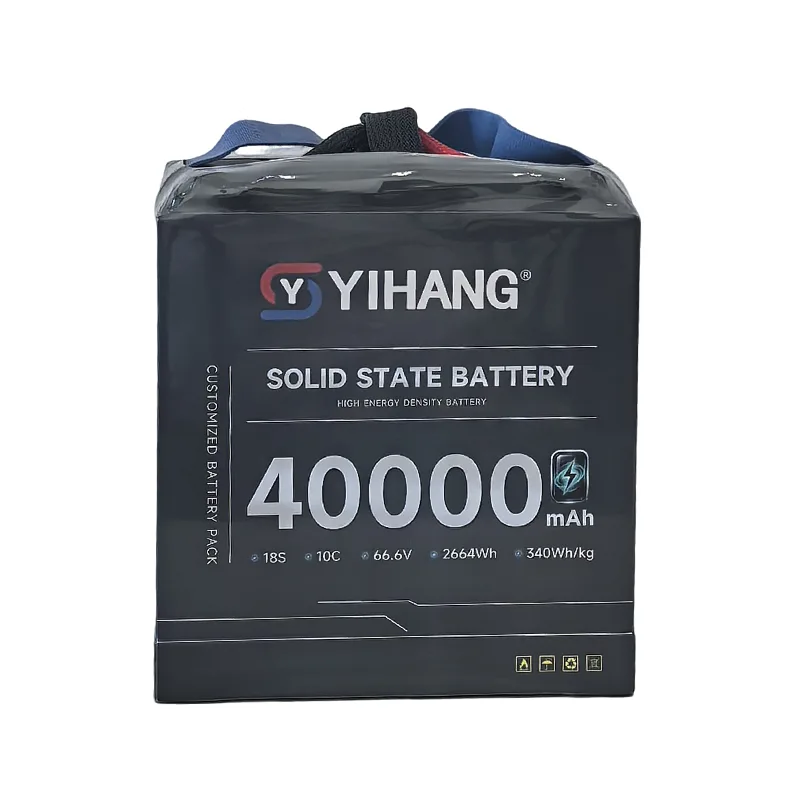
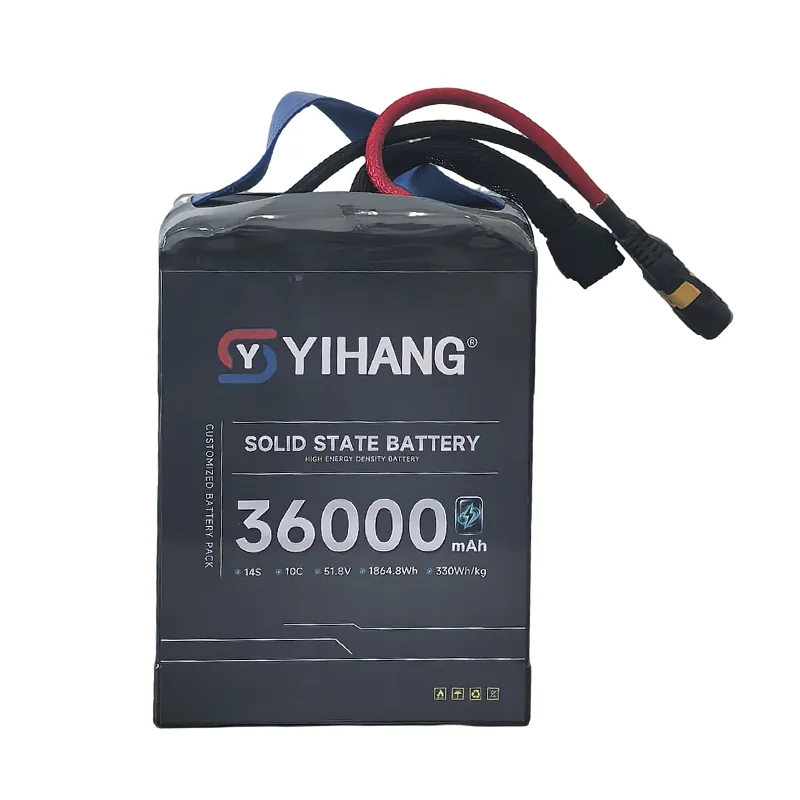
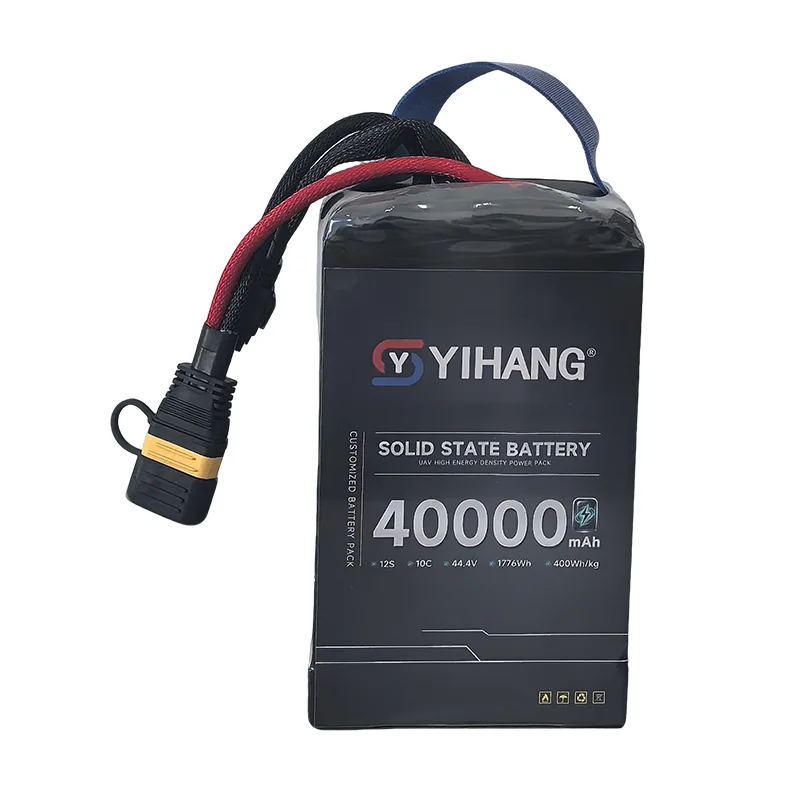
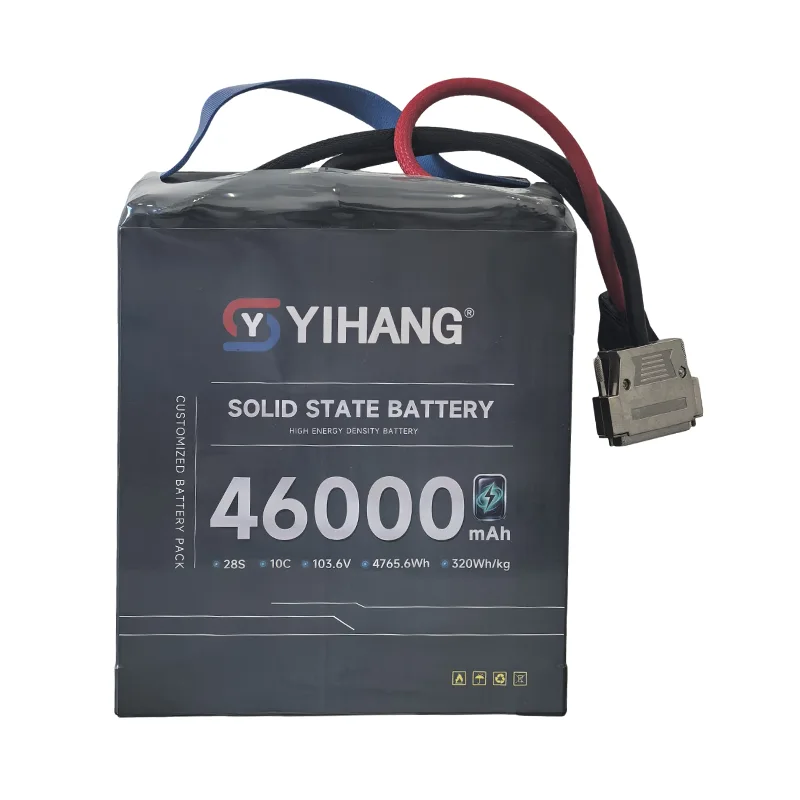
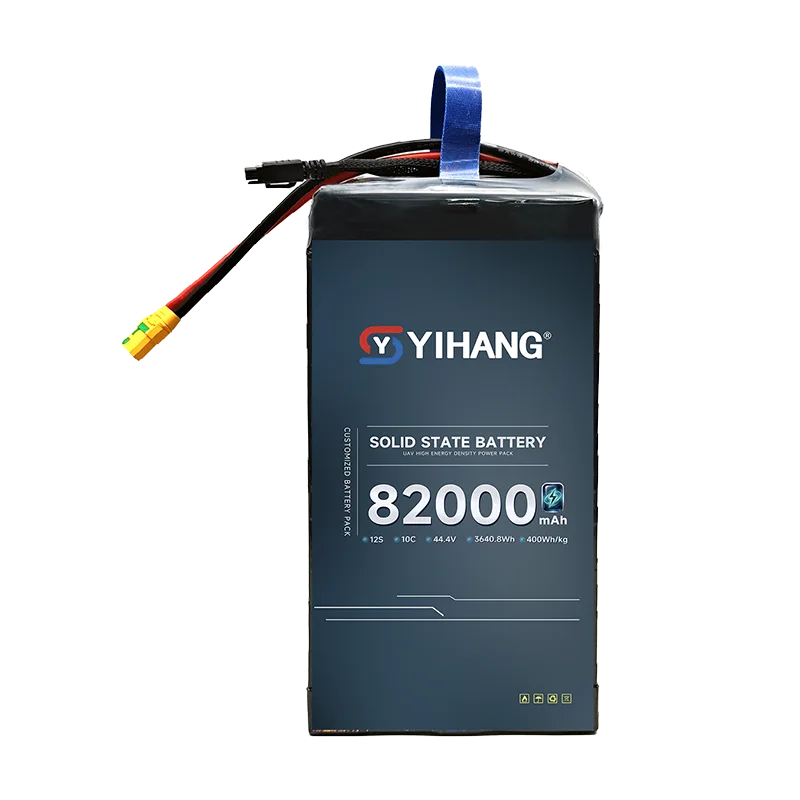
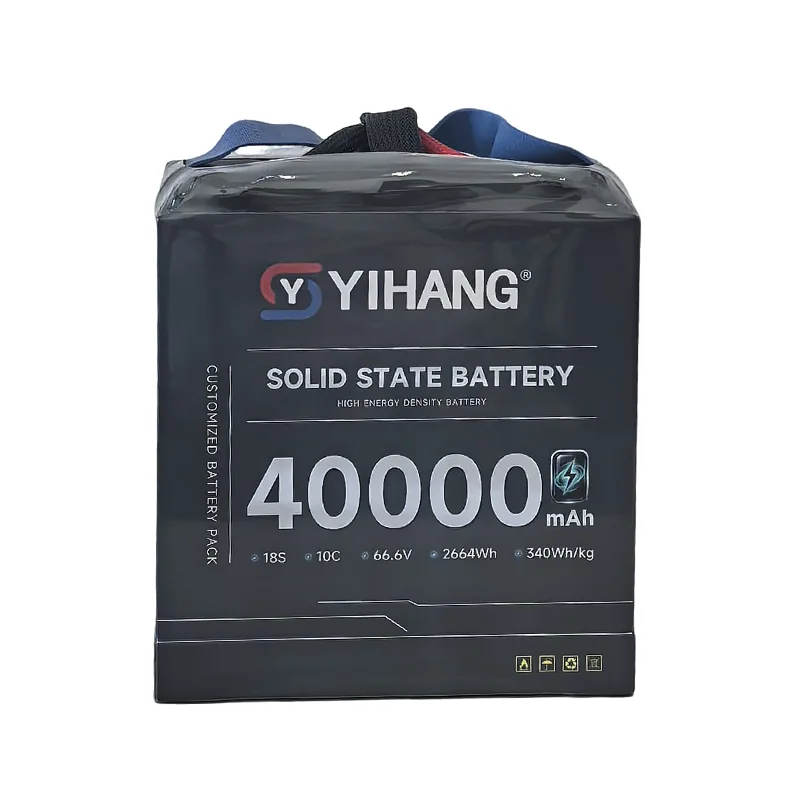
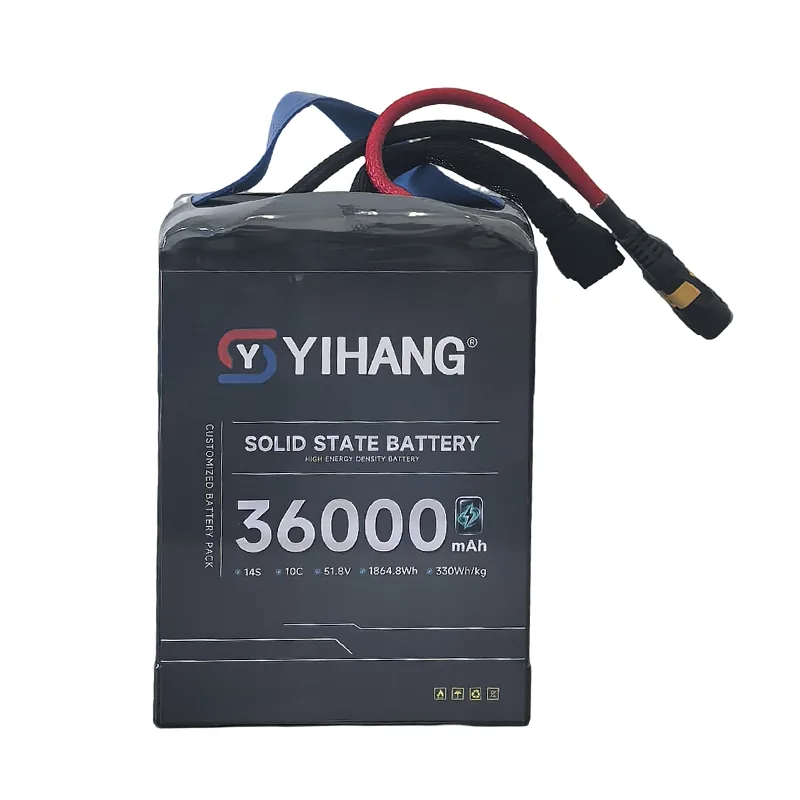
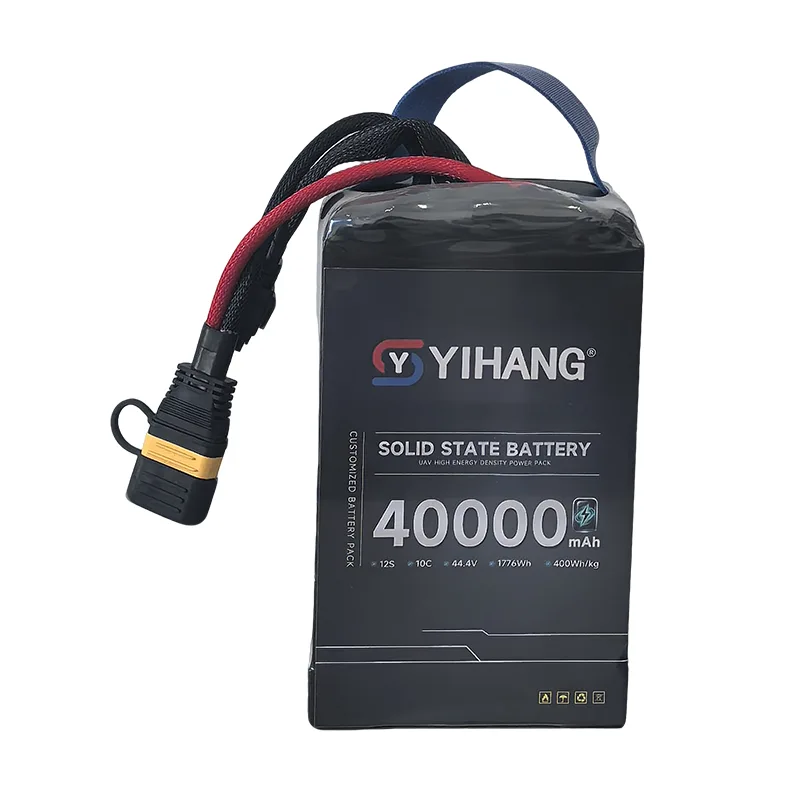
YIHANG factory provides the High-Energy-Density Industrial Drone Battery for UAVs where flight endurance and battery weight need to be balanced. Using solid-state lithium chemistry, the battery offers a reference energy density of 250–400Wh/kg, with configurable voltage, capacity, dimensions, connectors and BMS functions for agricultural, inspection, mapping and cargo UAVs.
Send Inquiry
Product Description
YIHANG, a China manufacturer and supplier, provides the High-Energy-Density Industrial Drone Battery for UAV platforms where battery weight, usable energy and operating conditions need to be considered together. The battery uses solid-state lithium chemistry with a reference energy density of 250–400Wh/kg, while voltage, capacity, dimensions, connectors and BMS functions can be configured for different UAV systems.
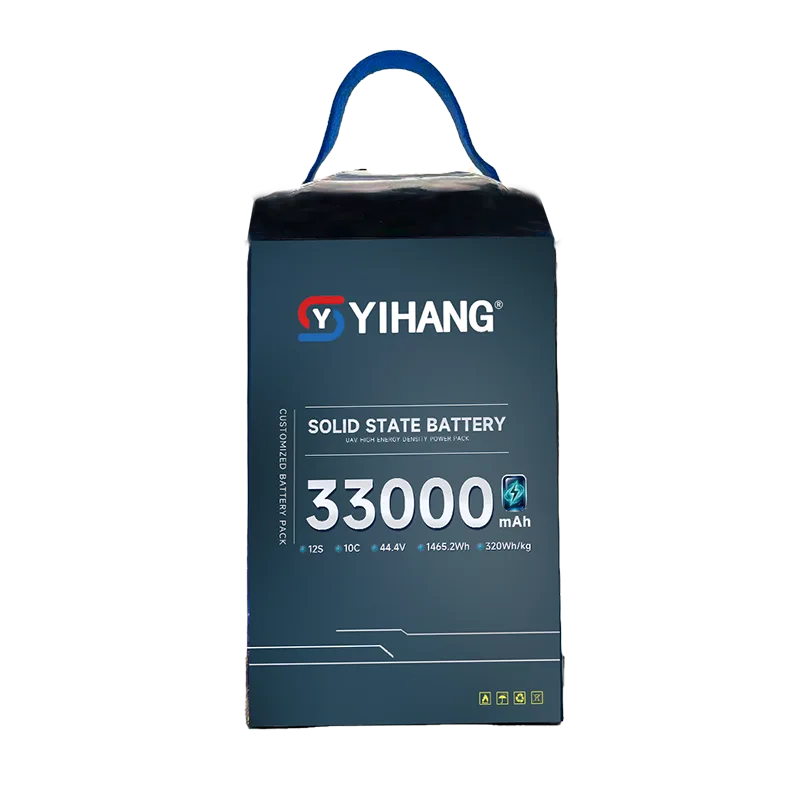
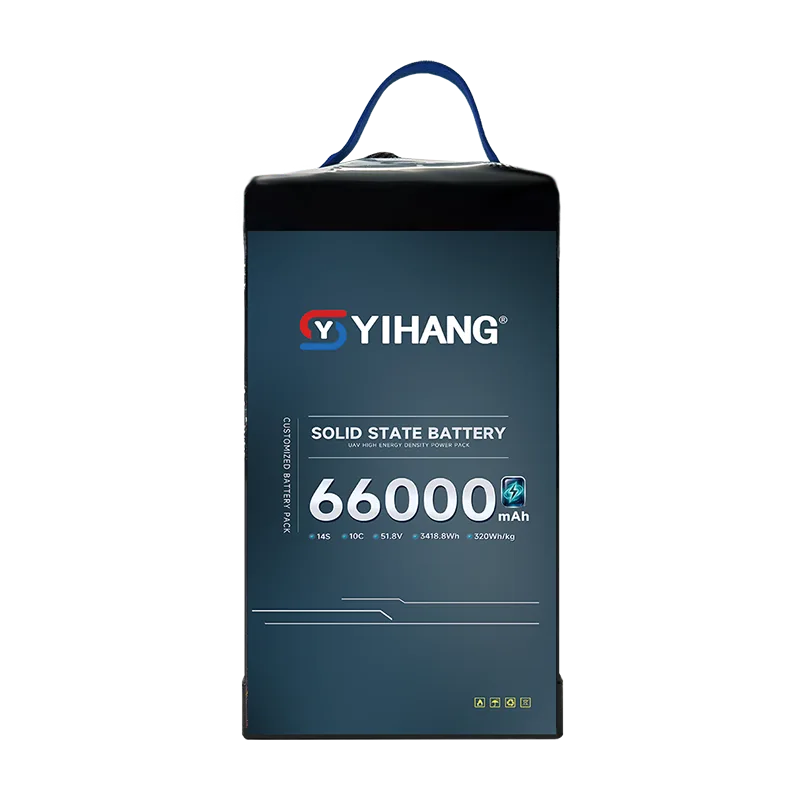
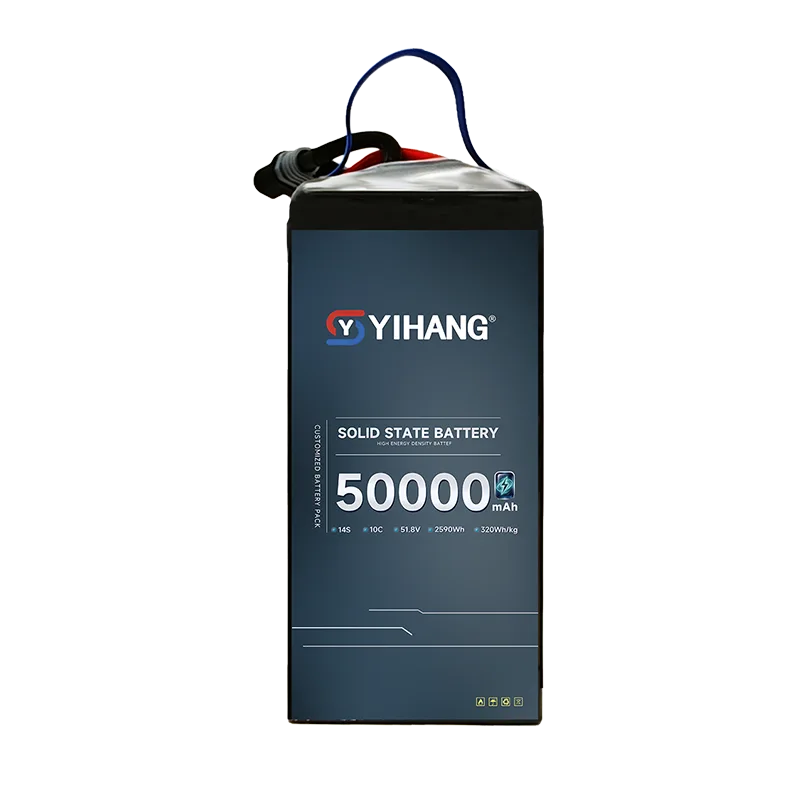
The battery is designed for applications including agricultural spraying, infrastructure inspection, surveying, mapping and cargo transport. Reference specifications include an operating temperature range of -20°C to +60°C and 1000–1200 cycles to 80% initial capacity under the stated test conditions. Available series configurations include 6S, 12S, 14S, 16S, 18S, 24S and 28S.
Technical Specifications
|
Item |
Specification |
|
Product Name |
High-Energy-Density Industrial Drone Battery |
|
Battery Chemistry |
Solid-state lithium |
|
Energy Density |
250–400Wh/kg (customizable) |
|
Voltage Configuration |
6S / 12S / 14S / 16S / 18S / 24S / 28S (customizable) |
|
Capacity Range |
Fully customizable based on requirements |
|
Cycle Life |
1000–1200 cycles (to 80% initial capacity, tested at 25°C±2°C, 1C charge / 1C discharge, 100% DOD) |
|
Operating Temperature |
-20°C to +60°C |
|
Safety Features |
Reduced thermal runaway risk, puncture-resistant cells |
|
BMS Options |
Full protection, RS485 communication, real-time monitoring |
|
Certifications |
UN38.3, MSDS, full export documentation |
|
Custom Service |
Voltage, capacity, size, connectors, BMS logic |
|
Manufacturer |
YIHANG |
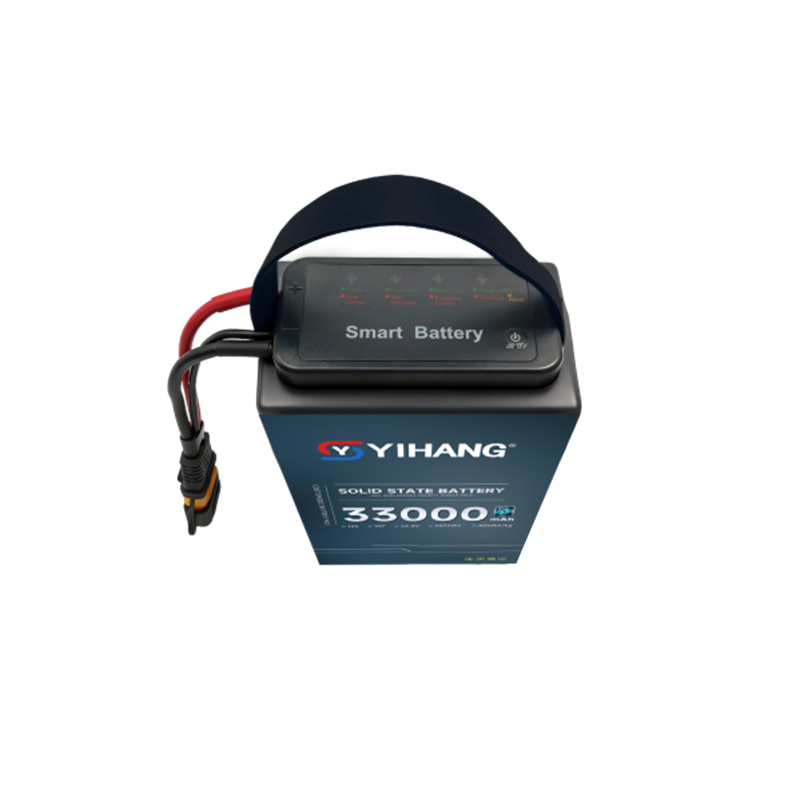
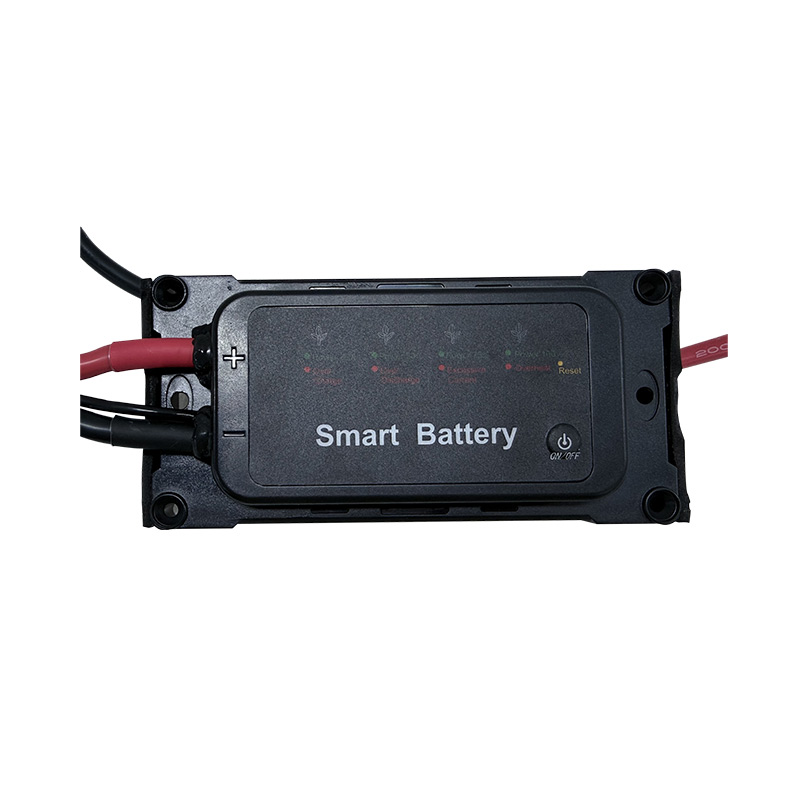
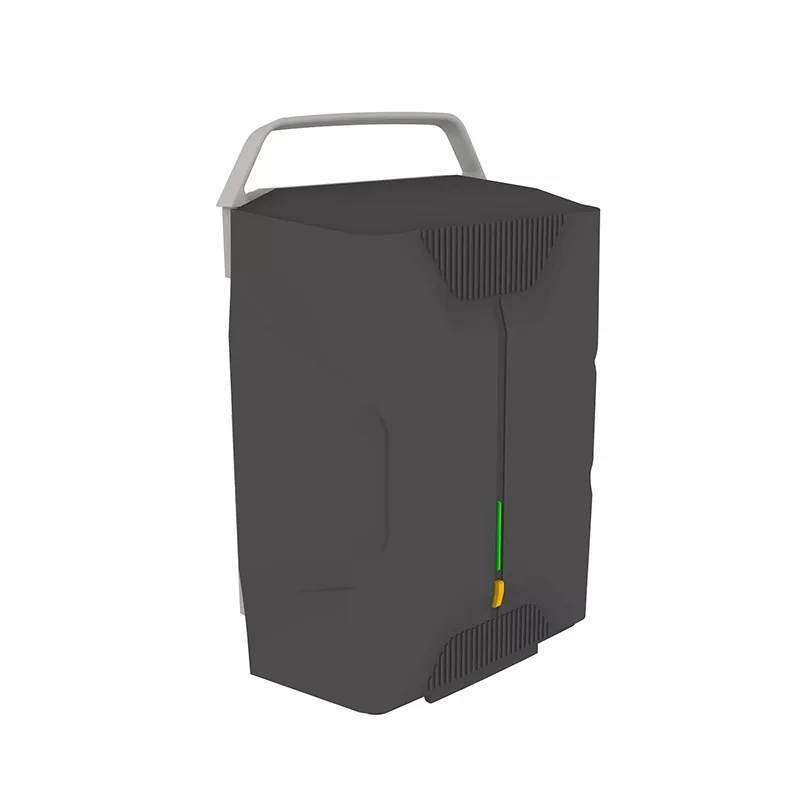
Built-in Smart BMS with LED Indicator Panel — Real-time Monitoring, Multi-layer Protection, and Full Lifecycle Data Management.
|
POUCH CELL OPTIONAL |
||
|
Number |
BMS Function |
Description |
|
1 |
Smart SOC Indication |
Four high-brightness LEDs auto-detect charge/discharge status for real-time SOC display. When powered off, short-press the button; LEDs show SOC for ~2s then turn off. |
|
2 |
Battery Life Reminder |
At preset cycle count, all SOC LEDs turn red for mid-end-life warning; use cautiously |
|
3 |
Smart Charge Alarm |
Monitors charging status in real-time; triggers alarm for over-voltage, over-current and over-temperature. |
|
4 |
Smart Storage |
Activates automatically for long-term idle storage at high SOC; discharges to storage voltage for safe preservation. |
|
5 |
Auto-Sleep |
Auto-sleep power-off when idle: 3-min delay at high SOC, 1-min delay at low SOC to conserve power. |
|
6 |
Firmware upgrade |
Supports firmware upgrade via USB port connected to PC. |
|
7 |
Data Communication |
Supports USB-Serial, WIFI and CAN interfaces. Retrieve real‑time battery data (voltage, current, cycle count) via USB-Serial/WIFI; CAN interfaces with flight controller for data exchange. |
|
8 |
Battery Logging |
Stores full-life battery logs including cell voltage, current, temperature, cycle count and fault events; viewable via PC or mobile device. |
|
9 |
Smart Balancing |
Built-in auto balancing; manual trigger available for large cell voltage gap, keeps cell voltage difference within 20mV. |
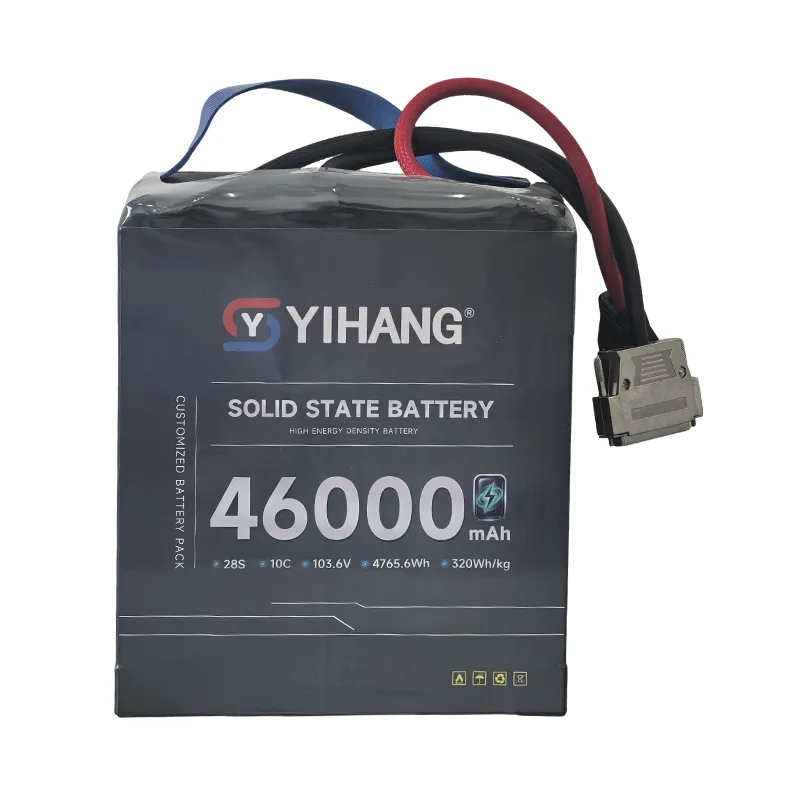
Energy Density and UAV Integration
For industrial UAVs, battery selection involves more than nominal capacity. Battery weight, energy density, discharge requirements, installation space, operating temperature and cycle life all affect how the power system fits the aircraft.
The 250–400Wh/kg reference energy density is intended for platforms where reducing battery weight while maintaining usable energy is important. The final performance depends on the selected cell configuration, pack structure and operating conditions.
YIHANG can configure the battery around the target UAV's motors, ESC, payload, battery compartment and mission requirements. Series configuration, capacity, dimensions, connectors and BMS functions can be adjusted where required.
Key Configuration Factors
The final battery configuration should be determined from the aircraft's electrical and mechanical requirements rather than from capacity alone.
Applications
Agricultural Spraying Drones: The high-energy-density configuration can be considered when battery weight and available energy need to be balanced for agricultural UAVs carrying operational payloads.
Power-Line and Infrastructure Inspection: The battery can be configured for UAV platforms used for inspection missions where battery capacity, pack weight, and monitoring functions are important design parameters.
Surveying and Mapping UAVs: The high specific energy configuration is suitable for UAV systems where extending available energy without proportionally increasing battery weight is an important consideration.
Cargo and Transport UAVs: Multiple voltage and capacity configurations allow the battery to be adapted to different industrial UAV power systems and installation requirements.
Key Advantages
1. High Energy Density
The battery supports an energy density range of 250–400Wh/kg. Higher specific energy can provide more stored energy within a given battery-weight range, although actual usable flight time depends on the aircraft's power consumption, payload, flight conditions, and complete battery configuration.
2. Multiple Voltage Configurations
Reference configurations include 6S, 12S, 14S, 16S, 18S, 24S, and 28S. This range allows the battery platform to be considered for different UAV electrical architectures rather than being limited to one system voltage.
3. Long Cycle-Life Reference
The battery is specified for 1000–1200 cycles to 80% of initial capacity under the stated test conditions of 25°C±2°C, 1C charge, 1C discharge, and 100% DOD. Actual service life varies according to operating and storage conditions.
4. Wide Operating Temperature Range
The specified operating temperature range is -20°C to +60°C. This provides a defined temperature range for system design, while actual battery performance at the limits depends on the selected configuration and operating load.
5. Optional Smart BMS
The battery can be equipped with BMS functions including protection and real-time monitoring. RS485 communication is available according to the selected configuration, allowing compatible systems to obtain battery status information.
Why Choose YIHANG
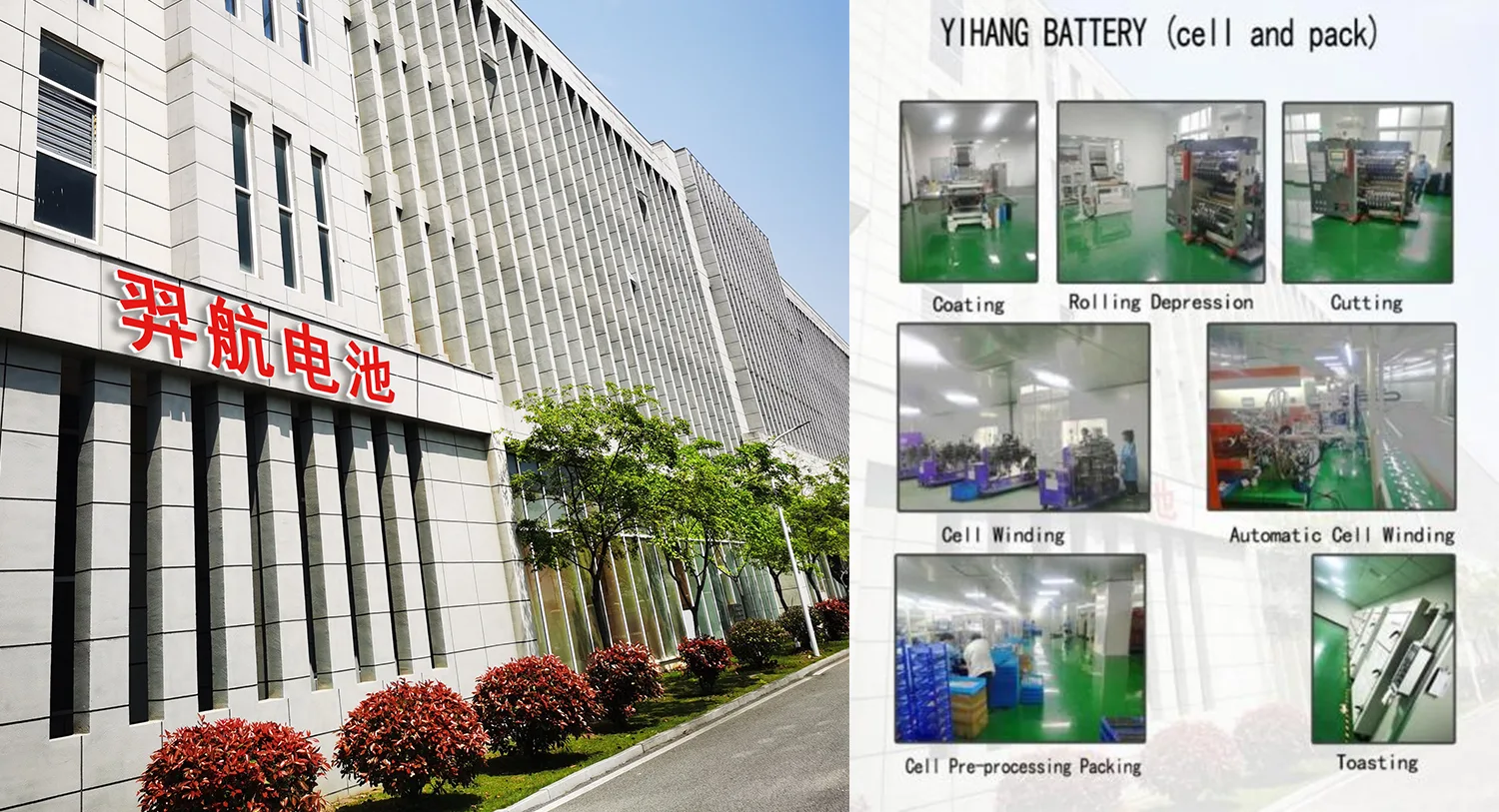
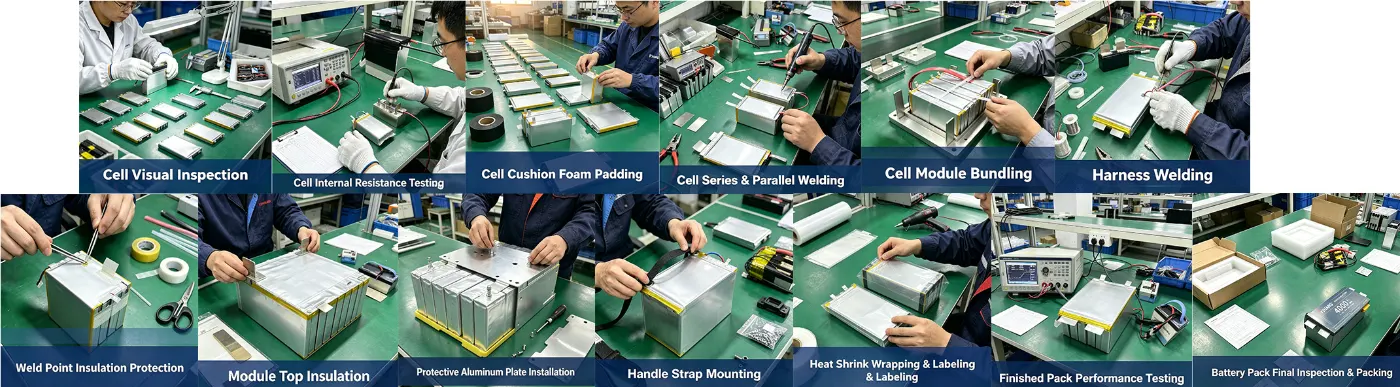
YIHANG develops industrial UAV battery systems around the actual electrical and mechanical requirements of the aircraft. Rather than limiting the battery to a single fixed configuration, the available platform supports different series configurations, energy-density levels, capacities, and BMS options.
For high-energy-density applications, battery design involves balancing stored energy, pack weight, discharge requirements, and expected operating conditions. YIHANG can adjust the battery configuration according to the intended UAV platform instead of using the same specification across different aircraft.
YIHANG also provides customization of battery dimensions, connectors, and BMS functions. For systems requiring battery communication, RS485 monitoring can be integrated according to the selected configuration.
Battery Safety and Management
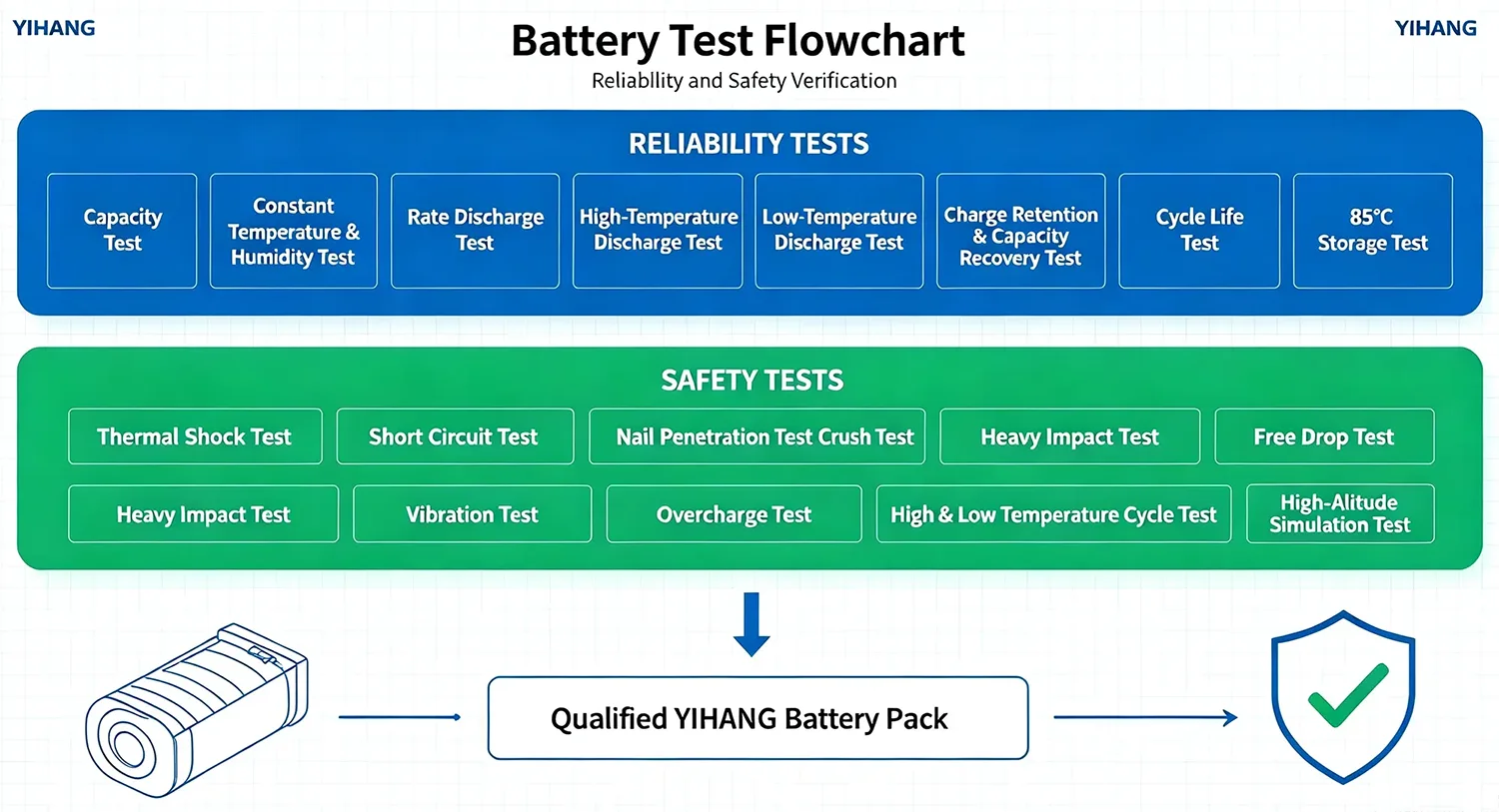
Safety management is an important part of an industrial UAV battery, particularly when the pack operates under repeated charging and discharging cycles. The listed safety design includes reduced thermal runaway risk and puncture-resistant cells.
The optional BMS adds battery-level management functions such as protection and monitoring. Depending on the configuration, the system can provide information through RS485 communication for integration with compatible UAV control or monitoring systems.
As with other lithium battery systems, actual safety performance depends on cell selection, pack construction, charging conditions, discharge current, mechanical protection, temperature, and correct system integration.
Customization for Industrial UAV Platforms
A high-energy-density battery still needs to match the aircraft's electrical and mechanical design. Key parameters include system voltage, required capacity, battery weight, available installation space, current requirements, connector type, communication interface, and operating temperature.
YIHANG supports customization of these parameters for different industrial UAV platforms. The battery configuration can be adjusted before production so that the final pack is matched to the intended aircraft rather than selected only by nominal capacity.
FAQ
Q1: What is a high-energy-density industrial drone battery?
A high-energy-density industrial drone battery is designed to provide a relatively high amount of stored energy for its battery weight. The YIHANG battery uses solid-state lithium chemistry and offers a listed energy density of 250–400Wh/kg, with multiple voltage configurations and customizable capacity.
Q2: How does energy density affect industrial drone performance?
Energy density describes how much energy a battery can store relative to its weight. A higher specific energy can allow more stored energy within a similar battery-weight range, but actual flight performance also depends on aircraft weight, propulsion efficiency, payload, aerodynamics, flight conditions, and battery discharge characteristics.
Q3: Can this battery replace a conventional LiPo drone battery?
Compatibility depends on the UAV's electrical system, mechanical battery space, current requirements, charger, and control electronics. The voltage configuration, capacity, connector, and BMS requirements should be checked before replacing an existing battery pack.
Q4: What voltage configurations are available?
The reference configurations include 6S, 12S, 14S, 16S, 18S, 24S, and 28S. Other requirements can be discussed depending on the target UAV's electrical architecture.
Q5: How long does the battery last?
The stated cycle-life range is 1000–1200 cycles to 80% initial capacity under laboratory test conditions of 25°C±2°C, 1C charging, 1C discharging, and 100% DOD. Actual cycle life depends on charging conditions, discharge rate, temperature, storage, and depth of discharge.
Q6: Can YIHANG customize the battery dimensions and connectors?
Yes. YIHANG supports customization of voltage, capacity, dimensions, connectors, and BMS logic. The final configuration can be developed according to the UAV's battery compartment and electrical requirements.
Q7: Is an intelligent BMS available?
Yes. BMS options include battery protection, real-time monitoring, and RS485 communication. The available functions depend on the selected battery configuration and the requirements of the target UAV system.
Q8: What documents are available for international shipment?
The listed documentation includes UN38.3, MSDS, and full export documentation for applicable battery configurations and shipments. Additional documentation requirements may depend on the destination market and transportation method.
Hot Tags: High-Energy-Density Industrial Drone Battery
Related Category
Send Inquiry
Please Feel free to give your inquiry in the form below. We will reply you in 24 hours.