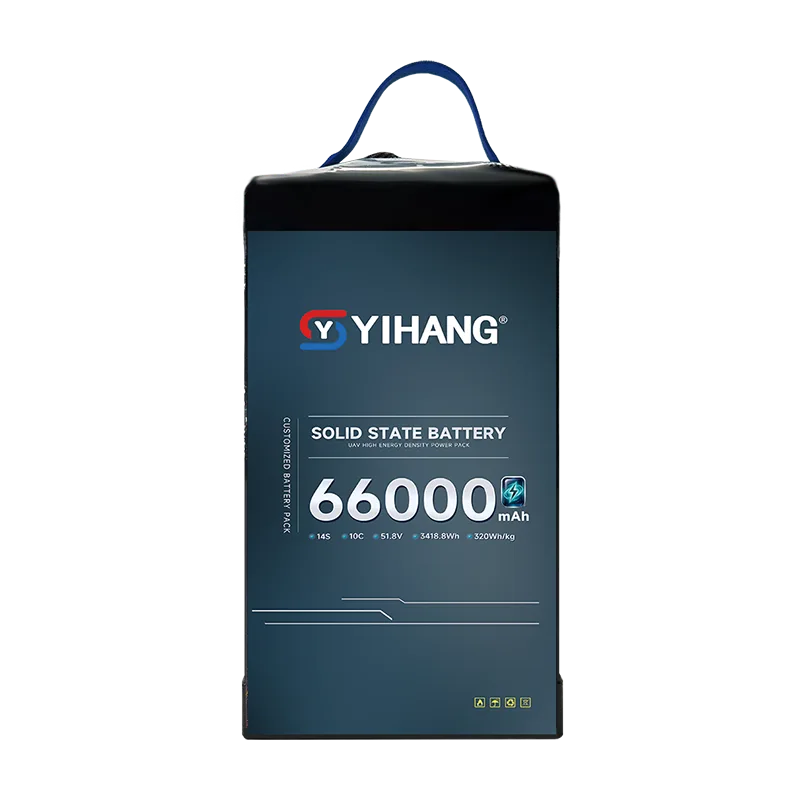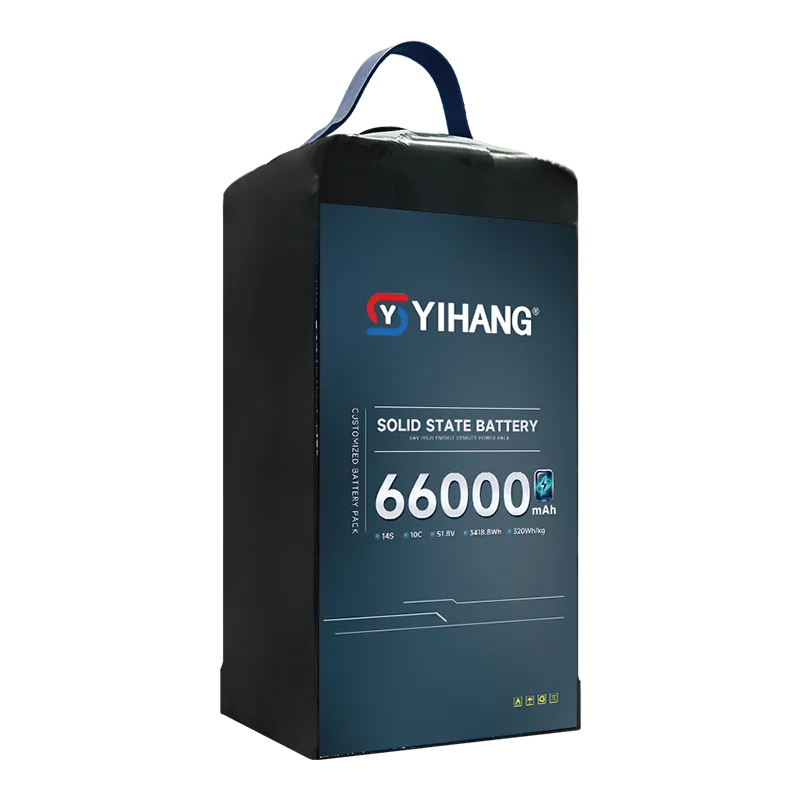
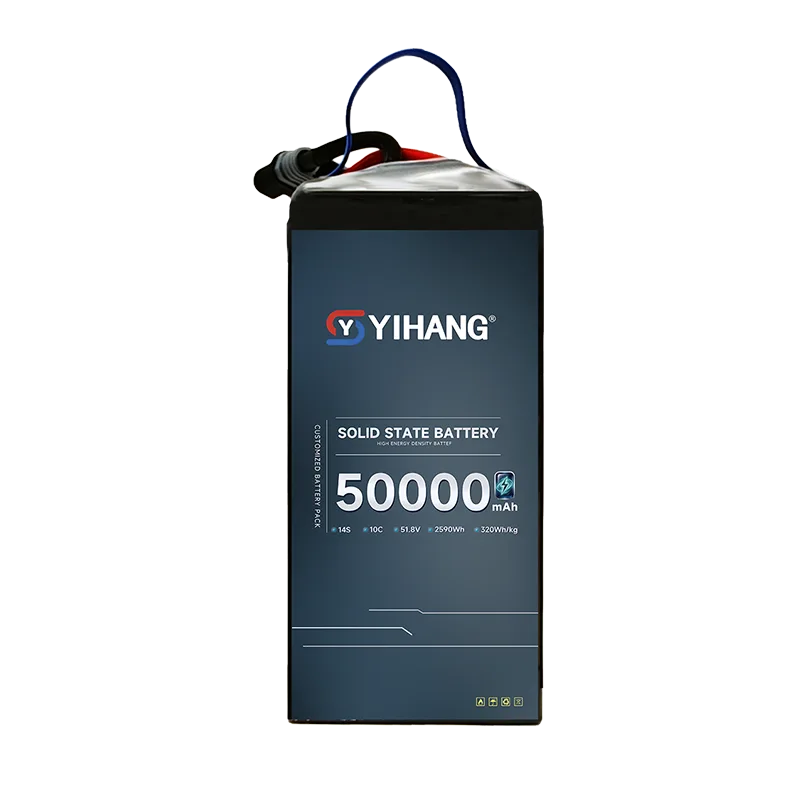
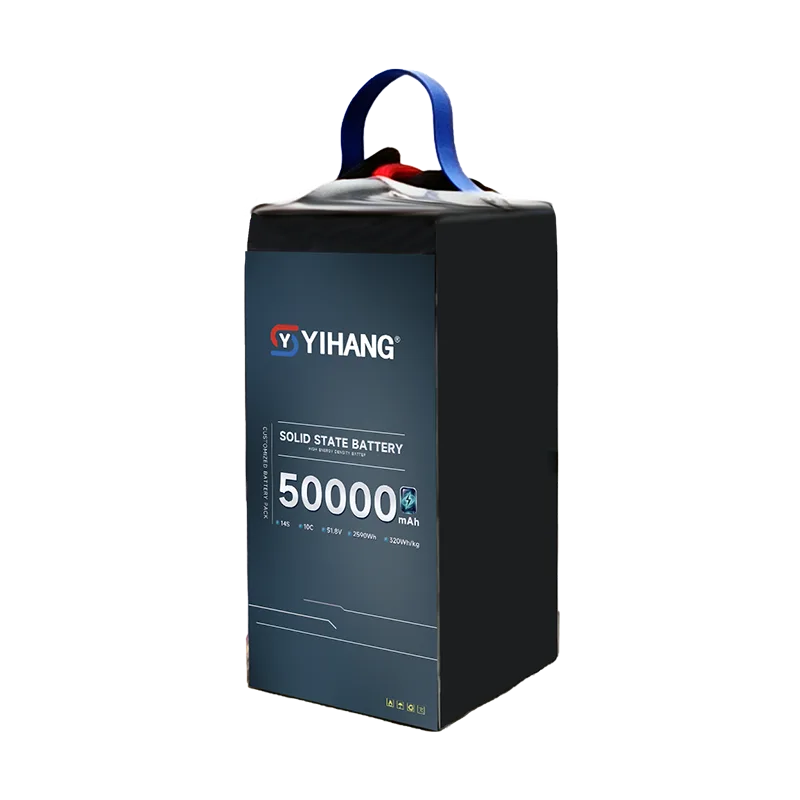
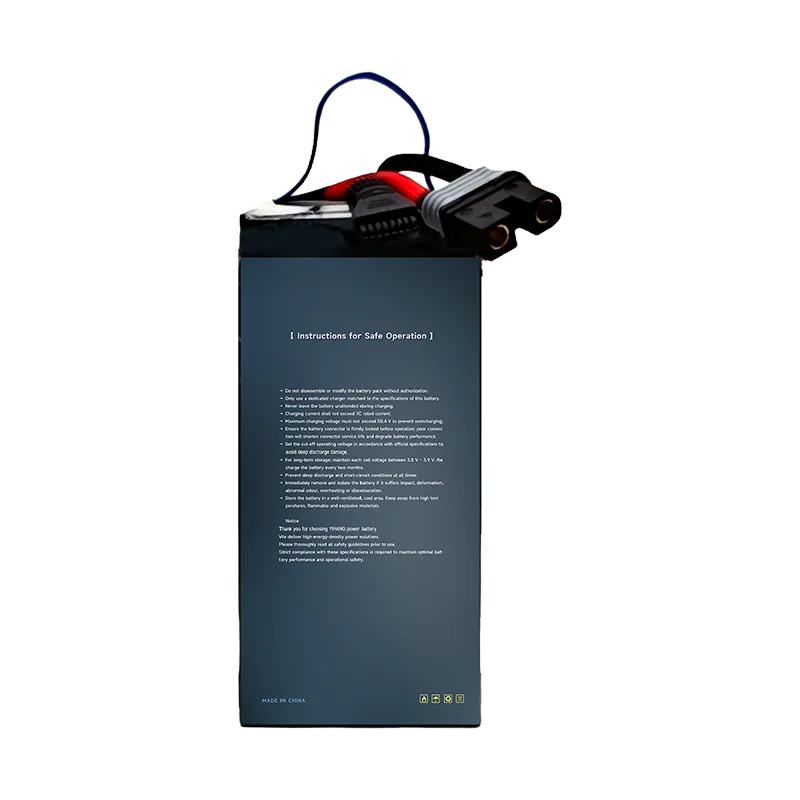
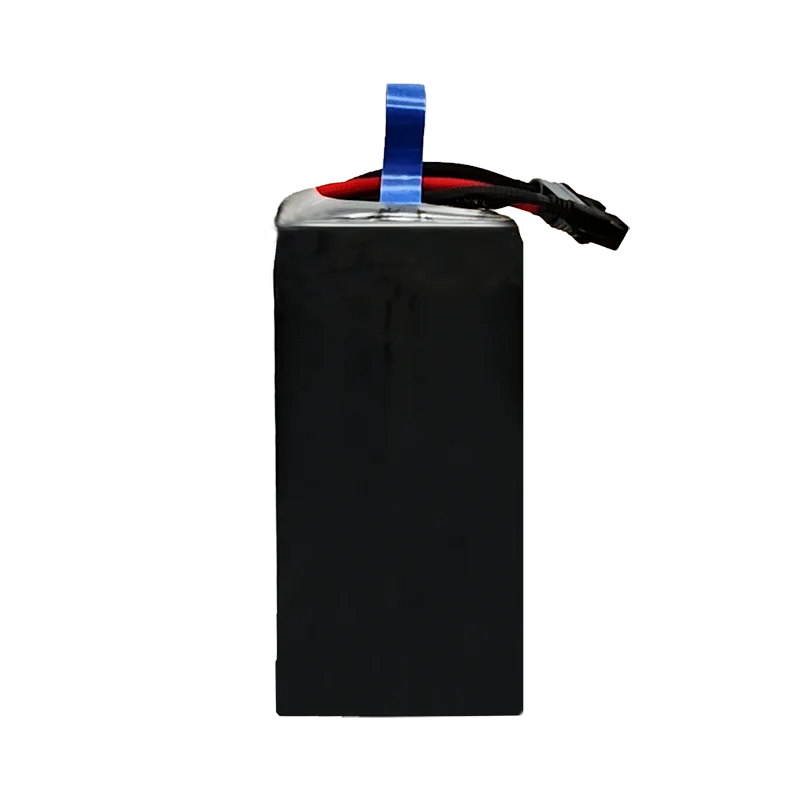
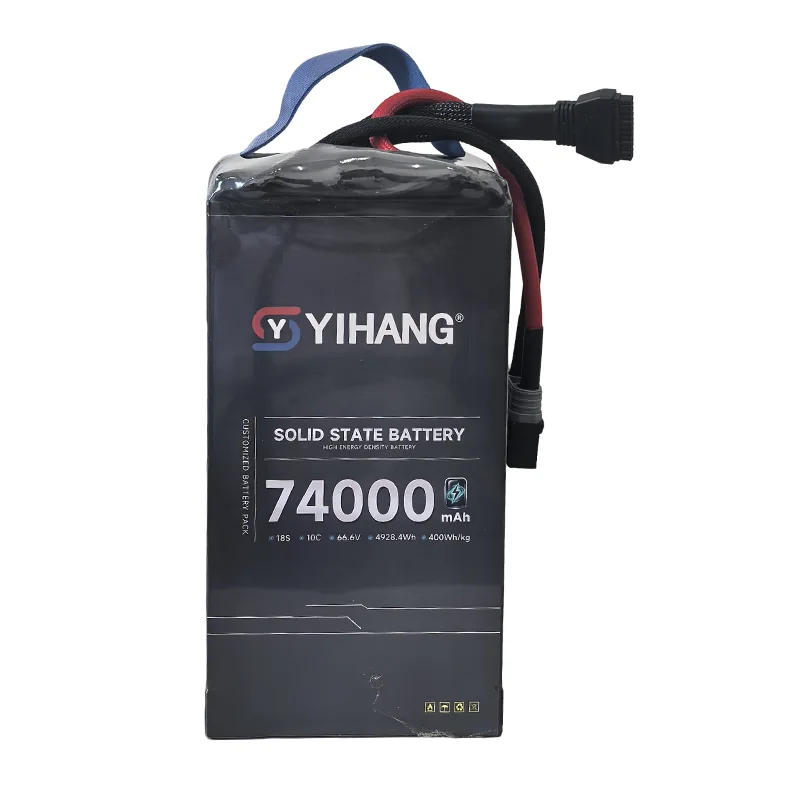
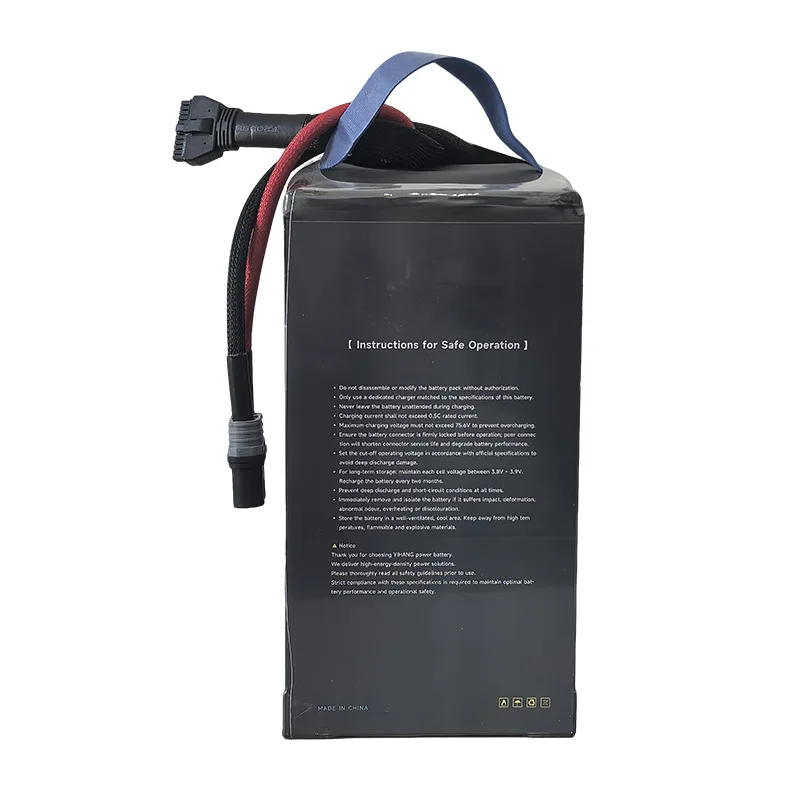
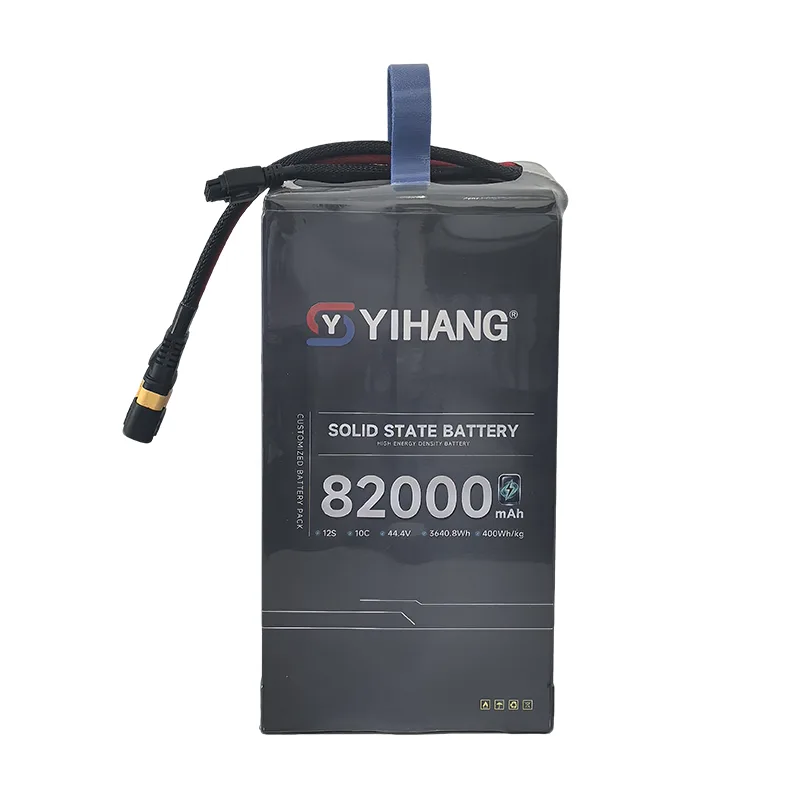
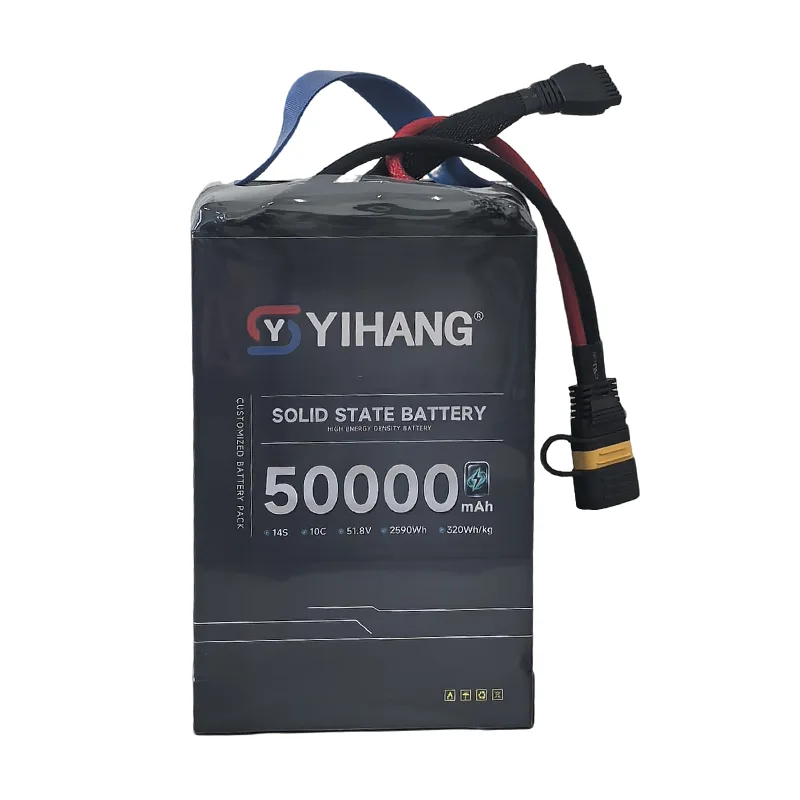
50000mAh Agricultural Spraying Drone Battery
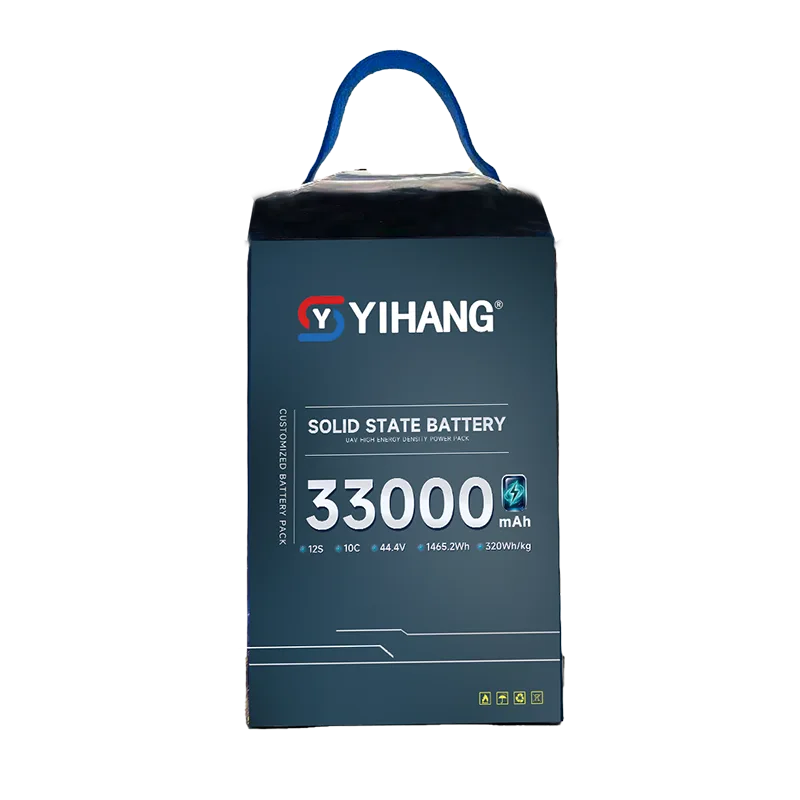
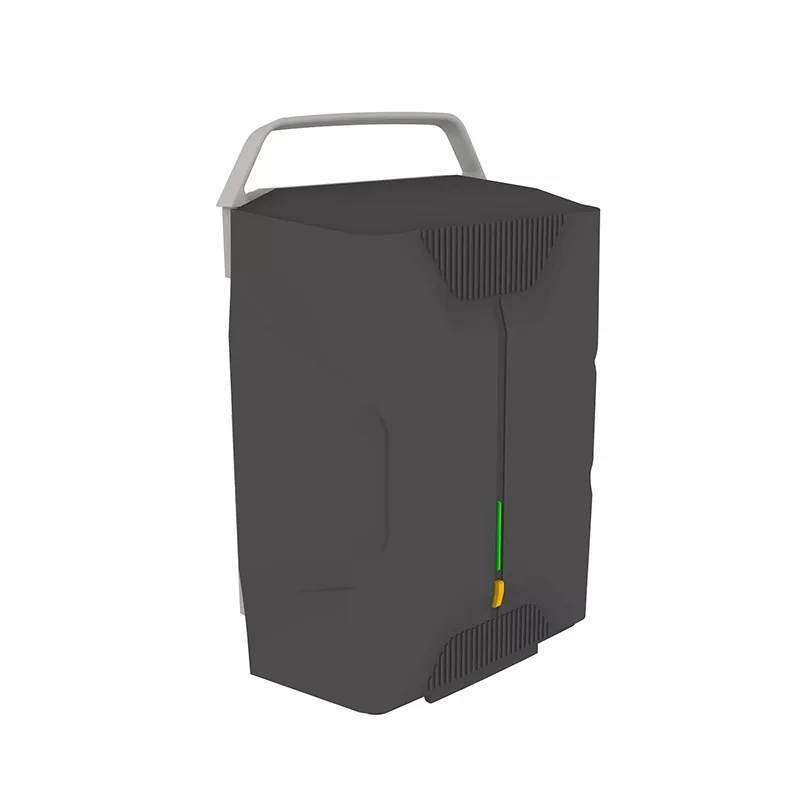
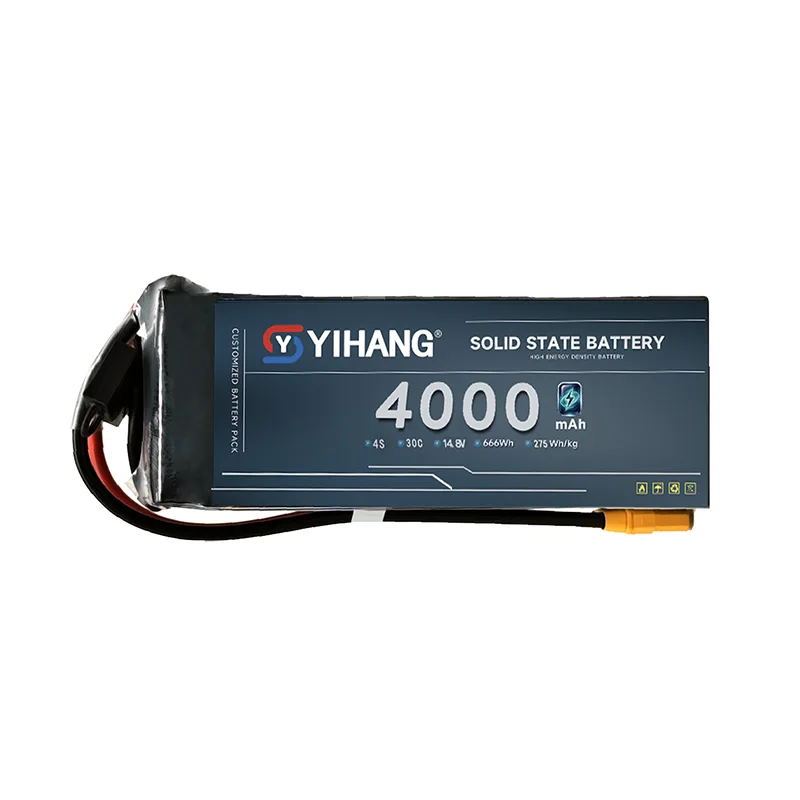
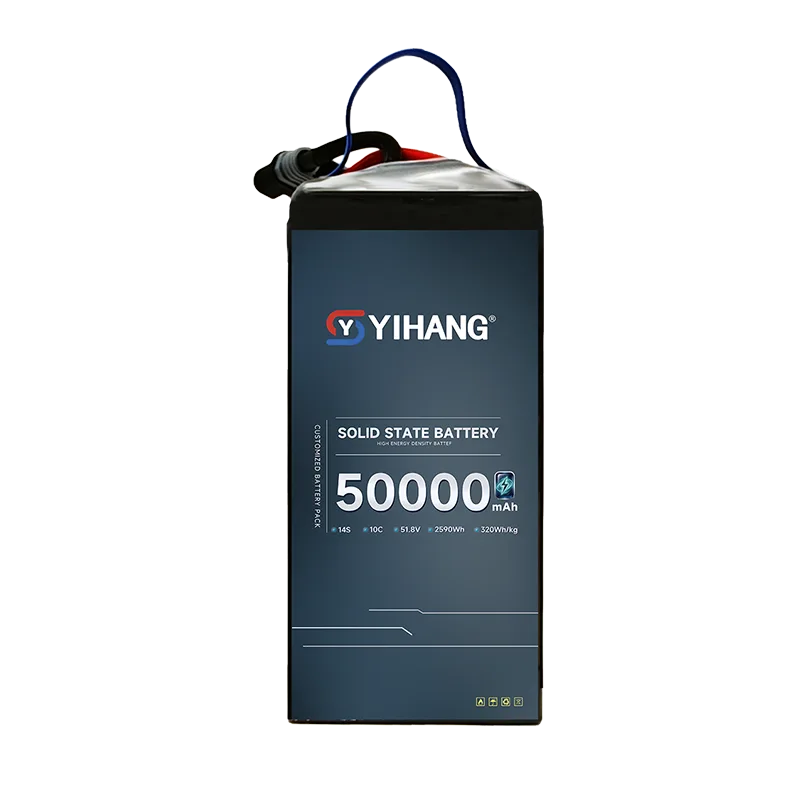
YIHANG, a China supplier, provides the B-50 50000mAh Agricultural Spraying Drone Battery for agricultural UAVs requiring high capacity and high-rate discharge. Using LiPo pouch cells, the B-50 supports a 14S configuration and 10C–25C continuous discharge, with a reference cycle life of 800 cycles to 80% initial capacity under specified test conditions.
Model:B-50
Send Inquiry
Product Description
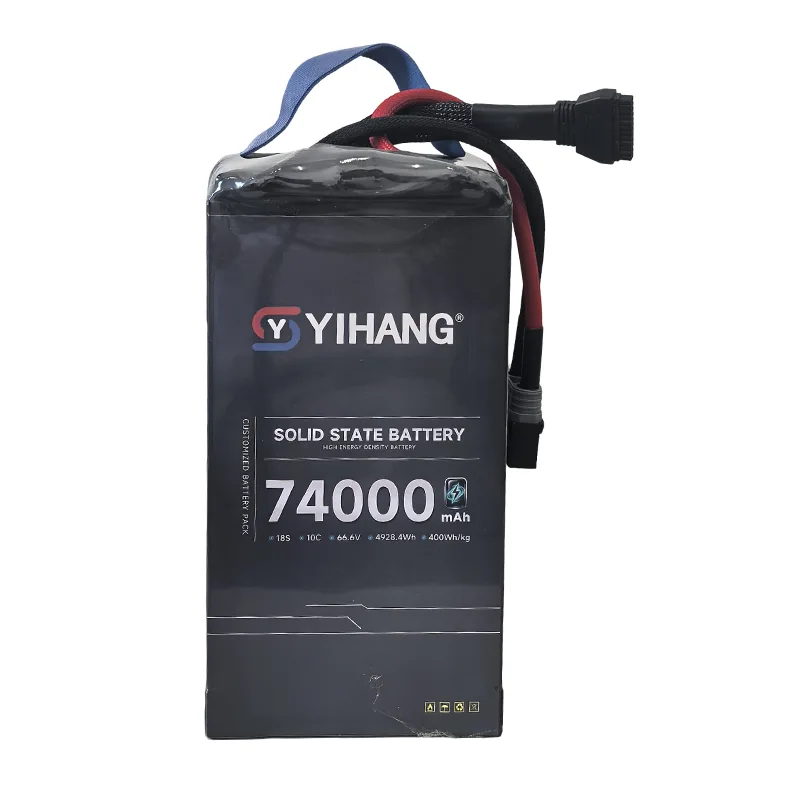
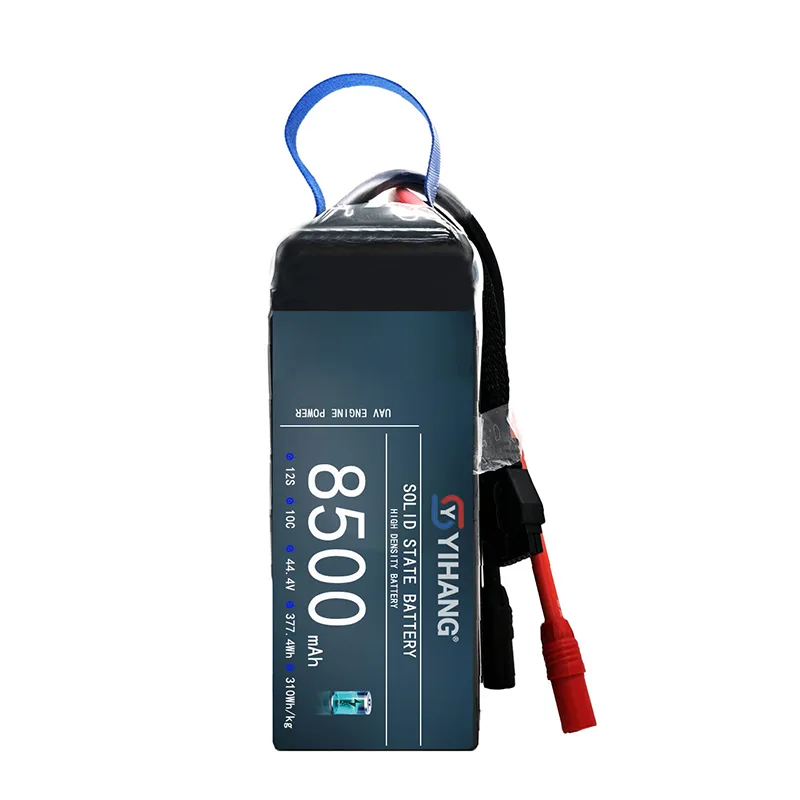
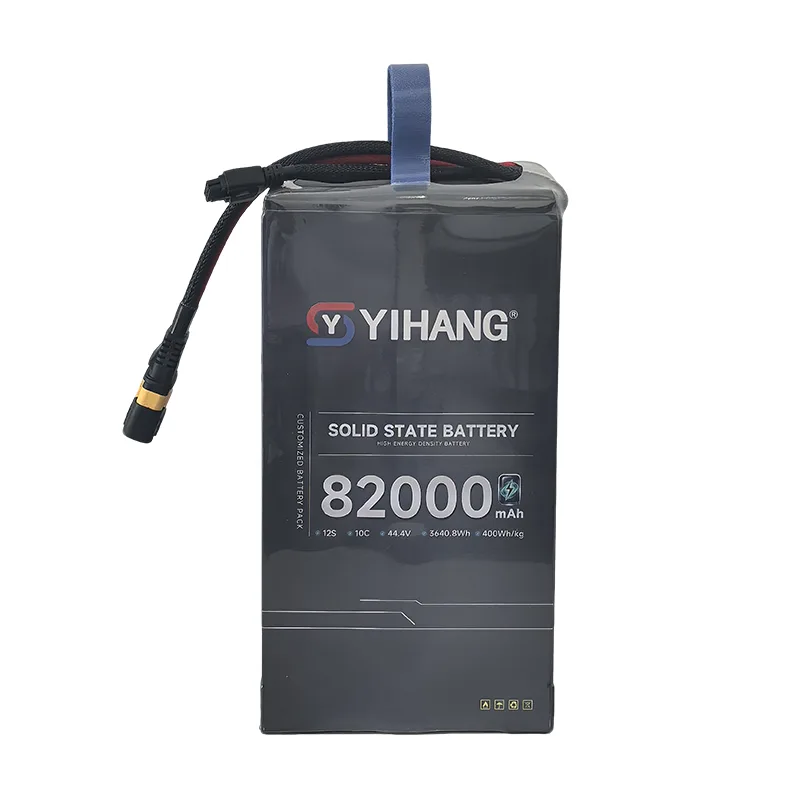
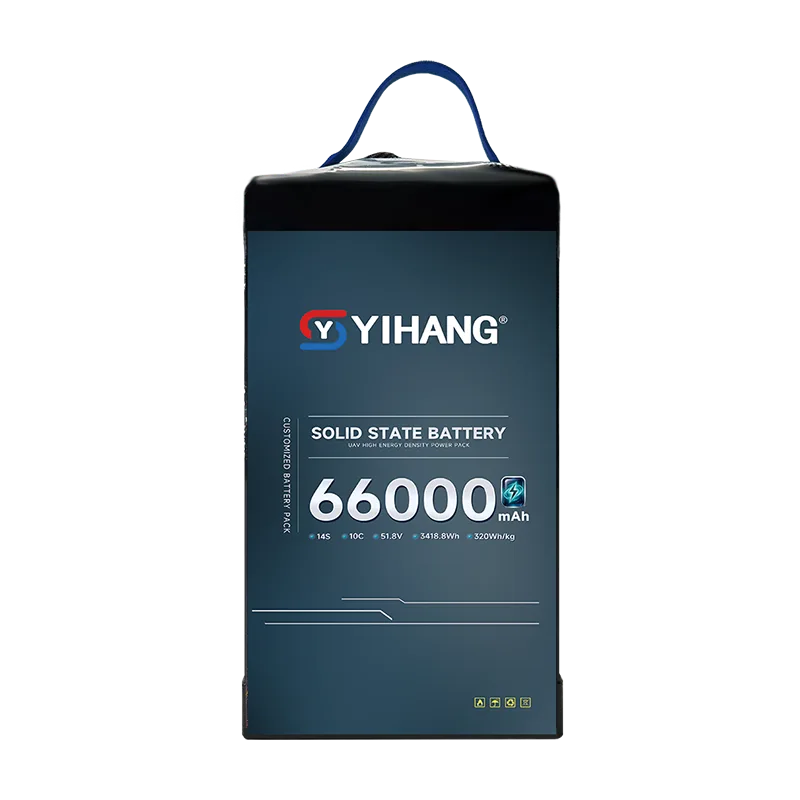
The B-50 50000mAh Agricultural Spraying Drone Battery from YIHANG, a professional drone battery manufacturer from China, is designed for agricultural UAVs that require high capacity and high-rate power output. The battery uses LiPo pouch cells with a 14S configuration and a 10C–25C continuous discharge range, supporting the power demands of loaded takeoff, hovering and spraying operations.
For different spraying drone platforms, YIHANG can customize the battery according to the aircraft's electrical system and available installation space. Available options include voltage, capacity, pack dimensions and connectors, while cell matching and pack assembly are carried out according to the specified battery configuration.
Product Specifications
|
Item |
Specification |
|
Product Type |
YIHANG B-50 50000mAh Agricultural Spraying Drone Battery |
|
Cell Format |
LiPo pouch cell |
|
Common Configuration |
14S (customizable) |
|
Capacity Range |
50000mAh (customizable) |
|
Continuous Discharge Rate |
10C – 25C |
|
Cycle Life |
800 cycles (to 80% initial capacity, tested at 25°C±2°C, 1C charge / 2C discharge, 100% DOD) |
|
Working Temperature |
-20°C to +55°C |
|
Certifications |
UN38.3, MSDS, full export documentation |
|
Custom Service |
Voltage, capacity, size, connectors |
|
Payment Terms |
T/T, L/C |
|
Manufacturer |
YIHANG |
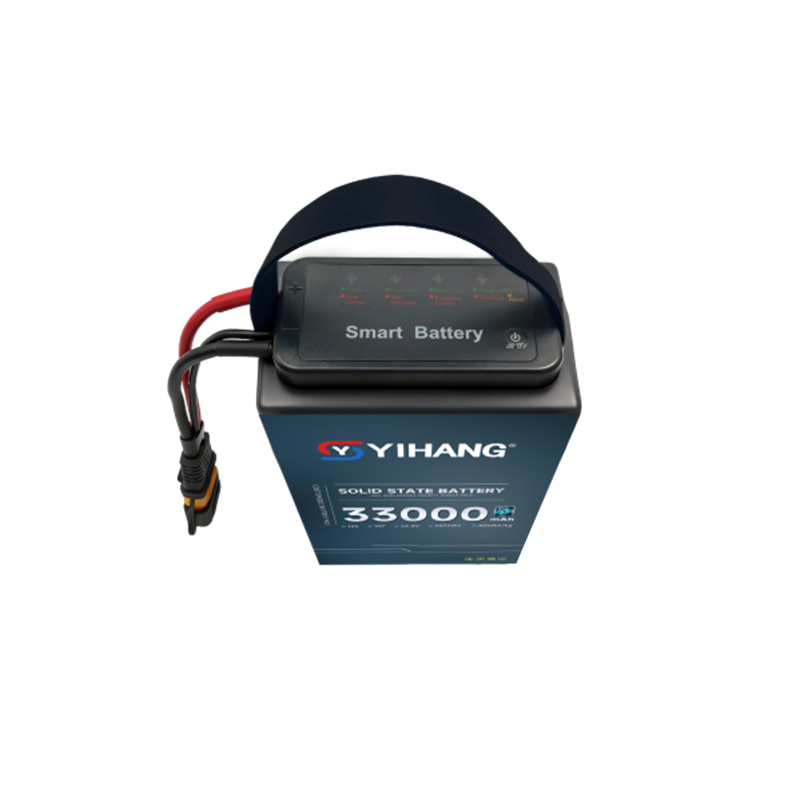
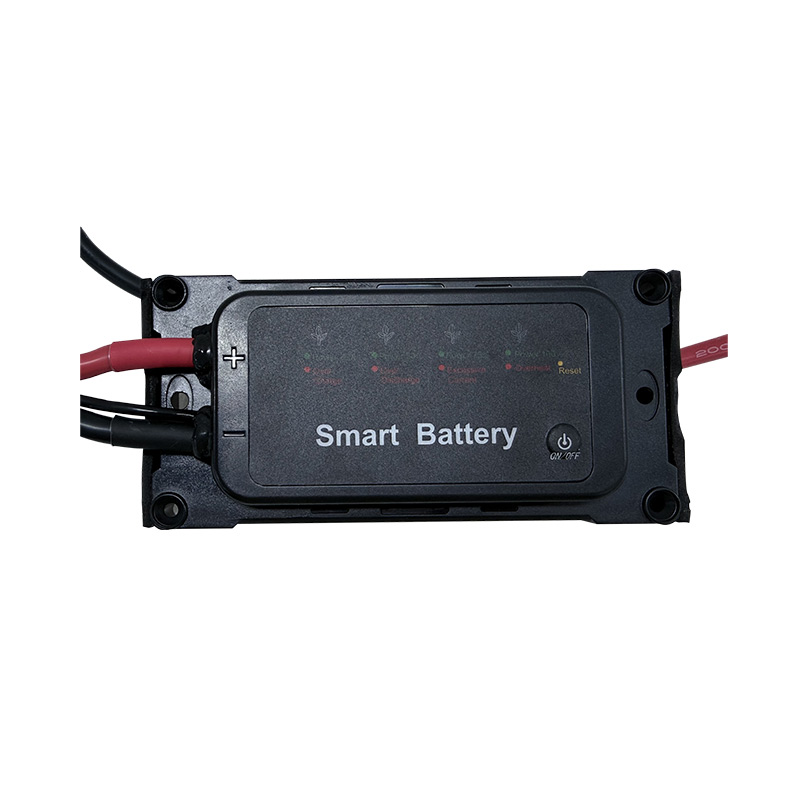
Built-in Smart BMS with LED Indicator Panel — Real-time Monitoring, Multi-layer Protection, and Full Lifecycle Data Management.
|
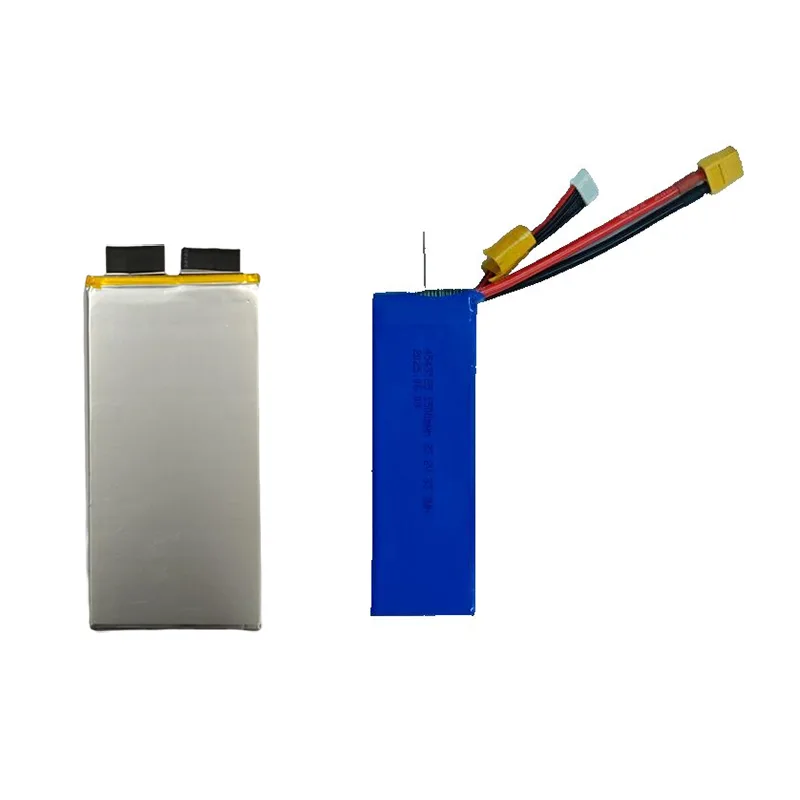
POUCH CELL OPTIONAL |
||
|
Number |
BMS Function |
Description |
|
1 |
Smart SOC Indication |
Four high-brightness LEDs auto-detect charge/discharge status for real-time SOC display. When powered off, short-press the button; LEDs show SOC for ~2s then turn off. |
|
2 |
Battery Life Reminder |
At preset cycle count, all SOC LEDs turn red for mid-end-life warning; use cautiously |
|
3 |
Smart Charge Alarm |
Monitors charging status in real-time; triggers alarm for over-voltage, over-current and over-temperature. |
|
4 |
Smart Storage |
Activates automatically for long-term idle storage at high SOC; discharges to storage voltage for safe preservation. |
|
5 |
Auto-Sleep |
Auto-sleep power-off when idle: 3-min delay at high SOC, 1-min delay at low SOC to conserve power. |
|
6 |
Firmware upgrade |
Supports firmware upgrade via USB port connected to PC. |
|
7 |
Data Communication |
Supports USB-Serial, WIFI and CAN interfaces. Retrieve real‑time battery data (voltage, current, cycle count) via USB-Serial/WIFI; CAN interfaces with flight controller for data exchange. |
|
8 |
Battery Logging |
Stores full-life battery logs including cell voltage, current, temperature, cycle count and fault events; viewable via PC or mobile device. |
|
9 |
Smart Balancing |
Built-in auto balancing; manual trigger available for large cell voltage gap, keeps cell voltage difference within 20mV. |
Why This Battery Fits Agricultural UAVs
The B-50 is centered on a combination of high capacity and high-rate discharge rather than simply increasing battery size. Its 50000mAh capacity provides a large energy reserve, while the 10C–25C continuous discharge specification supports UAV systems with substantial current requirements.
High-Capacity Power Supply
A 50000mAh pack is suitable for agricultural UAV designs where battery capacity is an important part of the overall power-system configuration. The actual operating time depends on aircraft weight, payload, motors, flight conditions, and power consumption.
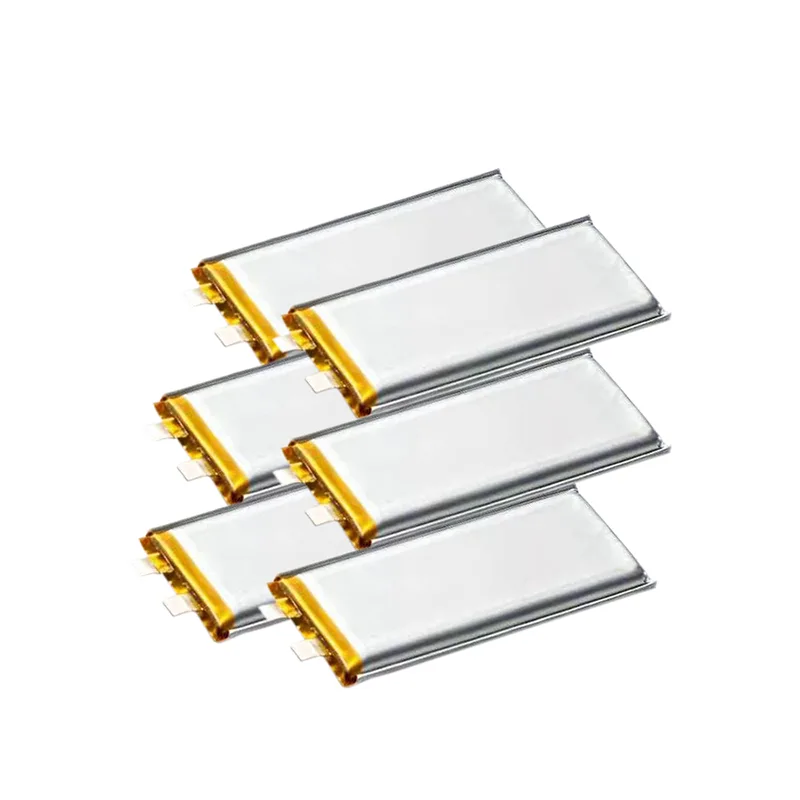
LiPo Pouch Cell Structure
The pouch-cell format offers flexibility when arranging the battery inside an agricultural drone. Pack dimensions and cell arrangement can be adapted more easily when the battery compartment has specific space constraints.
10C–25C Continuous Discharge
The B-50 supports a continuous discharge range of 10C to 25C. This specification is relevant to agricultural spraying drones that require higher current during takeoff, hovering, and other demanding operating conditions.
800-Cycle Reference Life
The battery is rated for 800 cycles to 80% of initial capacity under the stated test conditions of 25°C±2°C, 1C charging, 2C discharging, and 100% DOD. Actual service life varies with charging method, current, temperature, storage, and depth of discharge.
Customization for Agricultural Spraying Drones
A battery for a spraying drone cannot always be selected by capacity alone. The available battery space, system voltage, current requirement, connector position, and overall pack dimensions all affect compatibility.
YIHANG can customize the B-50 platform around these requirements, including voltage, capacity, dimensions, and connectors. This allows the battery to be adapted for different agricultural UAV architectures instead of forcing the aircraft to use a fixed battery size.
Applications
Agricultural Spraying
The 50000mAh capacity and 10C–25C continuous discharge make the B-50 suitable for agricultural UAVs used for crop spraying and related field operations.
Fertilizer and Crop Treatment
The high-capacity pack can be configured for agricultural drones that require sustained electrical power while carrying operational payloads.
Commercial Agricultural UAV Fleets
The 800-cycle reference life provides a defined battery-life benchmark under the stated laboratory test conditions and can be used when evaluating battery suitability for repeated operations.
Customized Spray Drone Platforms
Voltage, capacity, dimensions, and connectors can be adjusted for agricultural drone platforms with specific mechanical or electrical requirements.
Quality Control and Battery Testing
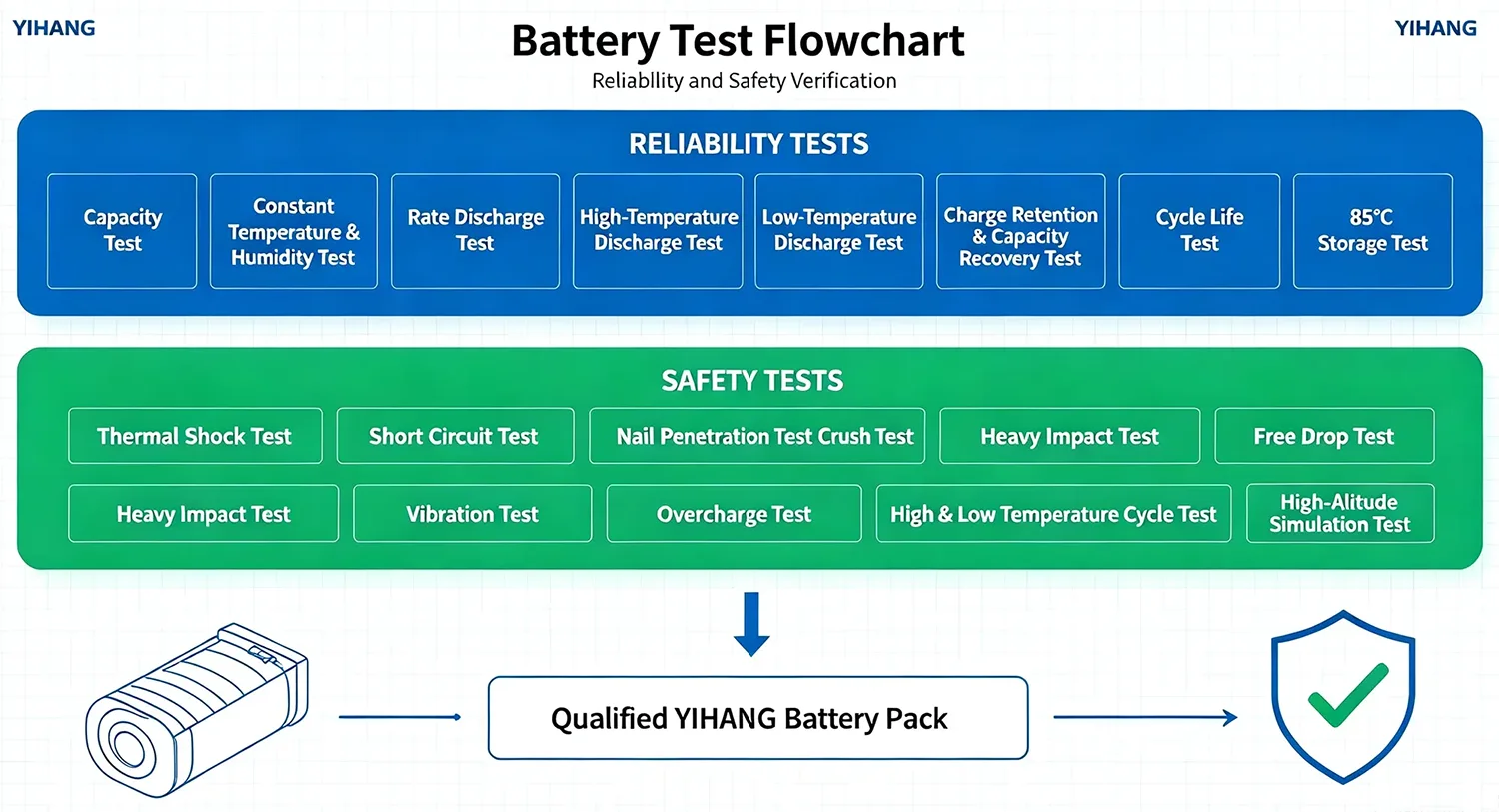
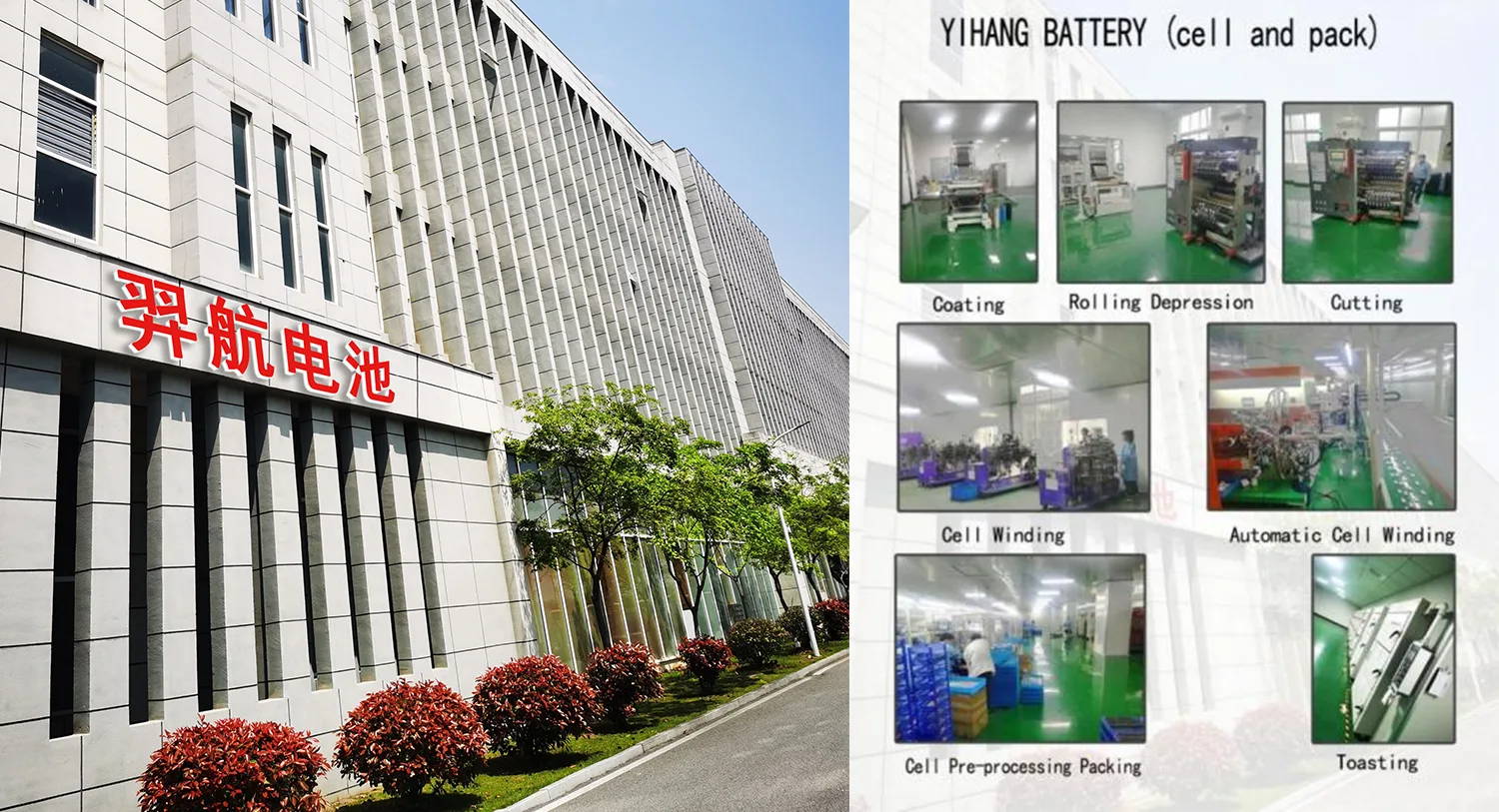
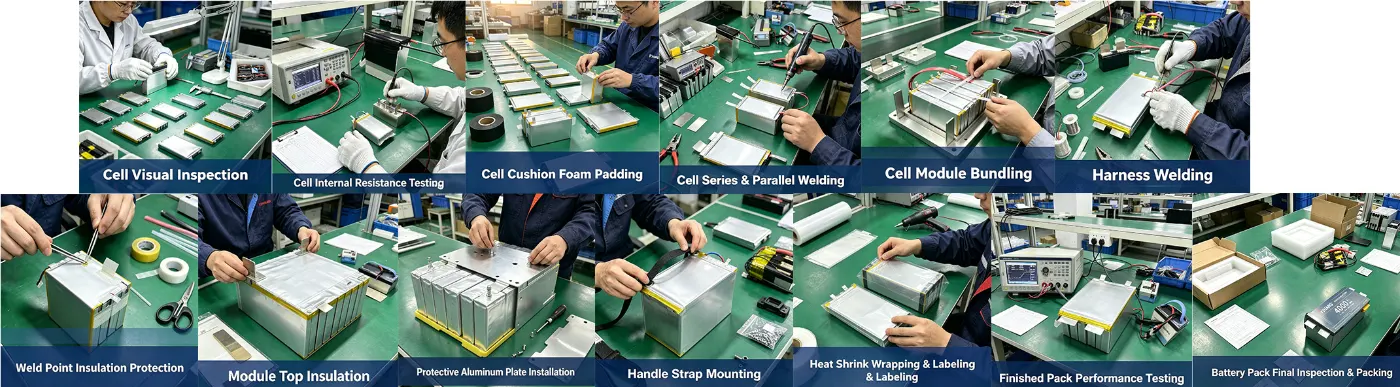
Battery quality depends on more than the final assembly. Cell selection, matching, pack construction, electrical connections, and final testing all affect the consistency of the finished battery.
For customized agricultural drone batteries, the main parameters can be checked against the agreed specification before shipment. Depending on the configuration, testing can cover capacity, voltage, electrical performance, connector configuration, and other defined requirements.
Why Choose YIHANG
YIHANG focuses on UAV battery development and pack customization rather than offering only fixed battery models. For agricultural applications, the battery can be specified around the drone's voltage system, current demand, available installation space, and operating requirements.
The B-50 also provides a defined reference configuration—14S, 50000mAh, and 10C–25C continuous discharge—while leaving room to adjust the battery design for other aircraft platforms.
For international supply, YIHANG provides the listed UN38.3, MSDS, and export documentation required for applicable battery shipments.
FAQ
Q1: What is a 50000mAh agricultural spraying drone battery?
A 50000mAh agricultural spraying drone battery is a high-capacity UAV battery designed for agricultural aircraft that require substantial stored energy and relatively high current output. The YIHANG B-50 uses LiPo pouch cells and has a common 14S configuration with a 10C–25C continuous discharge rate.
Q2: What does 14S mean for an agricultural drone battery?
14S means that 14 battery cells are connected in series. The resulting nominal voltage depends on the cell chemistry and nominal cell voltage. The exact battery voltage should be matched to the UAV's ESC, motors, charger, and other electrical components before installation.
Q3: Can the YIHANG B-50 battery be customized for another agricultural drone?
Yes. YIHANG supports customization of voltage, capacity, battery size, and connectors. The final configuration can be developed around the target drone's battery compartment, electrical system, current requirements, and mechanical installation conditions.
Q4: How long does a 50000mAh agricultural drone battery last?
There is no fixed flight-time value based on capacity alone. Actual operating duration depends on the drone's total weight, payload, propulsion system, flight speed, wind conditions, spraying workload, and other power demands. Battery capacity should therefore be evaluated together with the aircraft's actual energy consumption.
Q5: How many cycles does the YIHANG B-50 agricultural drone battery provide?
The stated reference life is 800 cycles to 80% of initial capacity when tested at 25°C±2°C with 1C charging, 2C discharging, and 100% DOD. Real-world cycle life can vary according to temperature, discharge current, charging practice, storage conditions, and depth of discharge.
Q6: Does the B-50 use pouch cells?
Yes. The B-50 uses LiPo pouch cells. This cell format provides flexibility in pack layout, which can be useful when adapting a high-capacity battery to the installation space of an agricultural UAV.
Q7: What documents are available for international shipment?
The listed documentation includes UN38.3, MSDS, and related export documents for applicable battery configurations and shipments. Additional documentation requirements should be confirmed according to the destination market and transportation method.
Hot Tags: 50000mAh Agricultural Spraying Drone Battery
Related Category
Send Inquiry
Please Feel free to give your inquiry in the form below. We will reply you in 24 hours.