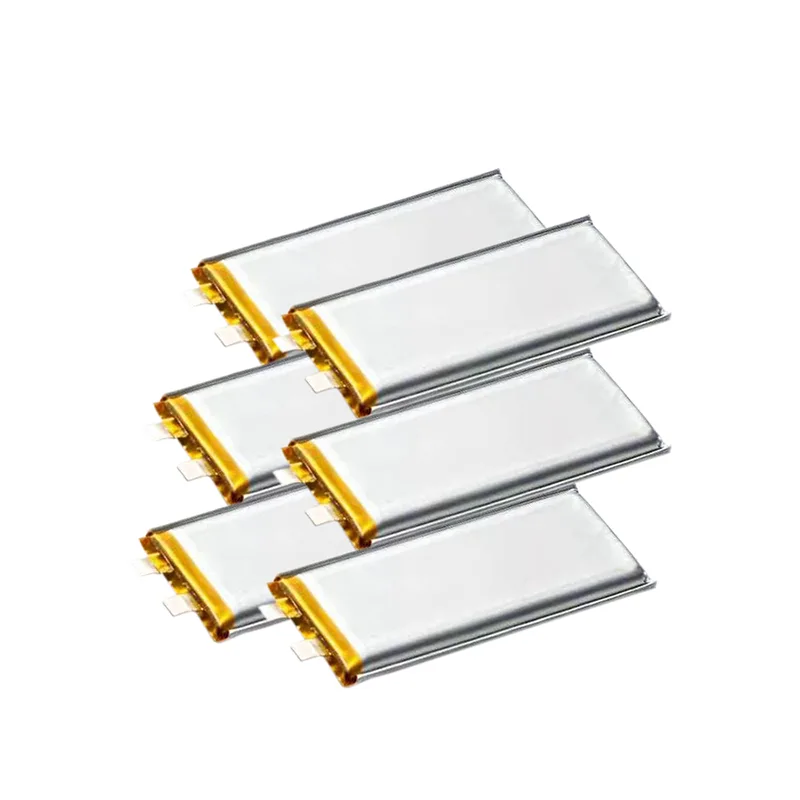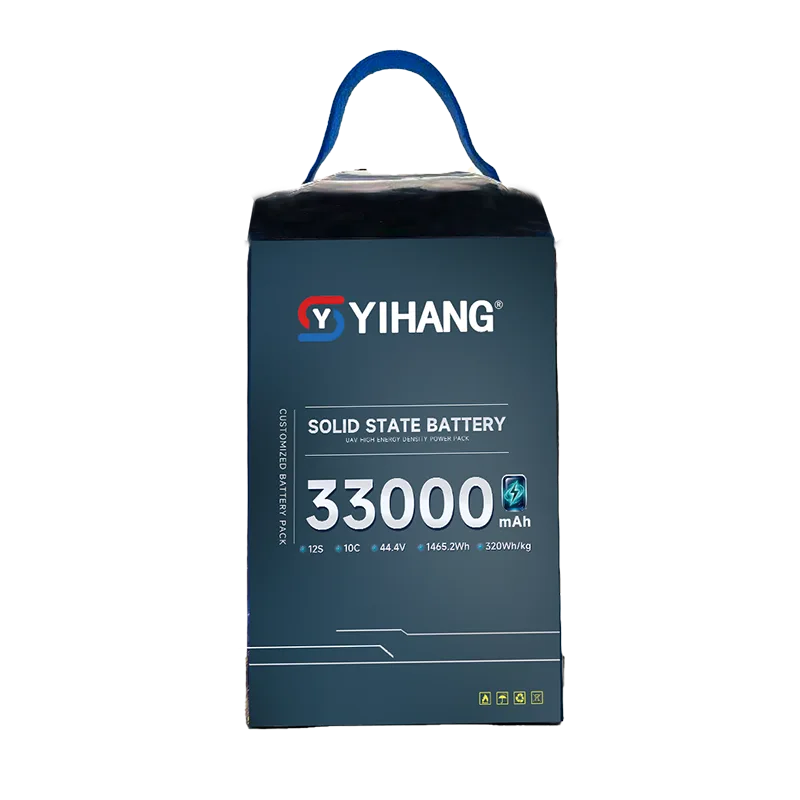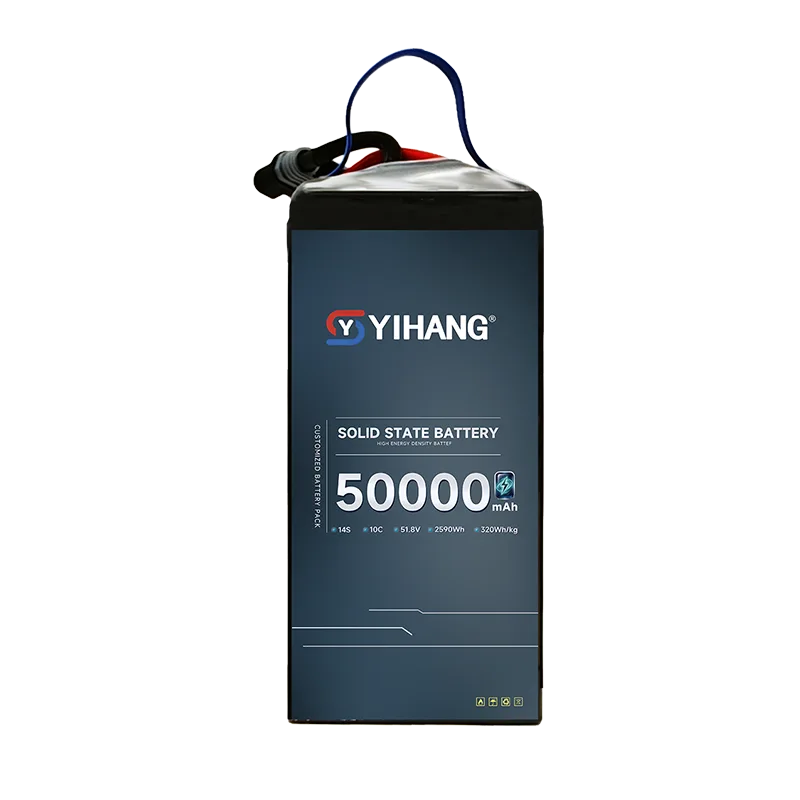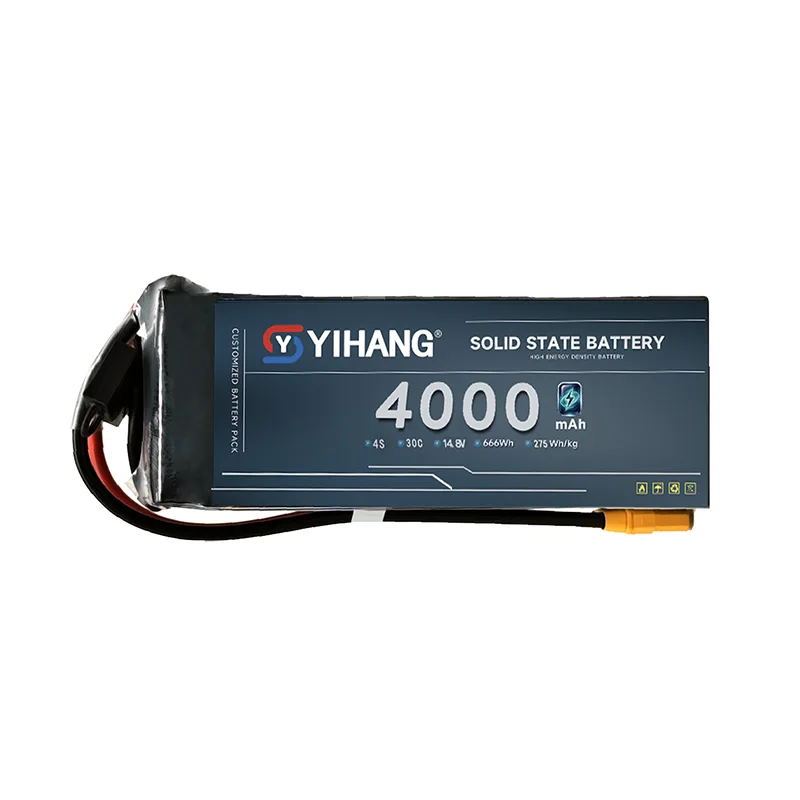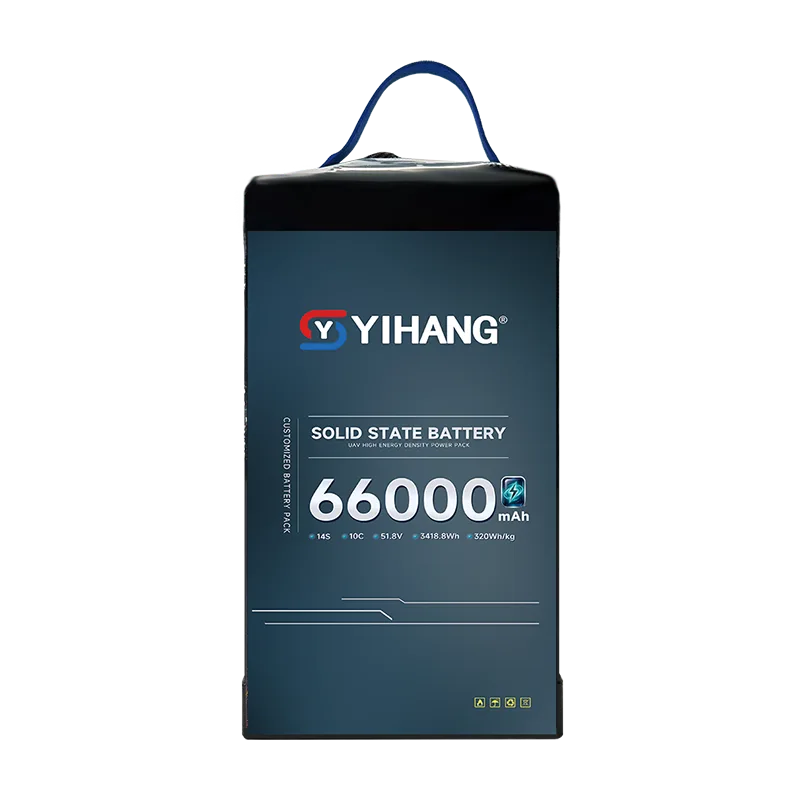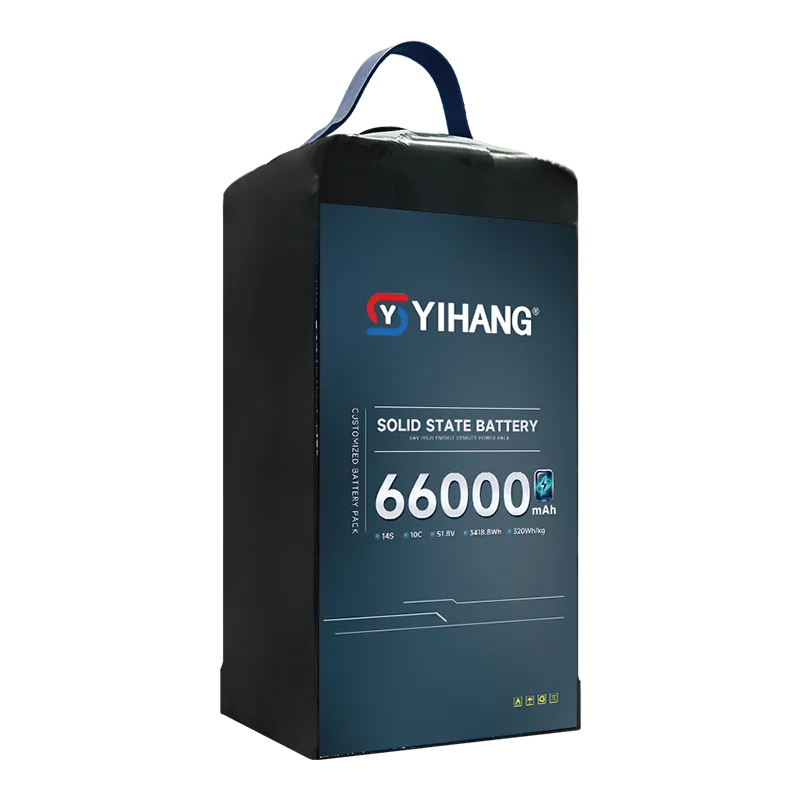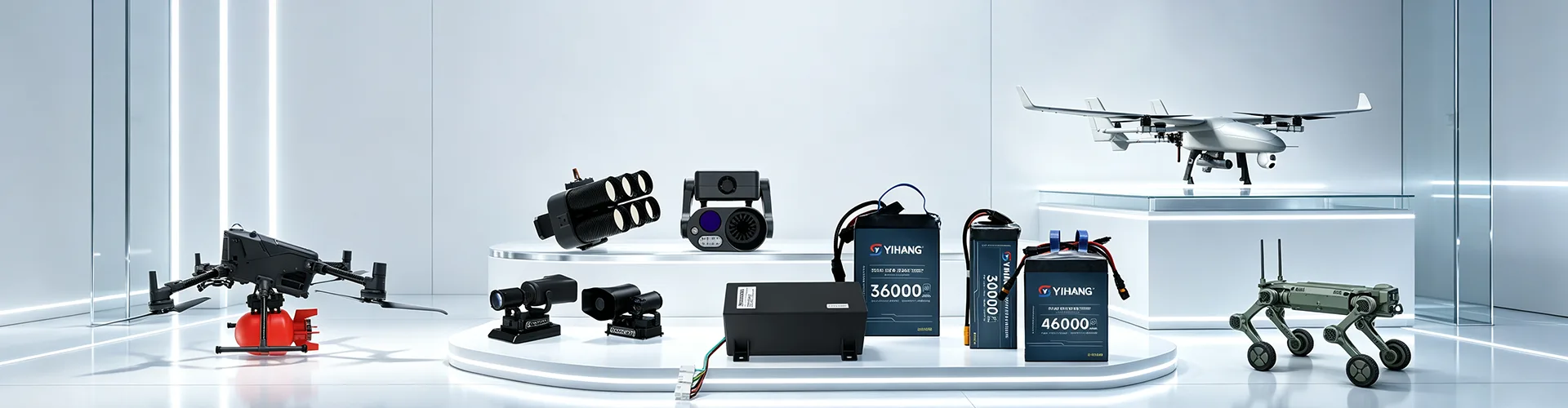
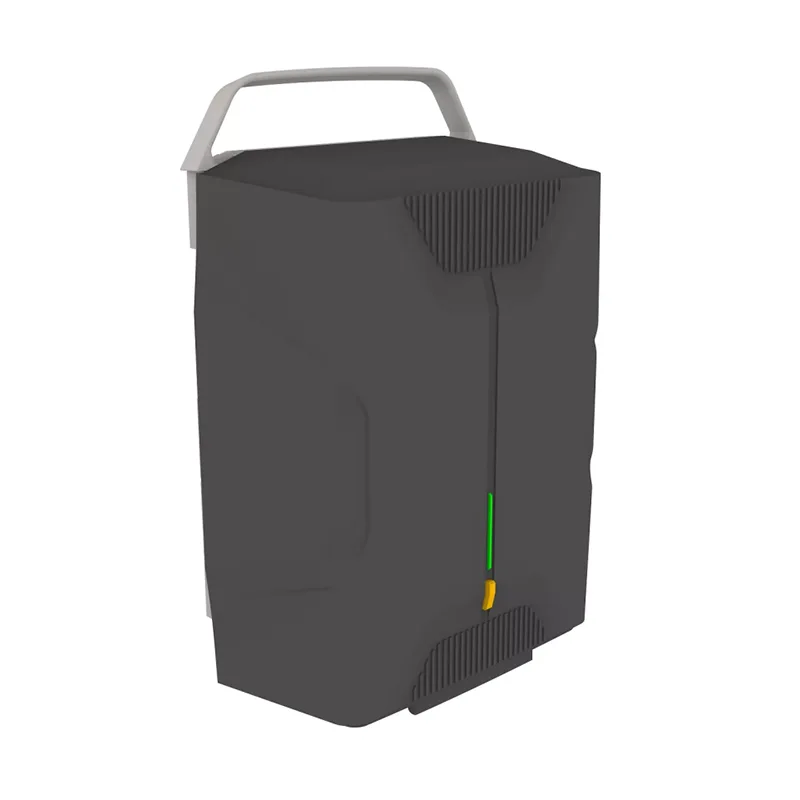
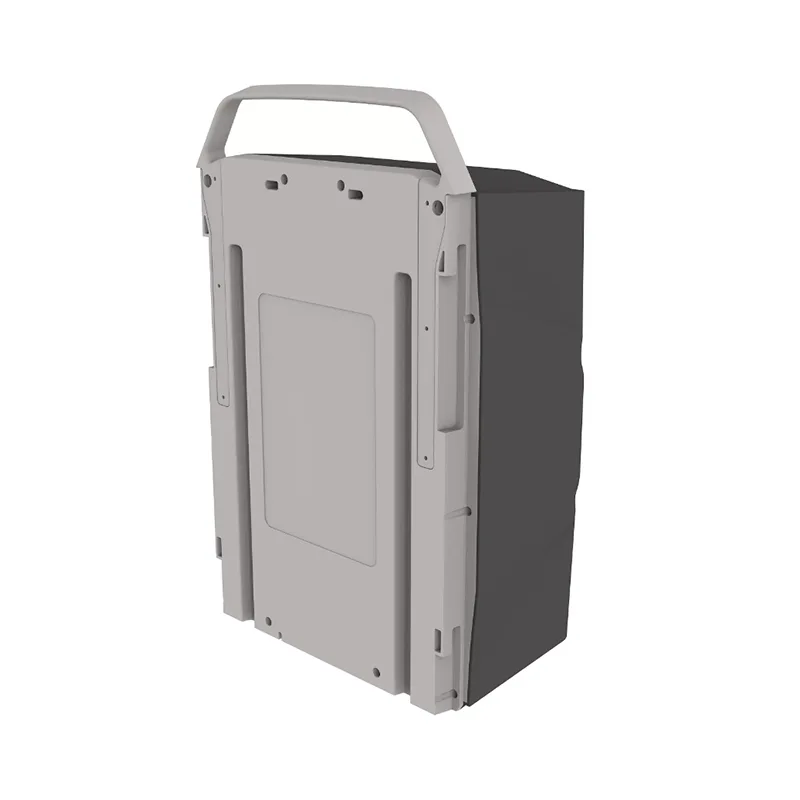
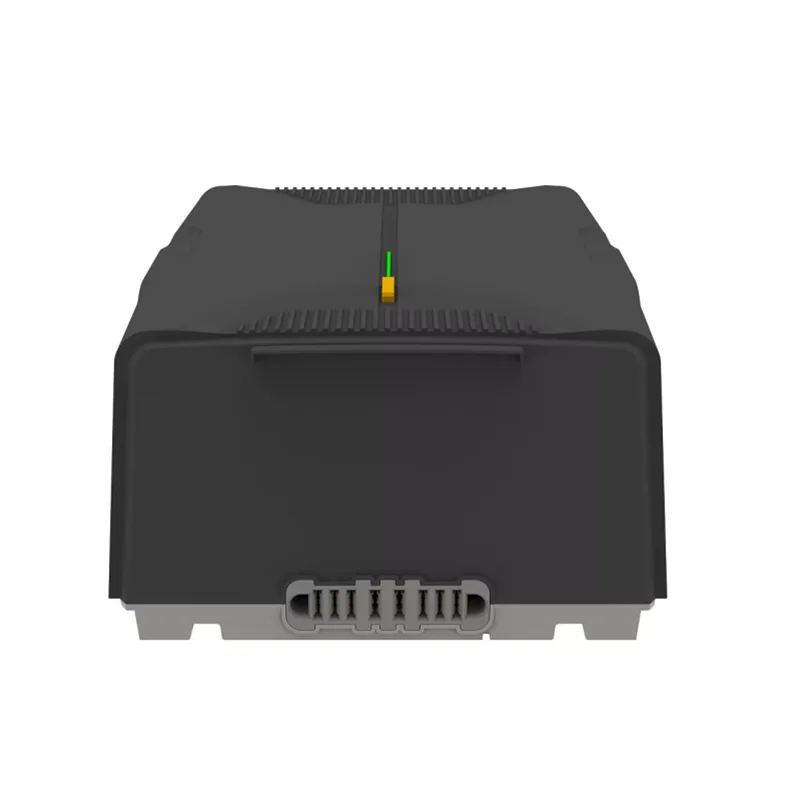
Industrial Drone Battery with Smart BMS
The Industrial Drone Battery with Smart BMS from YIHANG, a Chinese manufacturer, is designed for heavy-lift cargo drones, aerial transport UAVs and agricultural sprayers. Its smart BMS supports cell monitoring, balancing and over-temperature protection, with optional RS485/CAN communication for compatible systems. Battery data including voltage, current, SOC and cycle count can be monitored according to the configured BMS functions.
Send Inquiry
Product Description
YIHANG, a China manufacturer and supplier, provides the Customized Industrial Drone Battery with Smart BMS for UAV platforms requiring high-rate power output, battery monitoring and application-specific configuration. Reference configurations include 12S, 14S and 18S, with 20000mAh–60000mAh capacity options and customizable voltage, dimensions, connectors and communication protocols.
The battery is built around high-rate LiPo cells and can be configured according to the electrical and mechanical requirements of the target UAV. For industrial applications, factors such as continuous discharge demand, battery compartment space, electrical interfaces and BMS communication need to be considered together rather than selecting capacity alone.
Technical Specifications
|
Item |
Specification |
|
Product Name |
Industrial Drone Battery with Smart BMS |
|
Battery Type |
Smart BMS Agricultural Drone Battery Pack |
|
Cell Format |
High-rate LiPo (customizable) |
|
Optional Configuration |
12S / 14S / 18S (customizable) |
|
Capacity Range |
20000mAh – 60000mAh (customizable) |
|
Continuous Discharge Rate |
10C – 25C (customizable) |
|
BMS Functions |
Active cell balancing, real-time monitoring, RS485/CAN telemetry, over-temp/over-current/over-discharge protection, cycle data logging |
|
Working Temperature |
-20°C to +55°C |
|
Certifications |
UN38.3, MSDS, full export documentation |
|
Custom Service |
Voltage, capacity, size, connectors, communication protocol |
|
Payment Terms |
T/T, L/C |
|
Manufacturer |
YIHANG |
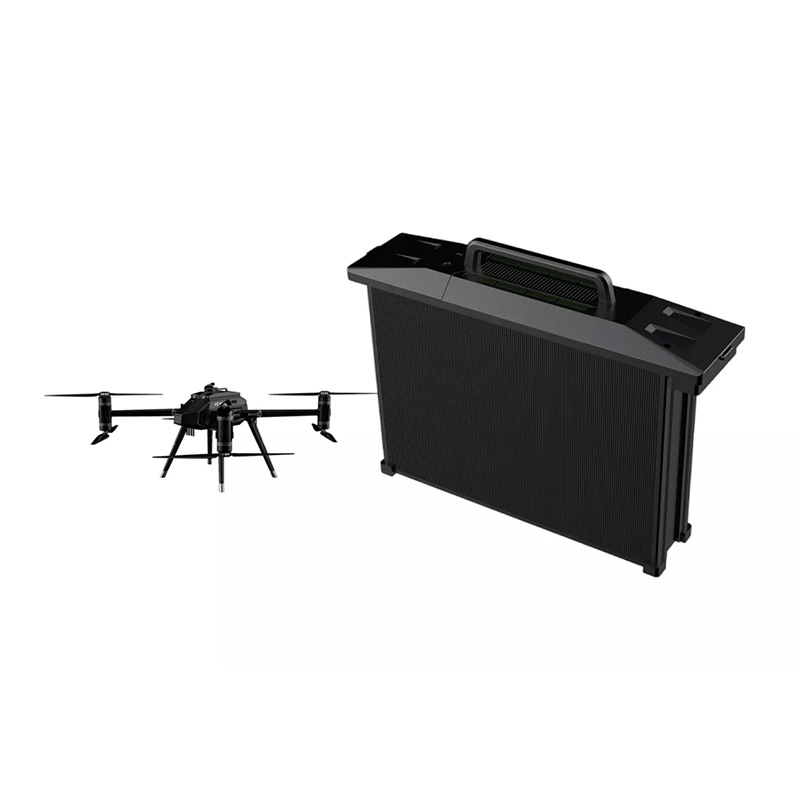
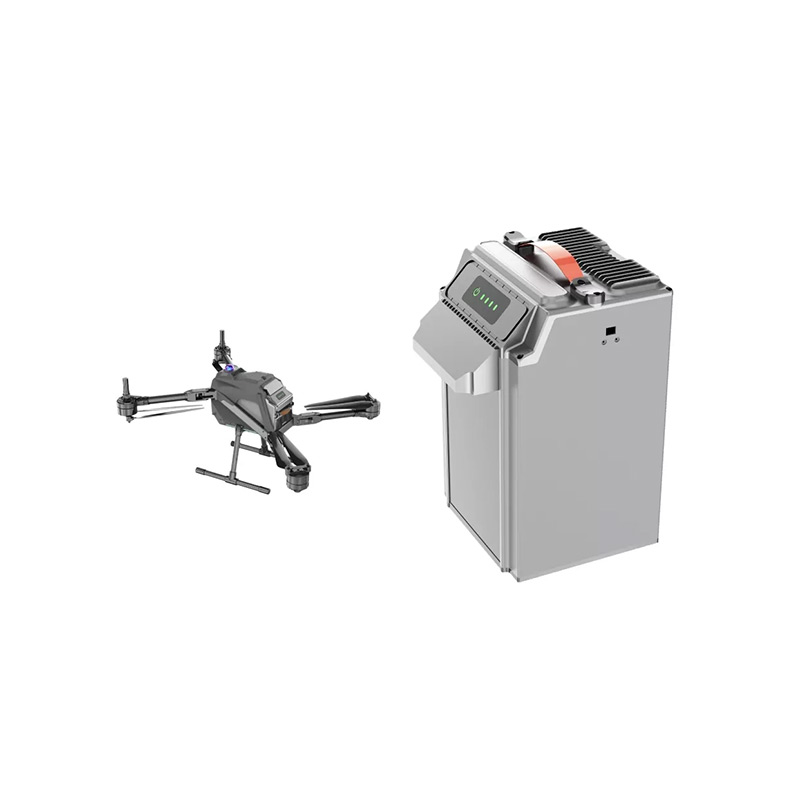
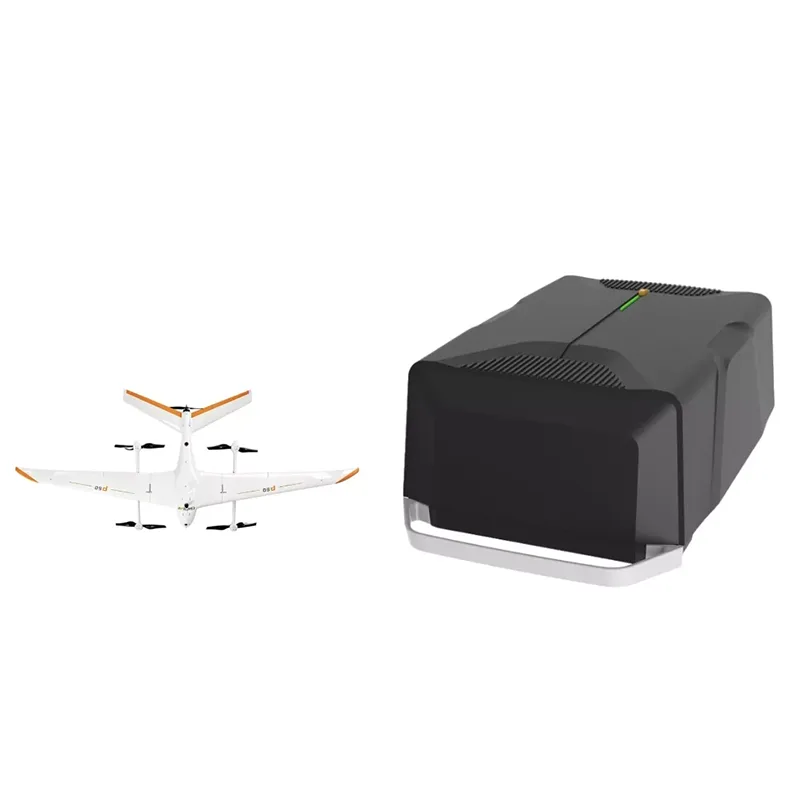
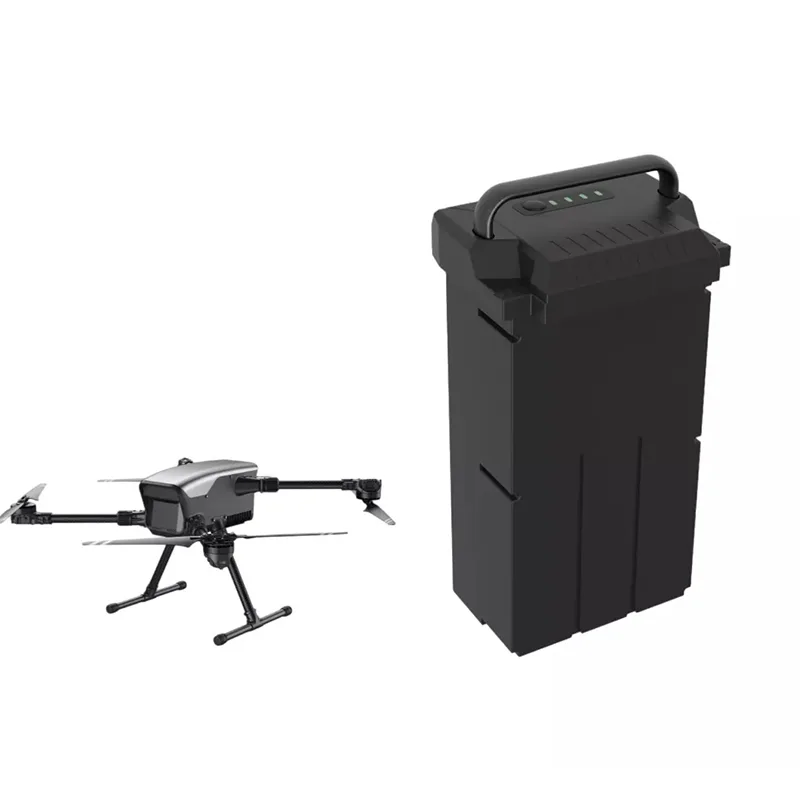
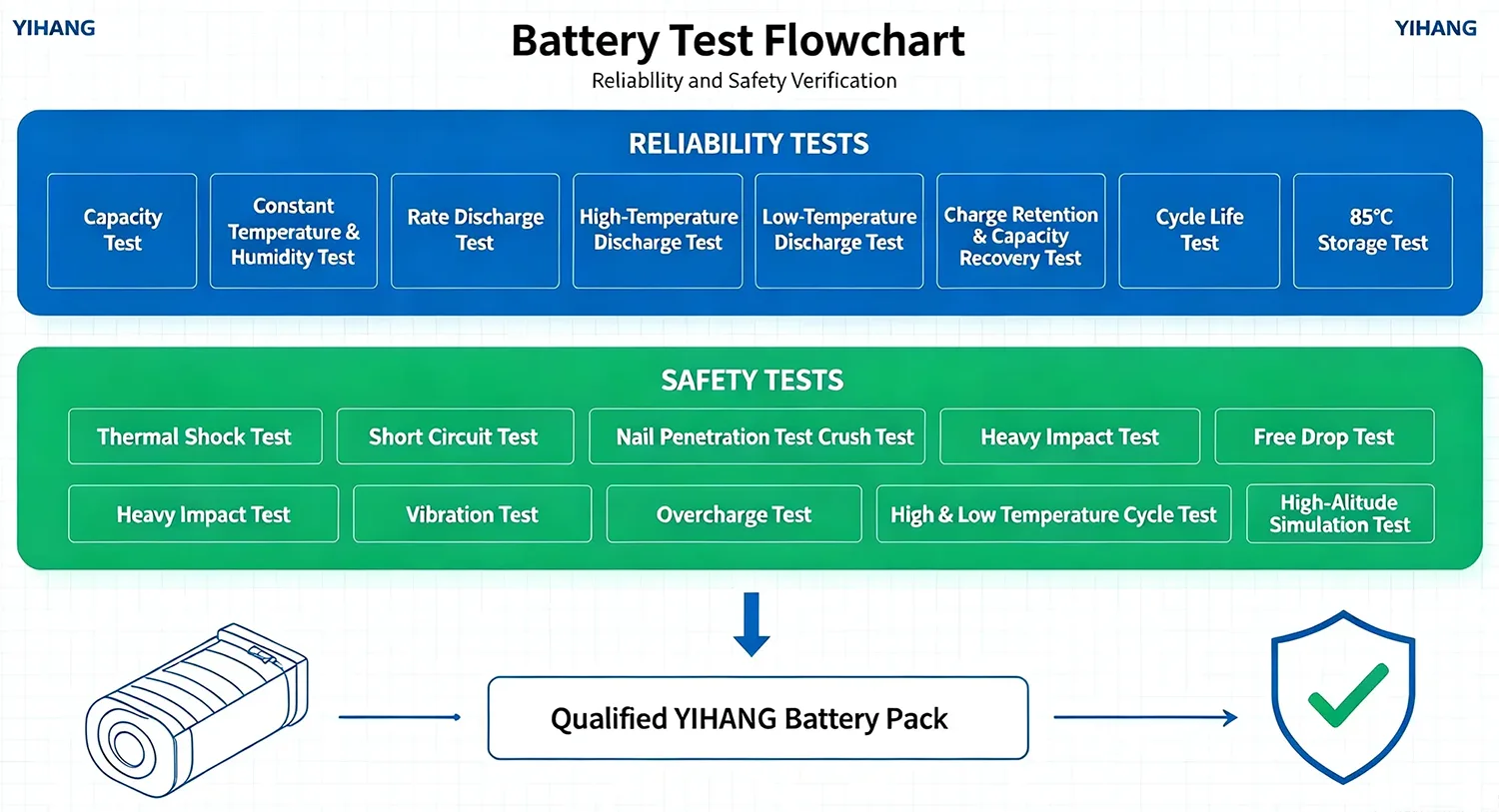
Industrial drone battery built with smart UAV BMS system. Core safety and performance test criteria below
|
Test Item |
Reference Standard |
Key Acceptance Criteria |
|
Voltage & Temperature Sampling |
IEC 62619, GB/T 46460-2025 |
Cell voltage error ≤ ±10 mV Temperature error ≤ ±2°C, multi-point sensing Stable UAV BMS battery data across full operating temperature range |
|
Over-Charge / Over-Discharge Protection |
IEC 62619, GB/T 46460-2025 |
BMS cuts charge / discharge at preset thresholds Auto-recovery only when voltage returns normal No fire, explosion or electrolyte leakage |
|
Charge & Discharge Over-Current Protection |
IEC 62619, GB/T 46460-2025 |
Fast circuit cut-off on over-current BMS hardware remains undamaged after fault trigger |
|
External Short-Circuit Protection |
IEC 62619, GB/T 46460-2025 |
Instant protection for external short circuit No smoke, fire or explosion |
|
Cell Balancing Function |
IEC 62620, GB/T 46460-2025 |
Reduces series cell voltage delta in drone lithium battery pack Balancing circuit runs without overheating |
|
CAN Communication & SOC Calculation |
GB/T 46460-2025, ISO 24352:2023 |
SOC error ≤ ±3% for industrial drone battery CAN bus outputs real-time battery status Built-in fail-safe for CAN communication loss |
|
Fault Alarm Feedback |
IEC 62619, GB/T 46460-2025 |
Alarm triggers for abnormal conditions Recoverable faults clear after issue fixed Critical faults lock and cannot auto-reset |
Battery Management and Configuration
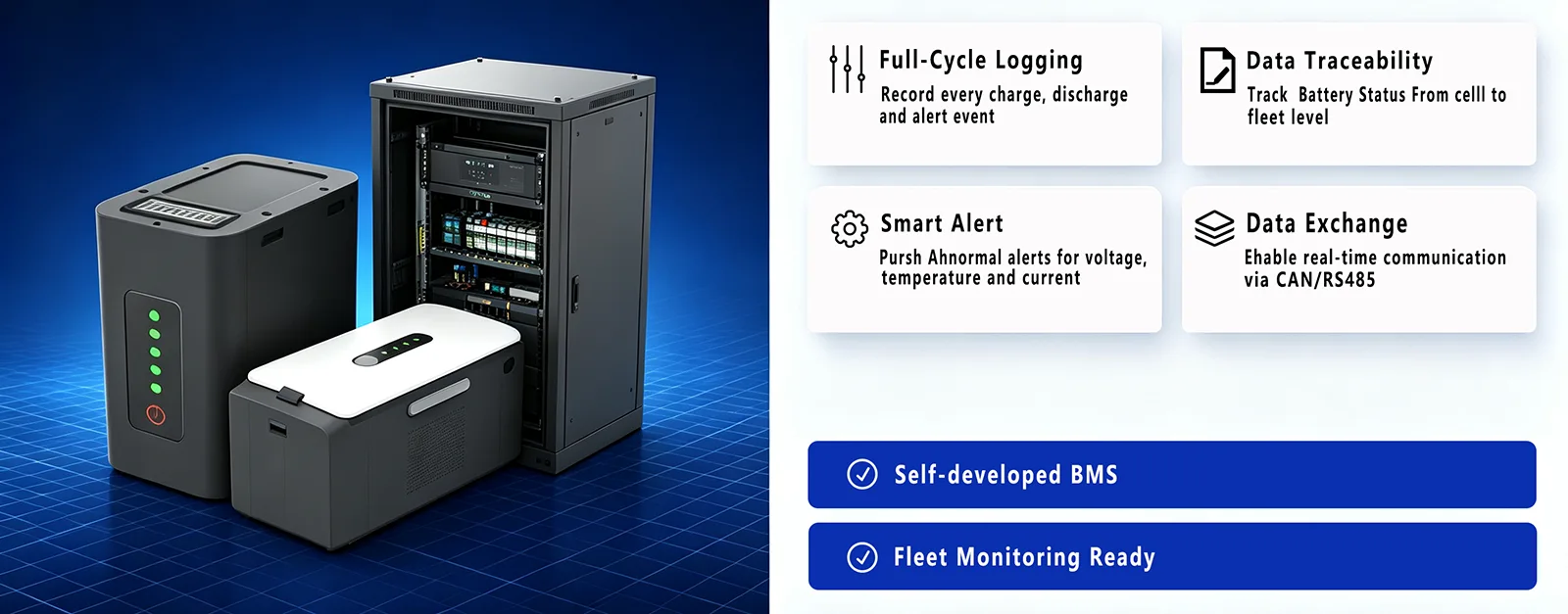
The integrated smart BMS adds monitoring, balancing, protection and communication functions to the battery pack. Depending on the final configuration, it can provide key battery information to compatible flight-control, ground-station or monitoring systems.
Available BMS Functions
Cell balancing – Helps manage voltage differences between individual cells.
Battery monitoring – Tracks voltage, current, temperature and other configured battery data.
SOC and cycle data – Provides state-of-charge information and records battery usage cycles.
Protection – Supports configured protection against over-temperature, over-current and over-discharge.
CAN / RS485 communication – Allows battery data to be exchanged with compatible UAV systems.
The exact BMS functions, communication protocol and battery parameters are configured according to the target aircraft and project requirements.
Key Advantages
1. Smart Battery Management
The BMS can monitor key battery conditions and manage functions such as cell balancing and protection. This gives the UAV system access to more battery information than a basic power pack.
2. RS485 and CAN Communication
RS485 and CAN interfaces allow battery information to be exchanged with compatible flight-control or monitoring systems. Available data can include voltage, current, temperature, SOC, and cycle information, depending on the selected configuration.
3. High-Rate LiPo Power
The battery uses high-rate LiPo cells and supports a continuous discharge rate of 10C–25C. This makes the platform suitable for industrial UAVs with relatively high power requirements.
4. Flexible Voltage and Capacity Options
12S, 14S, and 18S are available as reference configurations, with capacities from 20000mAh to 60000mAh. Voltage and capacity can be adjusted according to the target UAV system.
5. Custom Mechanical and Electrical Configuration
For platform-specific projects, YIHANG can customize battery dimensions, connectors, communication protocol, voltage, capacity, and other agreed parameters to match the aircraft design.
Battery Monitoring and BMS Functions
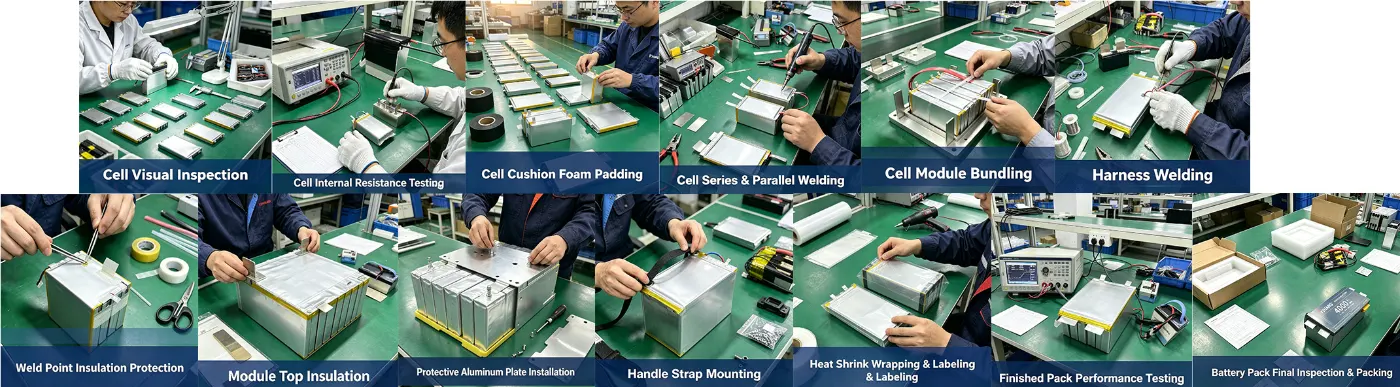
A smart BMS provides a management layer between the battery pack and the UAV system. Depending on the final configuration, the system can monitor cell and pack conditions, perform active balancing, record cycle data, and provide protection against conditions such as over-temperature, over-current, and over-discharge.
Communication through CAN or RS485 can make selected battery data available to compatible flight-control systems or ground stations. The specific communication protocol, data format, and supported parameters should be confirmed during battery configuration.
Customization Process
Customized industrial drone batteries are normally specified from the UAV's electrical and mechanical requirements. Key inputs can include system voltage, target capacity, continuous and peak current, available battery space, connector type, communication interface, and required BMS functions.
YIHANG can then define the battery configuration around these requirements. For development projects, the final specification should be confirmed before sample production so that the battery and UAV system can be evaluated together.
Industrial Drone Battery Applications
| Application | Why Our Battery Fits |
| Heavy-Lift Cargo Drones | High-rate discharge under load, real-time monitoring for valuable payloads |
| Aerial Transport UAVs | Long cycle life, telemetry for fleet management |
| Agricultural Sprayers | Dust-sealed, heat-resistant, 30+ sorties per day |
| Industrial Inspection Drones | Power line, pipeline, and infrastructure inspection. Long endurance, stable voltage, real-time telemetry. |
Why Choose YIHANG
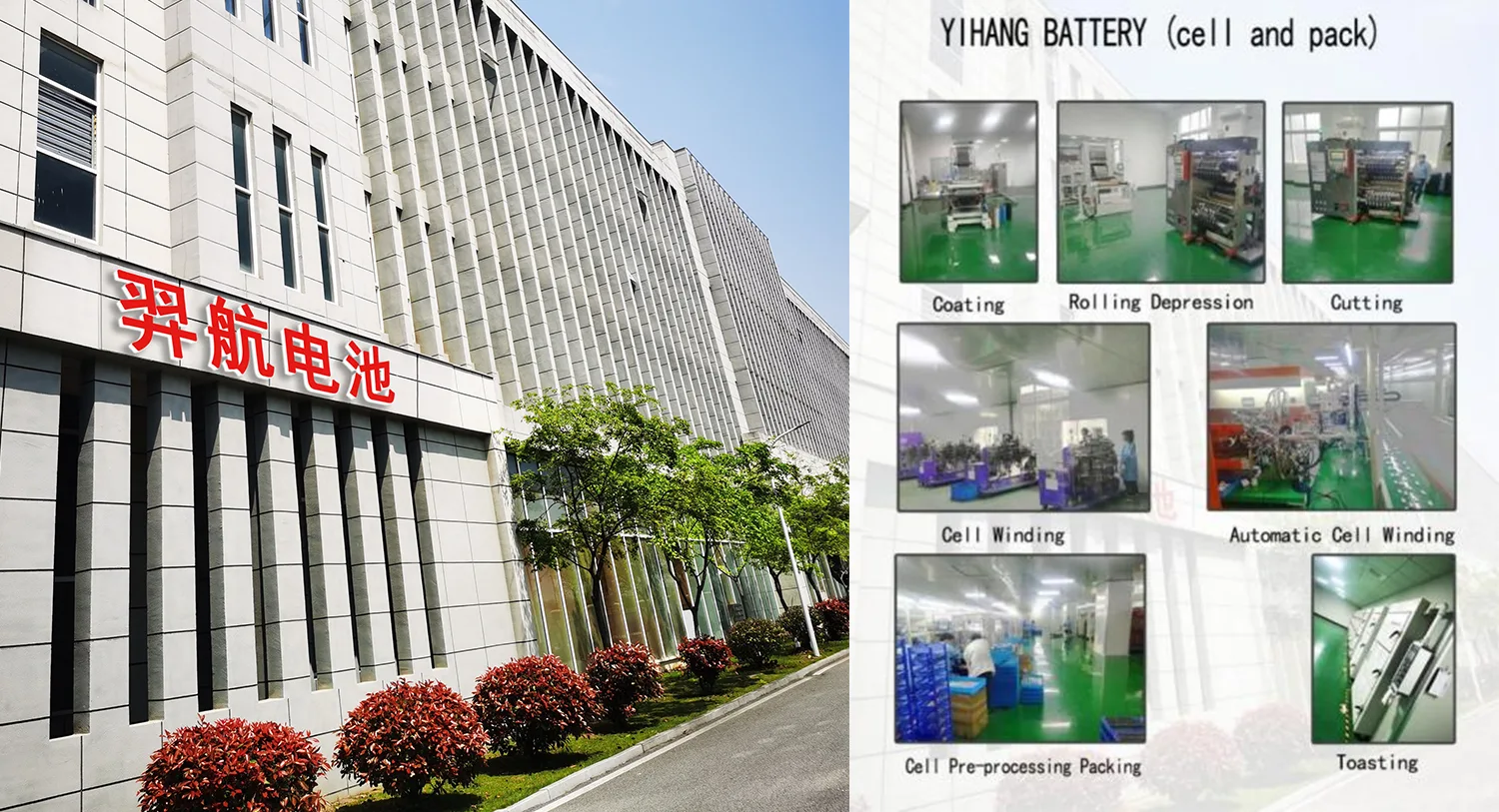
The value of a smart battery is not only the BMS hardware but also how the battery, management system, and UAV interface work together. YIHANG supports configuration of battery parameters and BMS communication according to the requirements of different industrial UAV platforms.
The available battery range covers 12S, 14S, and 18S configurations with capacities from 20000mAh to 60000mAh. This gives engineering teams a starting range when evaluating different combinations of voltage, capacity, pack size, and current demand.
For customized projects, YIHANG can also adjust battery dimensions, connectors, communication protocol, and other agreed parameters. This is useful for UAV platforms with limited battery space or specific flight-control communication requirements.
FAQ
Q1: What is an Industrial Drone Battery with Smart BMS?
An industrial drone battery with a smart BMS combines the UAV battery pack with a battery management system that can monitor and control selected battery functions. Depending on the configuration, it can provide cell balancing, protection, cycle data, battery status information, and communication through CAN or RS485.
Q2: What battery configurations are available?
YIHANG provides 12S, 14S, and 18S reference configurations, with a capacity range of 20000mAh to 60000mAh. Other voltage and capacity combinations can be discussed according to the electrical requirements of the target UAV.
Q3: Can the BMS communicate with a flight controller or ground station?
Yes. CAN and RS485 communication are supported depending on the selected configuration. Available battery data can include voltage, current, temperature, SOC, and cycle information. Compatibility and data format should be confirmed with the target flight-control or monitoring system.
Q4: What can be customized on this industrial drone battery?
YIHANG supports customization of voltage, capacity, battery dimensions, connectors, and communication protocol. BMS-related parameters and functions can also be defined according to the requirements of the application.
Q5: What does active cell balancing do?
Active cell balancing manages differences in cell voltage within the battery pack by transferring energy between cells. Its purpose is to help maintain better balance between cells during battery operation and charging. Actual balancing performance depends on the BMS design and operating conditions.
Q6: What factors should be considered when selecting an industrial UAV battery?
The main factors include system voltage, required capacity, continuous and peak current, battery weight, available installation space, connector design, operating temperature, and communication requirements. For a smart BMS battery, compatibility with the UAV's control or monitoring system should also be considered.
Q7: What shipping documents are available?
UN38.3, MSDS, and applicable export documentation are available for the relevant battery configurations and shipments. Documentation requirements can vary according to the destination and transportation method.
Hot Tags: Industrial Drone Battery with Smart BMS
Related Category
Send Inquiry
Please Feel free to give your inquiry in the form below. We will reply you in 24 hours.