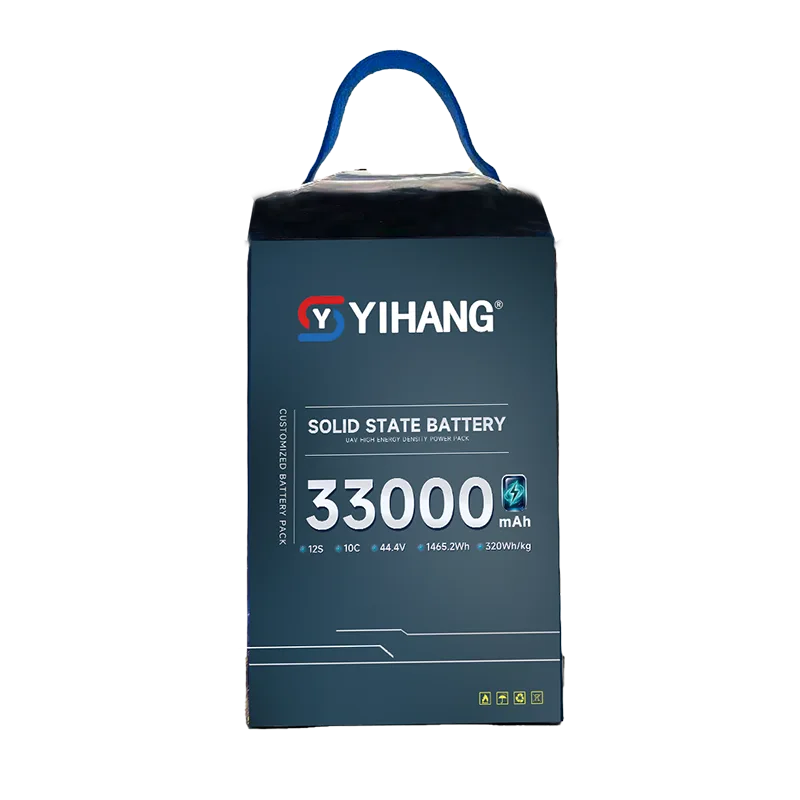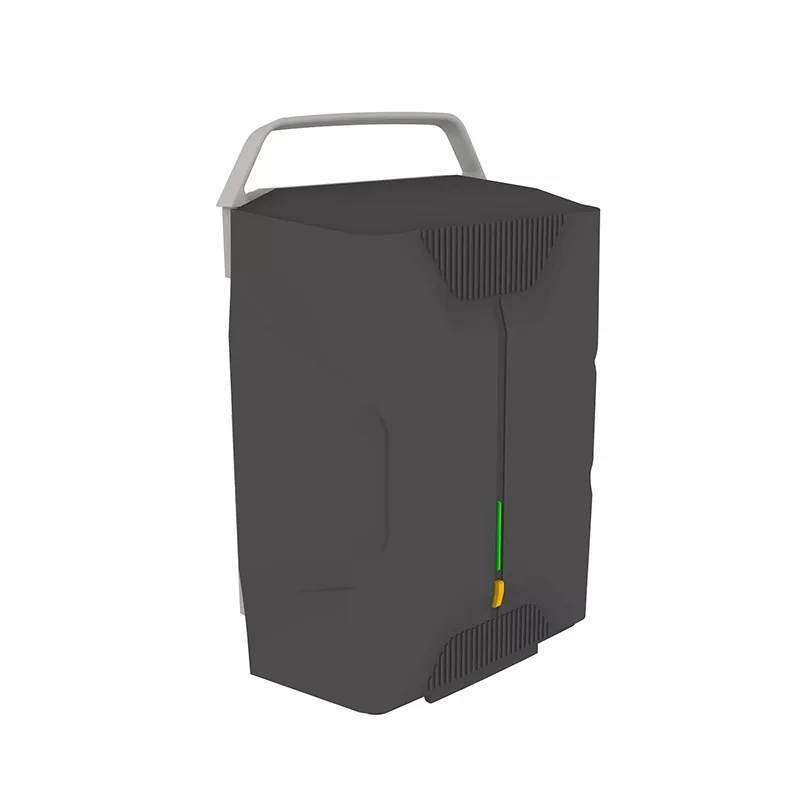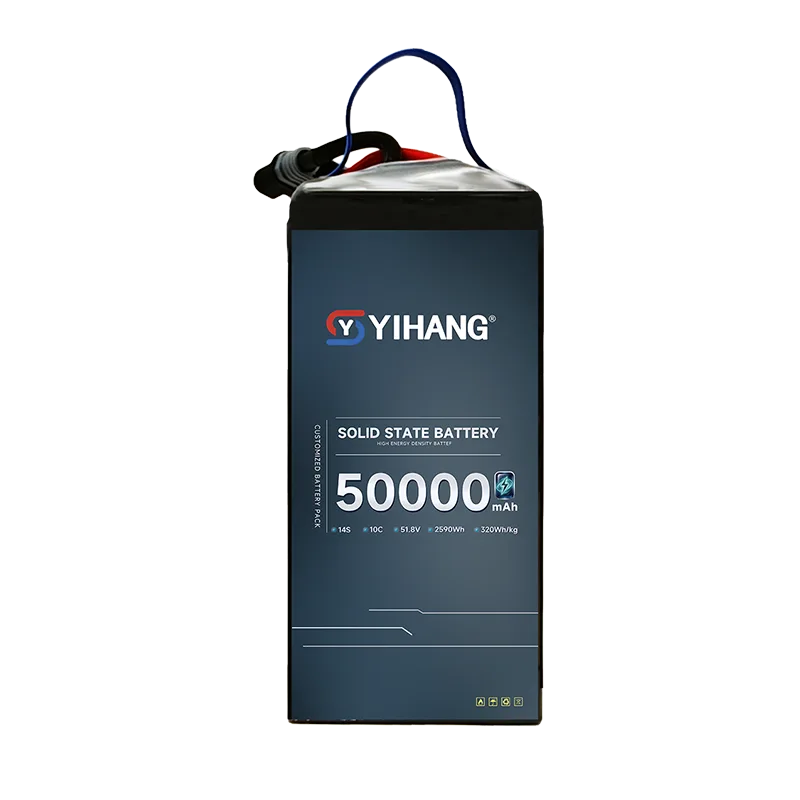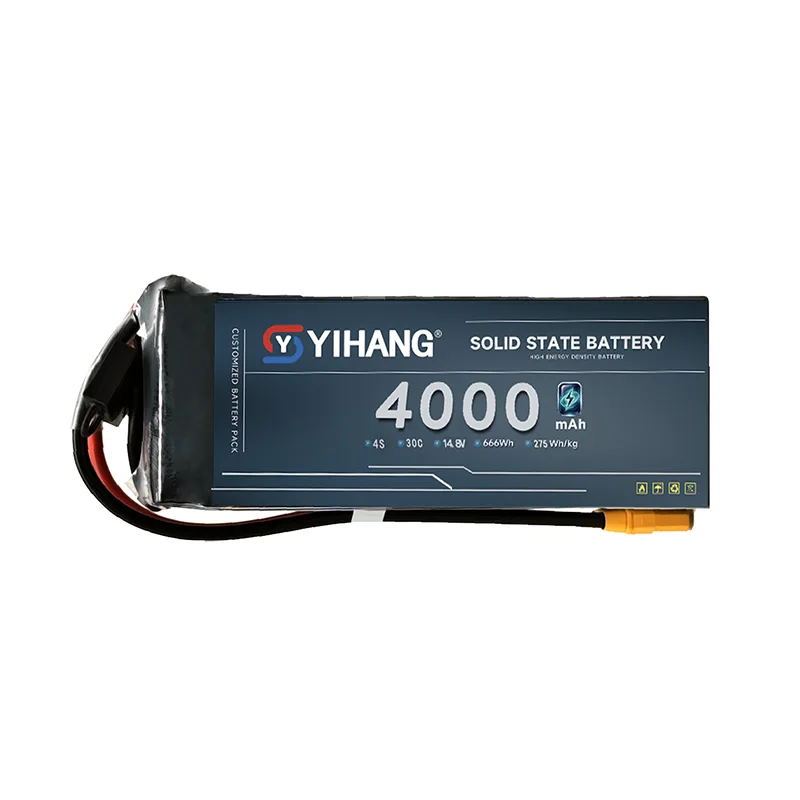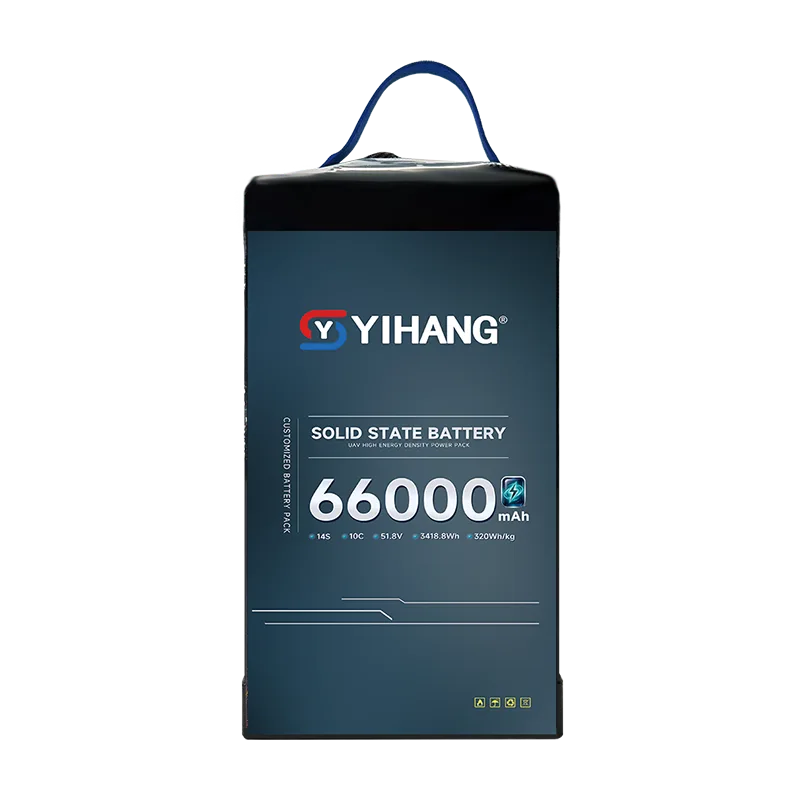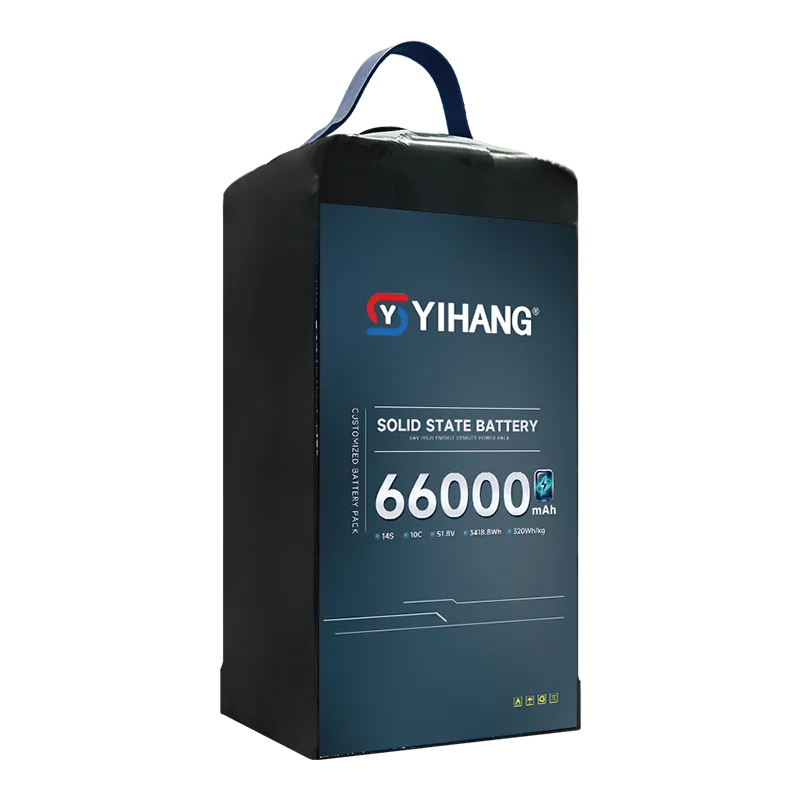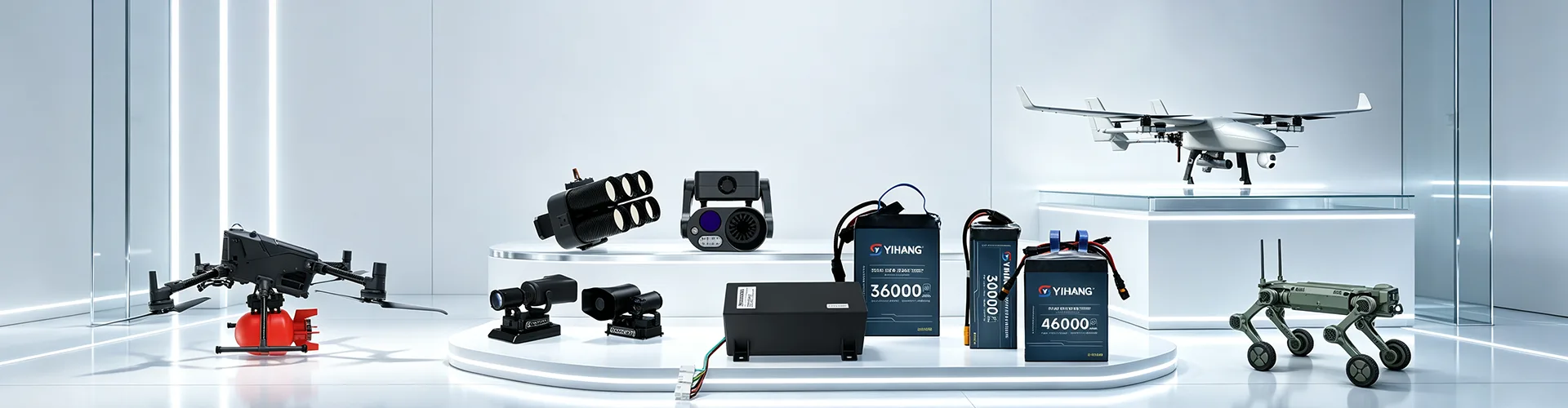
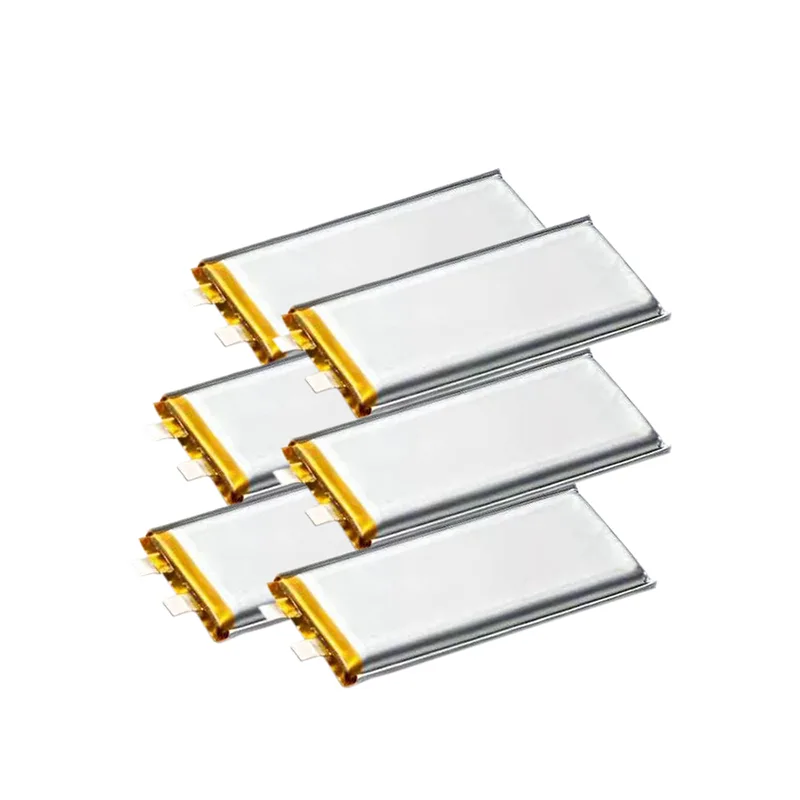
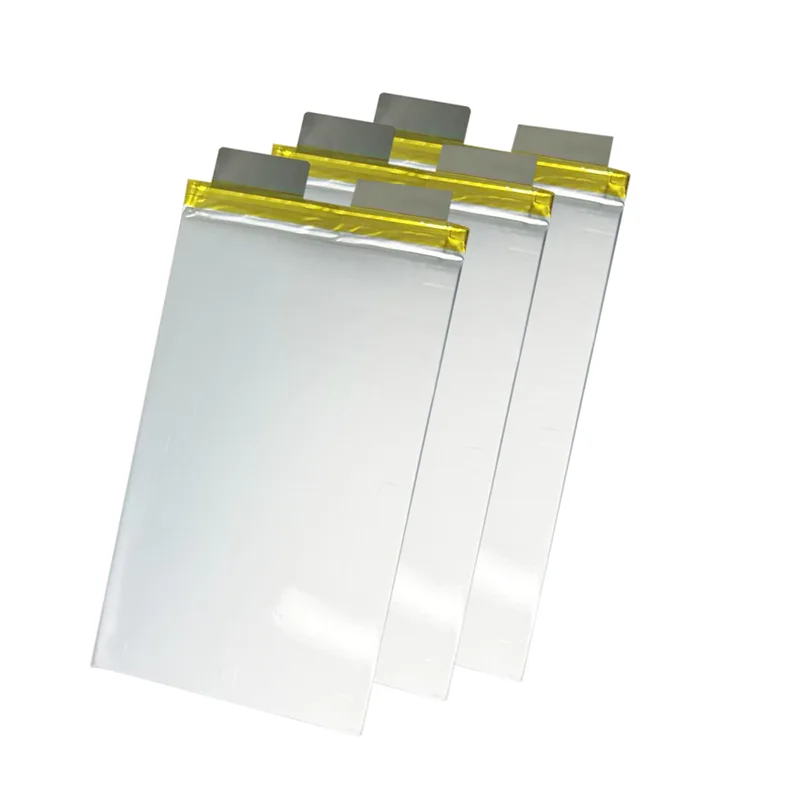
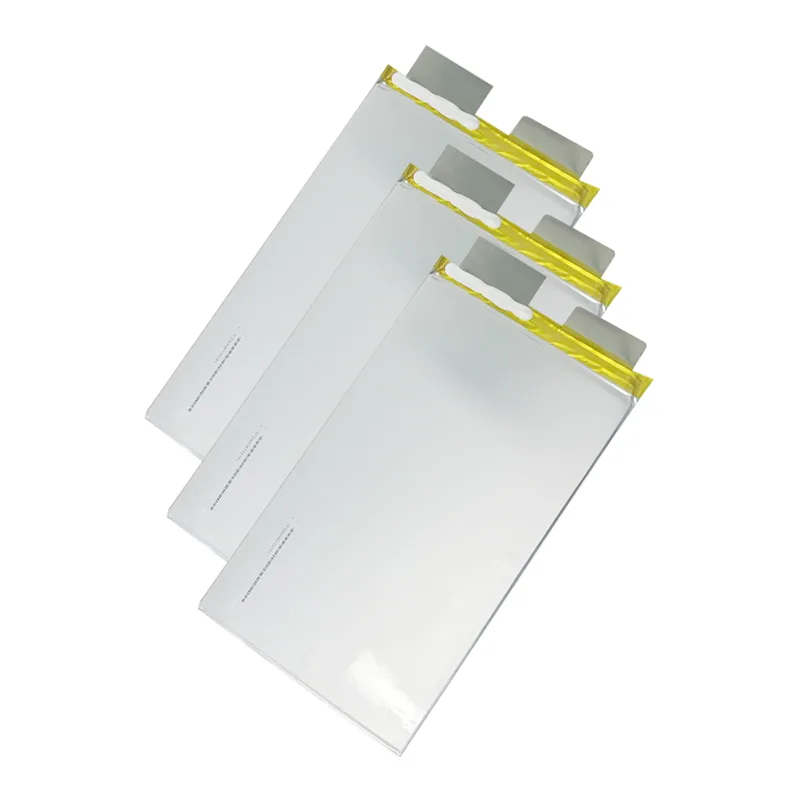
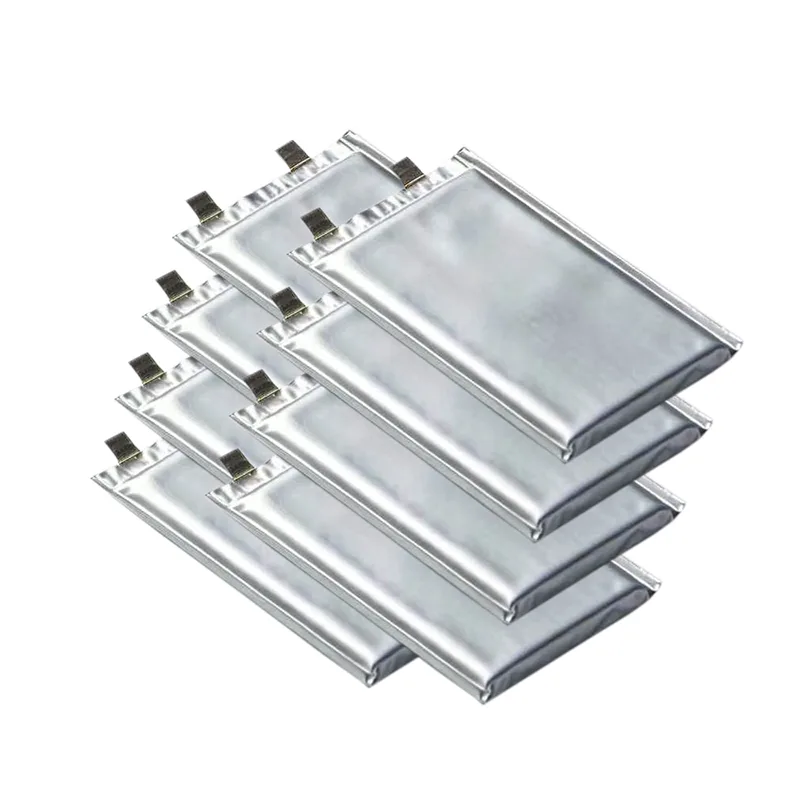
LiPo Pouch Cell for Drone Battery
YIHANG, a China manufacturer and supplier, provides the LiPo Pouch Cell for Drone Battery for agricultural, inspection, mapping and heavy-lift UAVs. The cells support 10C–25C continuous discharge, 220–245Wh/kg energy density, and 12000–40000mAh capacity, with low internal resistance and a reference life of 800 cycles under specified test conditions.
Send Inquiry
Product Description
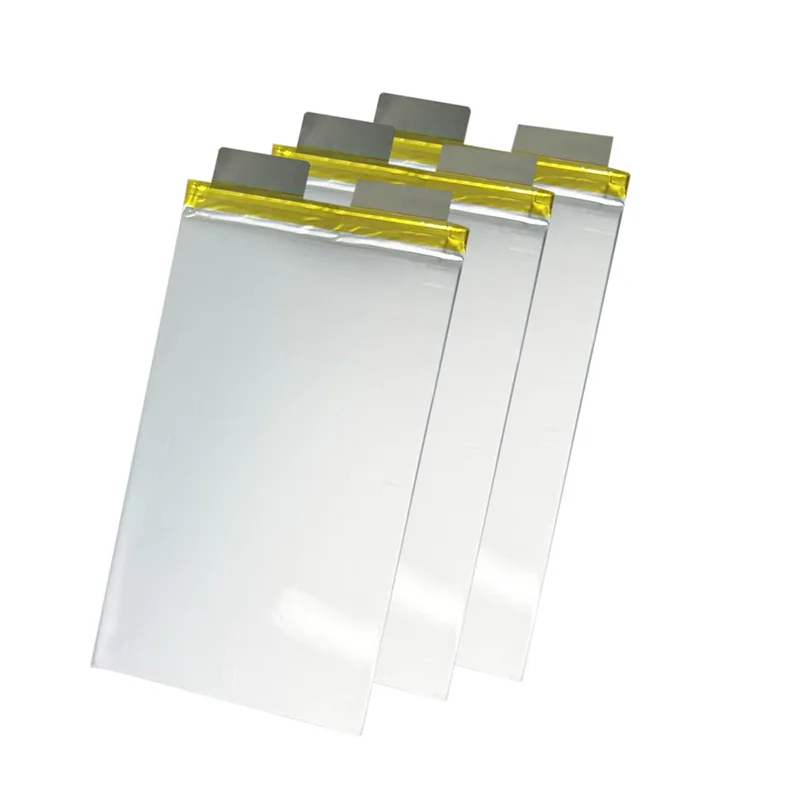
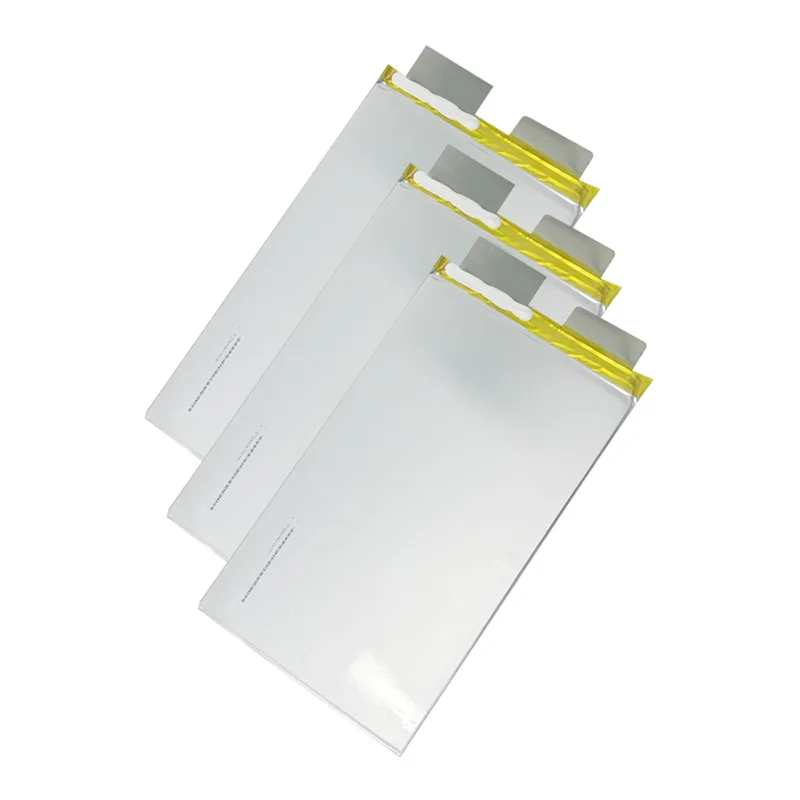
YIHANG, a China manufacturer and supplier, provides the LiPo Pouch Cell for Drone Battery for UAVs and other equipment requiring high-rate discharge, configurable capacity and consistent cell performance. The cell has a 3.7V nominal voltage, 10C–25C continuous discharge, and 220–245Wh/kg energy density, with cell size, thickness and capacity configurable for different battery designs.
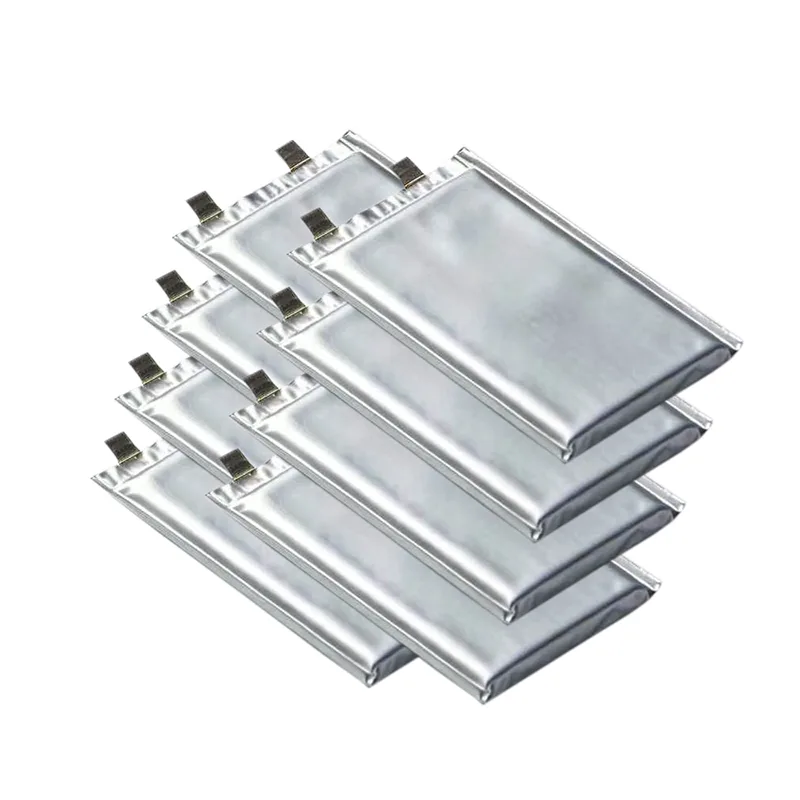
The pouch-cell format allows greater flexibility in battery-pack layout than rigid cell housings, which can be useful when the available installation space or pack dimensions are limited. YIHANG can adjust the cell configuration around the required load profile and finished battery design.
Technical Specifications
|
Item |
Specification |
|
Product Name |
YIHANG LiPo Pouch Cell for Drone Battery |
|
Nominal Voltage |
3.7V (4.2V full charge) |
|
Single Cell Capacity |
12000–40000mAh (customizable) |
|
Continuous Discharge Rate |
10C–25C (customizable) |
|
Energy Density |
220–245Wh/kg (customizable) |
|
Cycle Life |
800 cycles (to 80% initial capacity, tested at 25°C±2°C, 1C charge / 2C discharge, 100% DOD) |
|
Internal Resistance |
≤2mΩ (batch-matched) |
|
Operating Temperature |
-20°C to +55°C |
|
Custom Options |
Size, shape, capacity, thickness, discharge rate, terminal type |
|
Certifications |
UN38.3 (cell-level), MSDS, full export documentation |
|
Applicable Scenarios |
UAVs, robotics, medical devices, AGVs, industrial equipment |
|
Manufacturer |
YIHANG |
Cell Characteristics and Pack Compatibility
For multi-cell UAV batteries, individual cell characteristics can directly affect the behavior of the finished pack. YIHANG evaluates relevant electrical parameters during cell production and matching, including capacity and internal resistance, to help maintain more consistent characteristics between cells.
The available cell range includes 12000mAh to 40000mAh capacities, with continuous discharge capability of 10C–25C depending on the selected configuration. The full-charge voltage is 4.2V based on the 3.7V nominal cell specification.
Key Selection Factors
Beyond UAV Battery Packs
The same LiPo pouch-cell platform can also be considered for robotics, AGVs, medical equipment and other specialized devices where high-rate power and flexible battery-pack design are required.
The final cell specification should be selected according to the equipment's electrical load, available space and intended battery configuration.
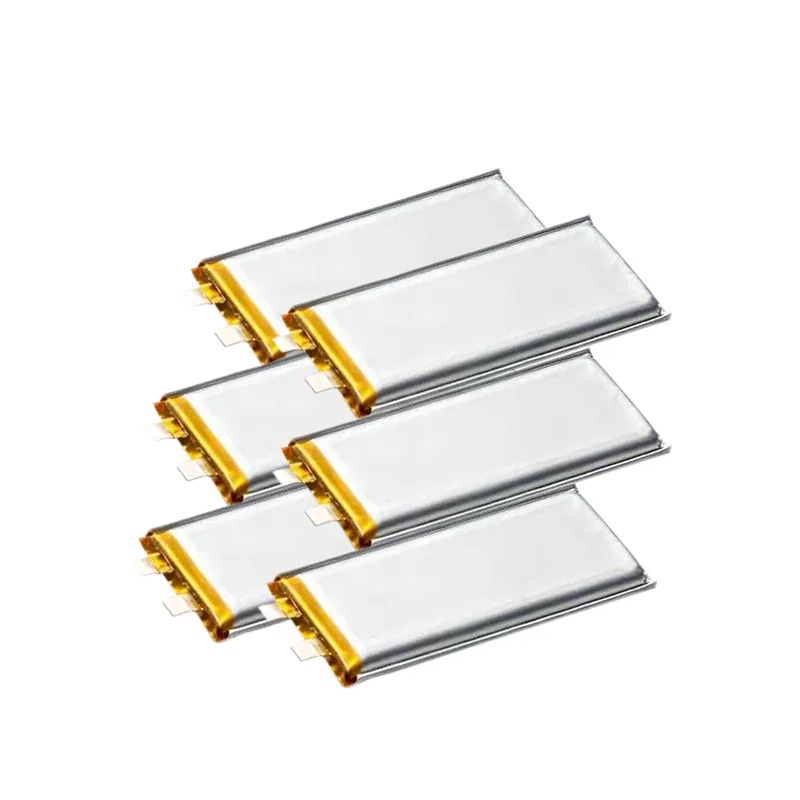
Cell Characteristics for UAV Battery Design
High-Rate Discharge
The cell supports a continuous discharge range of 10C–25C, making it suitable for battery designs that require relatively high current output. The appropriate discharge specification depends on the UAV's propulsion system and the required operating load.
220–245Wh/kg Energy Density
The specified energy density range provides a reference for battery designers evaluating the relationship between stored energy and cell weight. Actual pack-level energy density will vary because the finished battery also includes wiring, protection components, structural materials, connectors, and other components.
Batch-Matched Electrical Characteristics
The specified internal resistance is ≤2mΩ with batch matching. Capacity and internal resistance are important characteristics when multiple cells are combined into a battery pack, as significant variation between cells can affect pack consistency.
Flexible Pouch Format
The pouch-cell structure allows customization of dimensions, thickness, capacity, and terminal configuration. This gives battery designers more flexibility when the cell must fit a dedicated battery enclosure or compact UAV structure.
Defined Cycle-Life Test
The cell is specified for 800 cycles to 80% of initial capacity under the stated test conditions of 25°C±2°C, 1C charge, 2C discharge, and 100% DOD. Actual cycle life depends on charging conditions, discharge current, temperature, storage, and depth of discharge.
Applications
UAV Battery Packs: High-rate output and customizable capacity make the cells suitable for agricultural, inspection, mapping, cargo, and other industrial UAV battery designs.
Robotics and AGVs: The cells can be configured for robotic platforms requiring defined capacity, discharge characteristics, and mechanical dimensions.
Medical Equipment: The pouch-cell format can be considered for portable medical or diagnostic equipment where battery dimensions and electrical characteristics need to fit the device design.
Industrial Equipment: Custom cell dimensions, capacity, thickness, and discharge rate provide flexibility for application-specific battery systems.
Why Choose YIHANG
YIHANG provides LiPo pouch cells for customers developing complete UAV batteries and other application-specific power systems. Cell parameters can be considered at the early design stage instead of treating the cell as a fixed component after the battery structure has already been defined.
The available platform covers 12000–40000mAh single-cell capacity, 10C–25C continuous discharge, and 220–245Wh/kg energy density. Dimensions, thickness, shape, terminal type, and other cell parameters can be customized according to the required design.
For multi-cell battery projects, cell matching can be incorporated into the production process. This provides a more consistent starting point for pack assembly and helps battery developers control variation between cells.
Cell-level UN38.3, MSDS, and applicable export documentation are available for relevant configurations and shipments.
Cell Customization
Cell customization is useful when an off-the-shelf battery cell does not match the required enclosure or electrical load. YIHANG supports adjustments to cell size, shape, thickness, capacity, discharge rate, and terminal type.
For UAV applications, the cell specification can be selected according to required pack voltage, current demand, target battery capacity, available installation space, and expected operating conditions. The final cell specification should be evaluated together with the complete battery-pack design.
Quality Control and Cell Matching
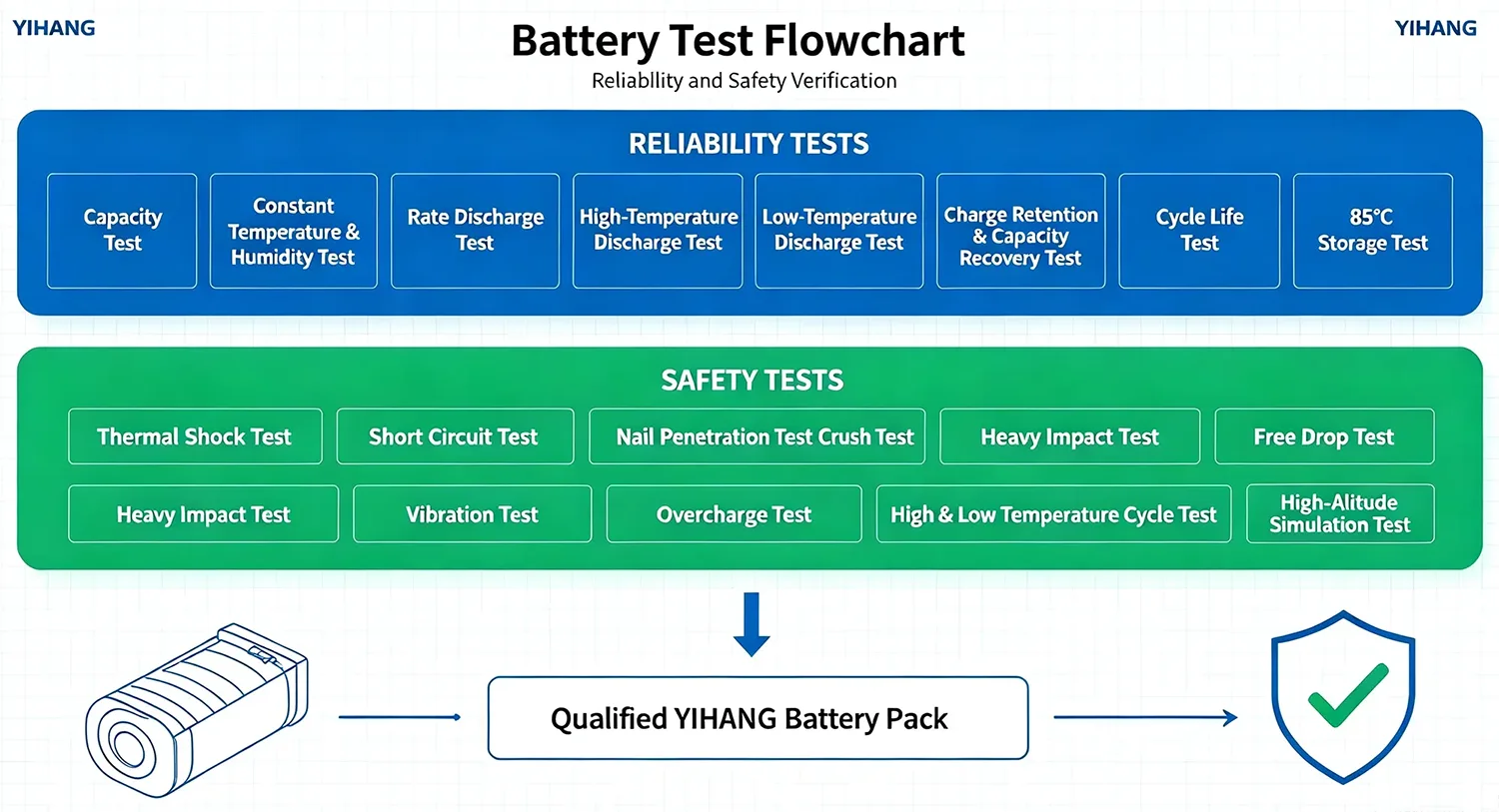
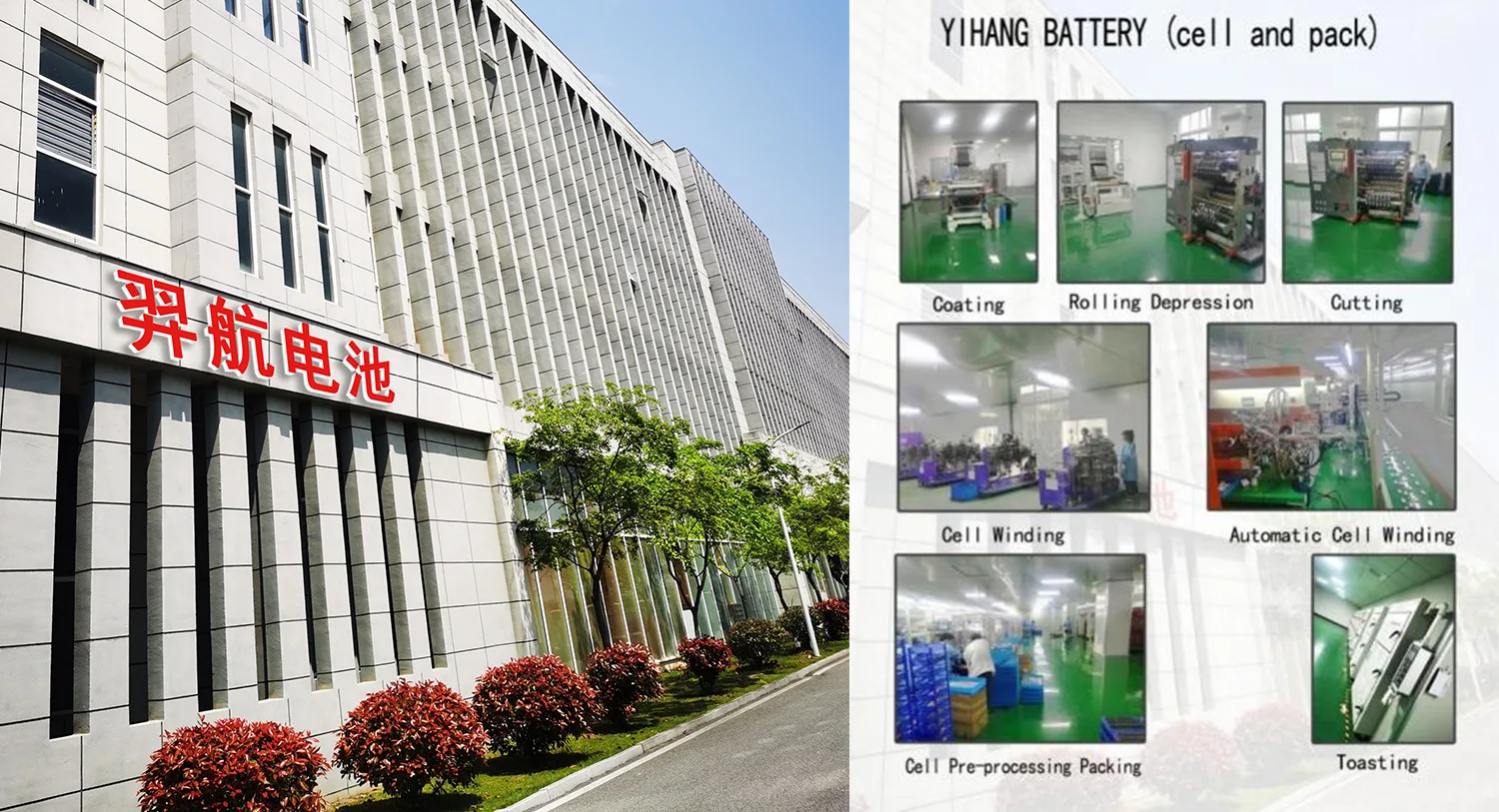
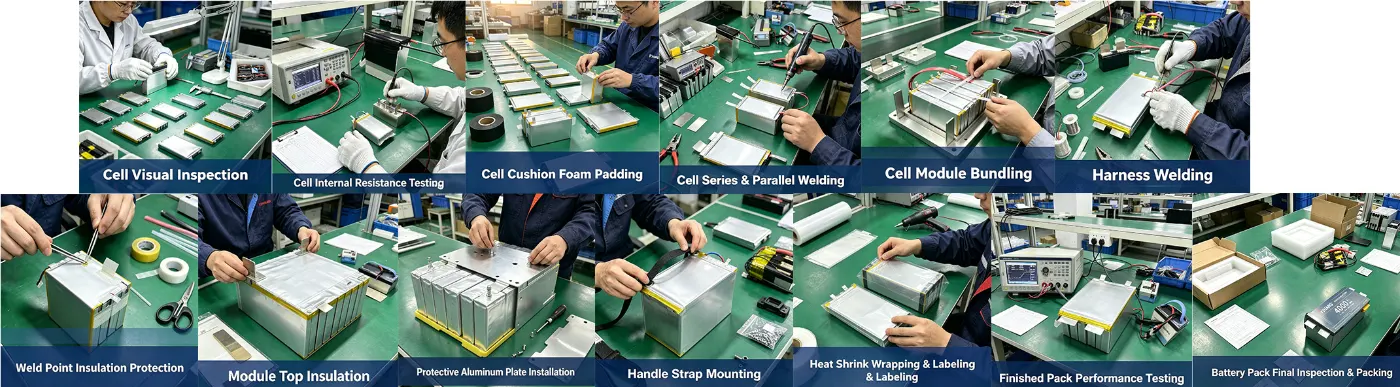
Cell consistency is particularly important when several cells are connected to form a battery pack. YIHANG checks key electrical characteristics such as capacity and internal resistance and can perform batch matching before cells are assembled into the final pack.
The purpose of matching is to reduce unnecessary variation between cells used in the same battery. Final pack performance still depends on the pack architecture, connections, charging system, BMS configuration, and operating conditions.
FAQ
Q1: What is a LiPo pouch cell?
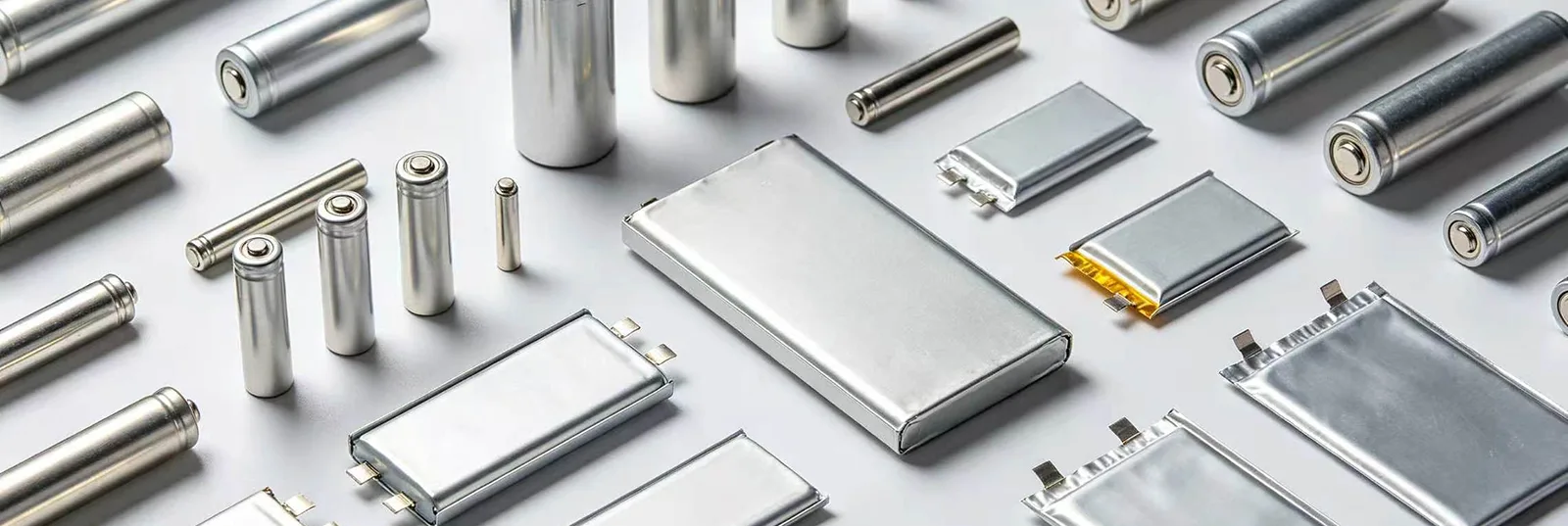
A LiPo pouch cell is a rechargeable lithium battery cell enclosed in a flexible pouch. Compared with rigid cell formats, the pouch structure allows more flexibility in dimensions and thickness, which can be useful when designing compact or application-specific battery packs.
Q2: What voltage does a YIHANG LiPo pouch cell provide?
The cell has a nominal voltage of 3.7V and a full-charge voltage of 4.2V. Multiple cells can be connected in series to create higher-voltage battery packs for UAV and other applications.
Q3: What capacity options are available?
YIHANG provides single-cell capacities from 12000mAh to 40000mAh as a reference range. Capacity can be customized according to the required battery design, dimensions, and application.
Q4: What does the 10C–25C discharge rating mean?
The C-rate indicates the maximum current relative to the cell's nominal capacity under the specified rating conditions. A higher C-rate allows the cell to support higher current demand, but the appropriate discharge rate should always be selected according to the cell design and actual operating conditions.
Q5: Why is internal resistance important for UAV battery cells?
Internal resistance affects voltage drop and heat generation when current passes through the cell. Lower and more consistent internal resistance can be beneficial in multi-cell battery packs, particularly when the UAV requires relatively high current output.
Q6: Can the LiPo pouch cell be customized for a specific battery pack?
Yes. YIHANG supports customization of size, shape, thickness, capacity, discharge rate, and terminal type. The cell can be developed according to the mechanical and electrical requirements of the target battery pack.
Q7: How does cell matching help a battery pack?
Cell matching groups cells with similar electrical characteristics, such as capacity and internal resistance. This helps reduce variation among the cells connected within the same battery pack and provides a more consistent starting point for pack assembly.
Q8: Can these LiPo pouch cells be used outside UAV applications?
Yes. The listed applications include UAVs, robotics, AGVs, medical devices, and other industrial equipment. The appropriate cell configuration depends on the required current, capacity, operating temperature, mechanical dimensions, and duty cycle of the device.
Hot Tags: LiPo Pouch Cell for Drone Battery
Related Category
Send Inquiry
Please Feel free to give your inquiry in the form below. We will reply you in 24 hours.