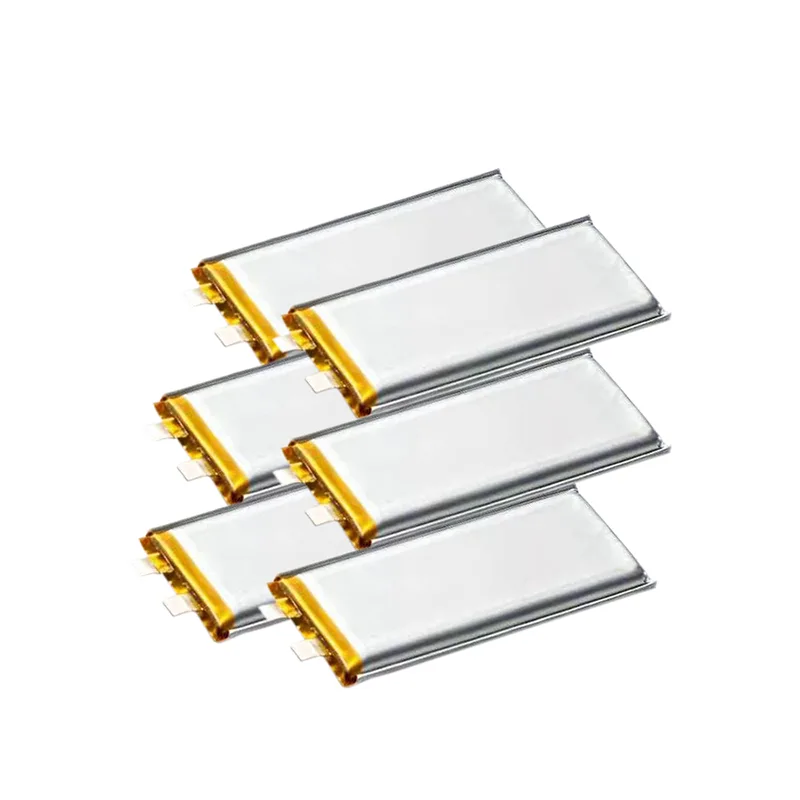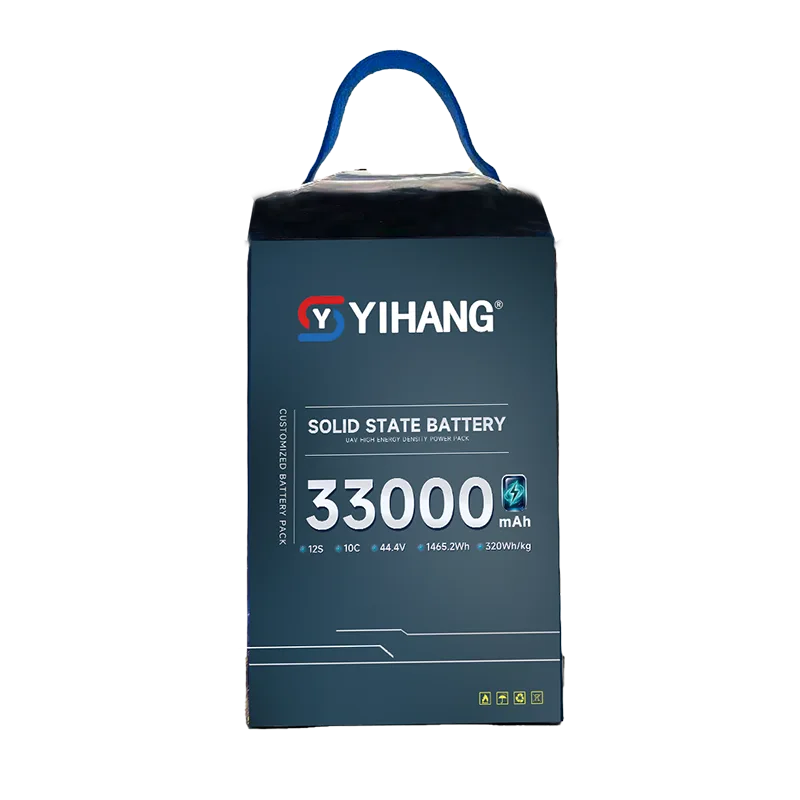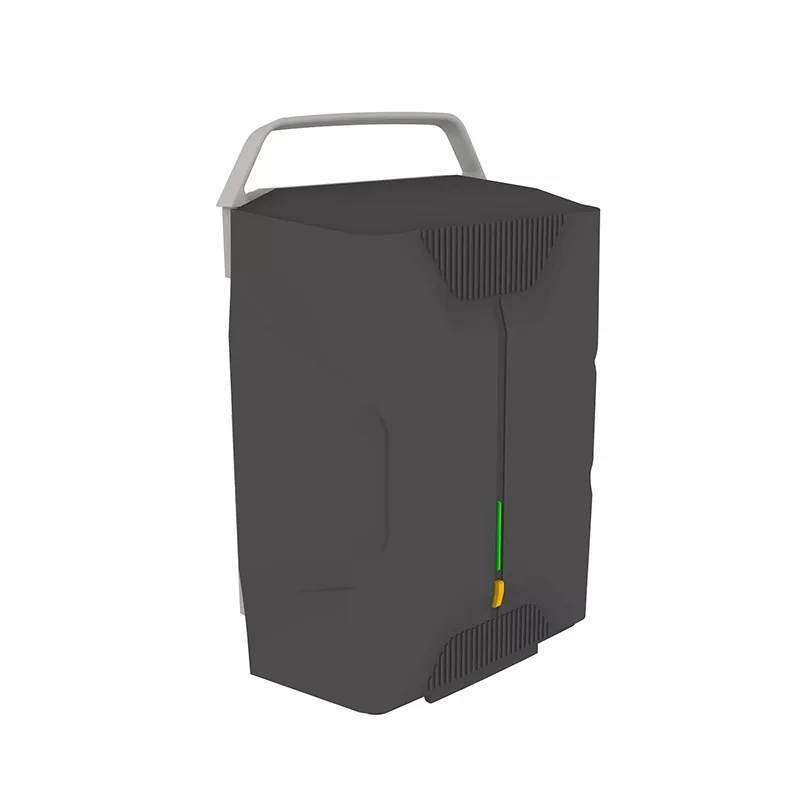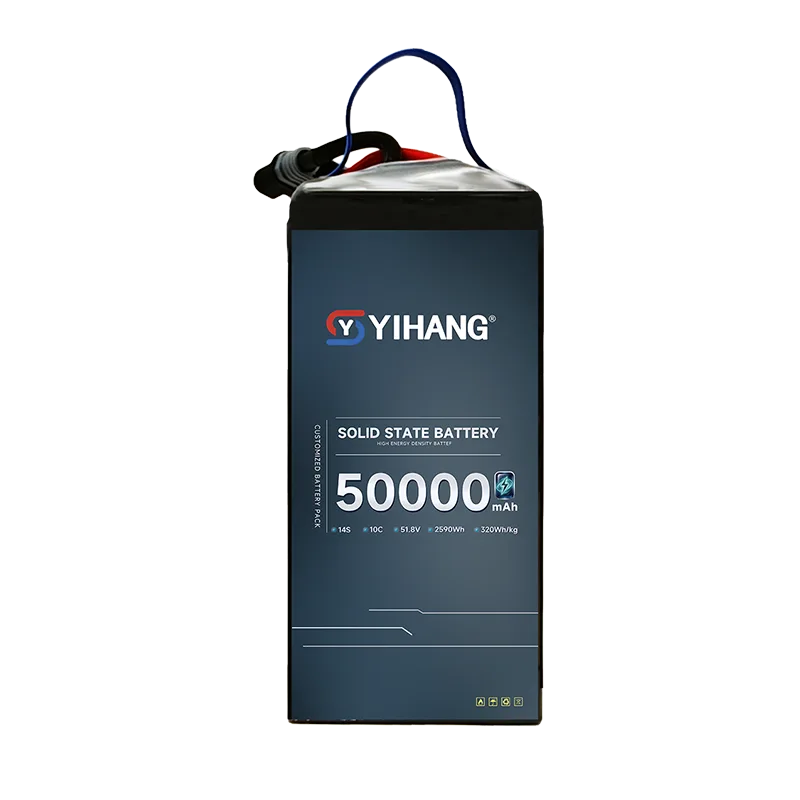
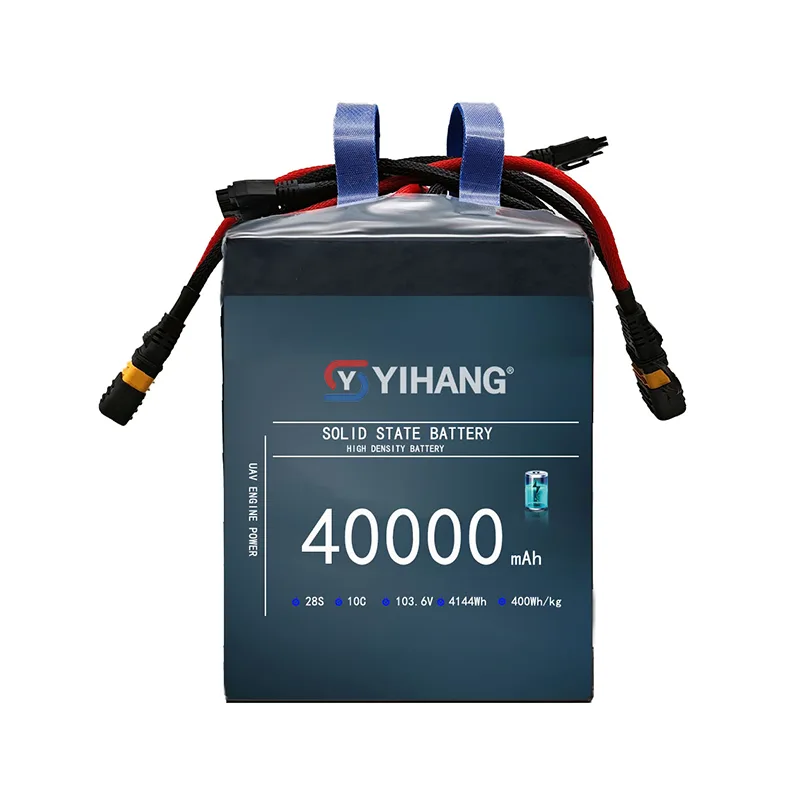
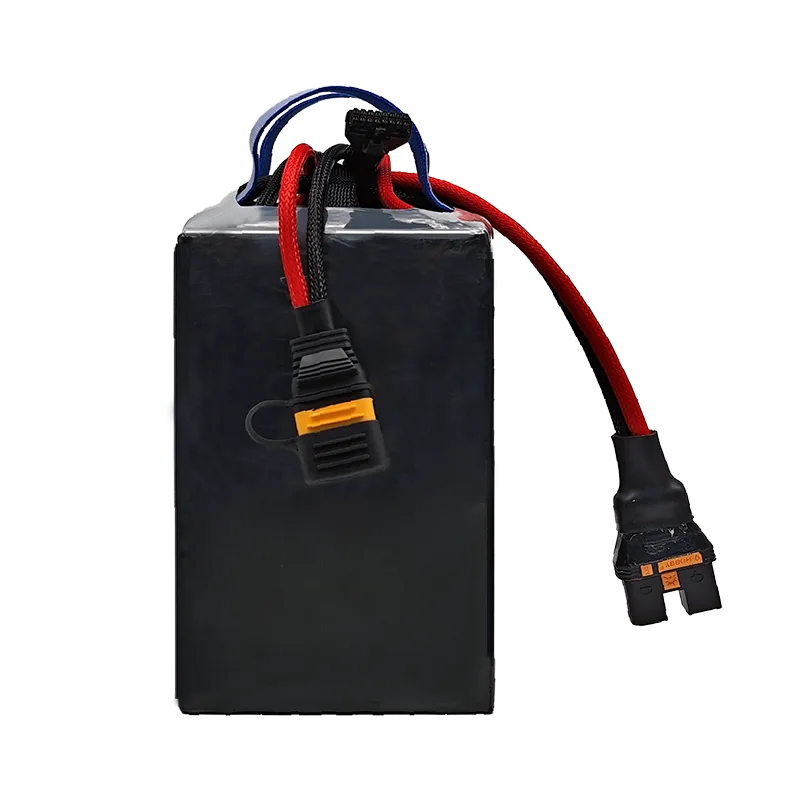
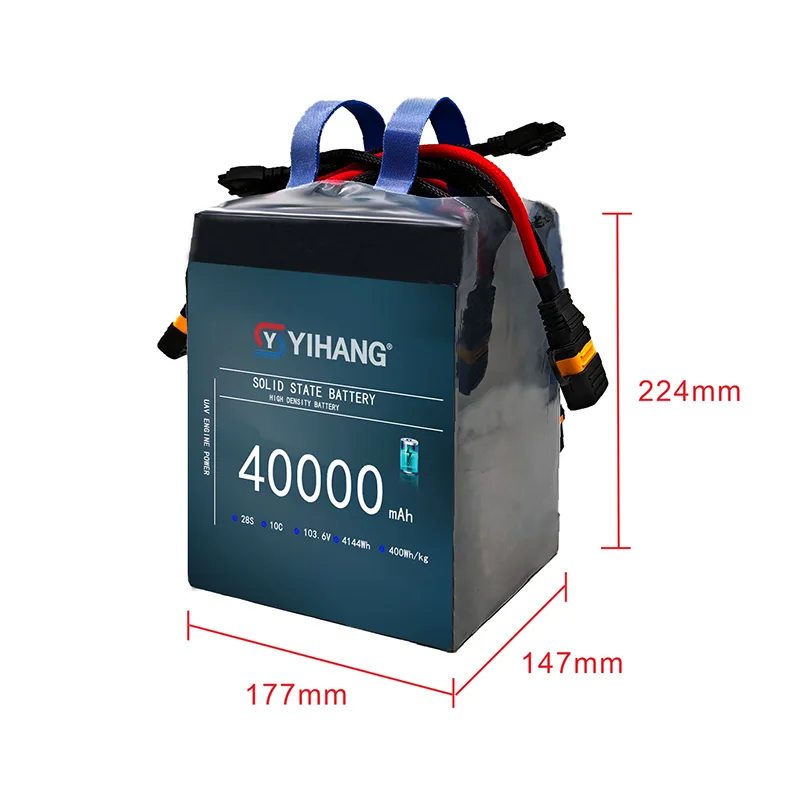
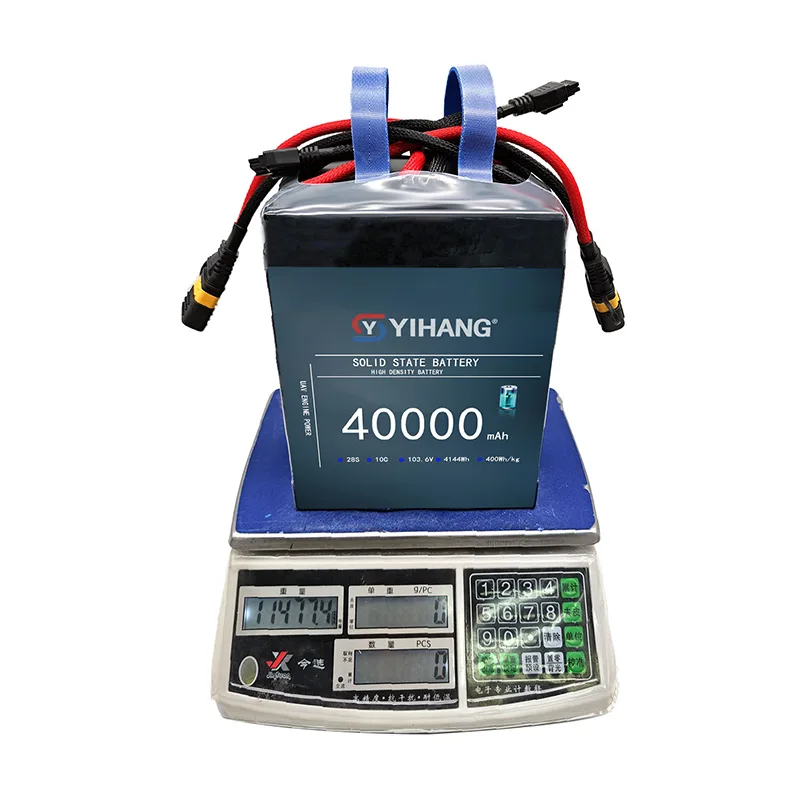
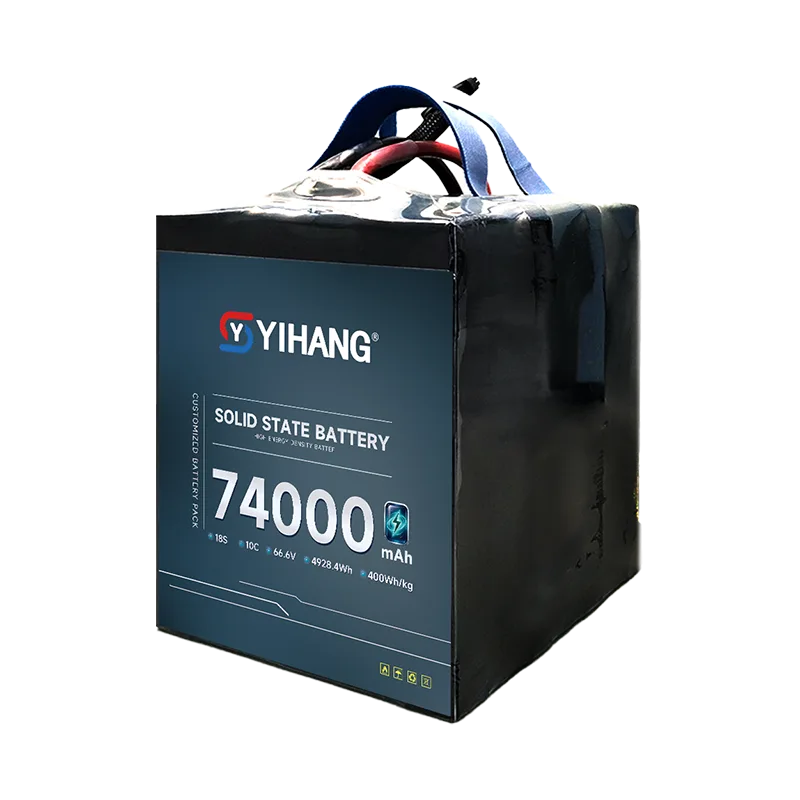
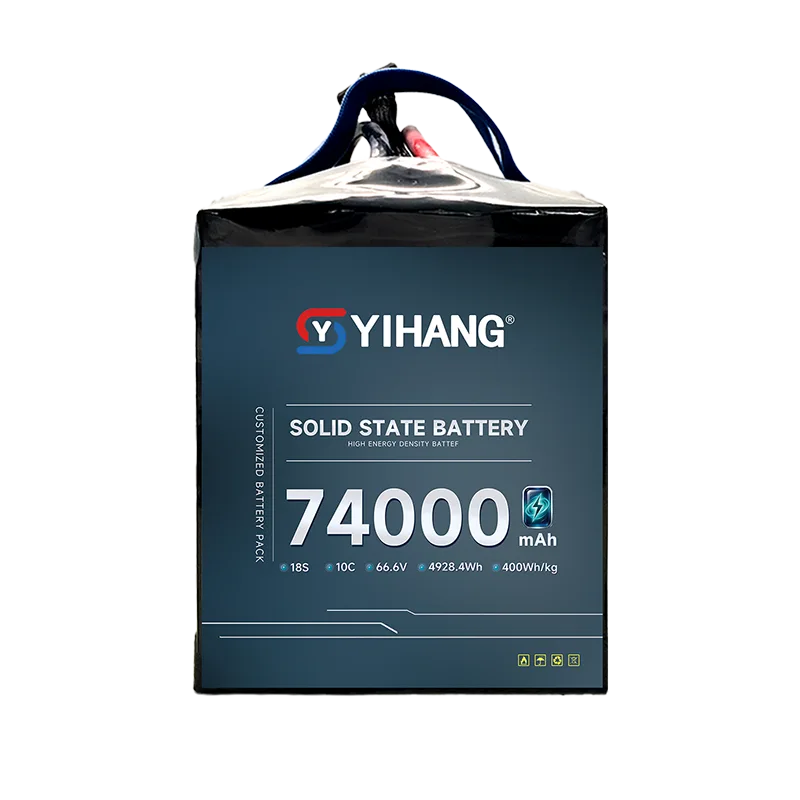
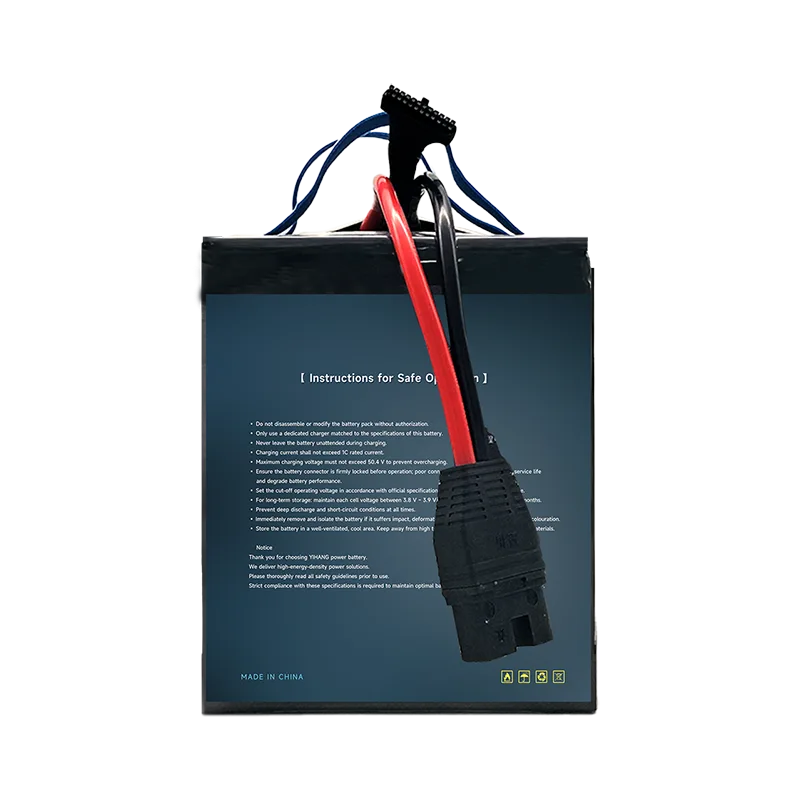
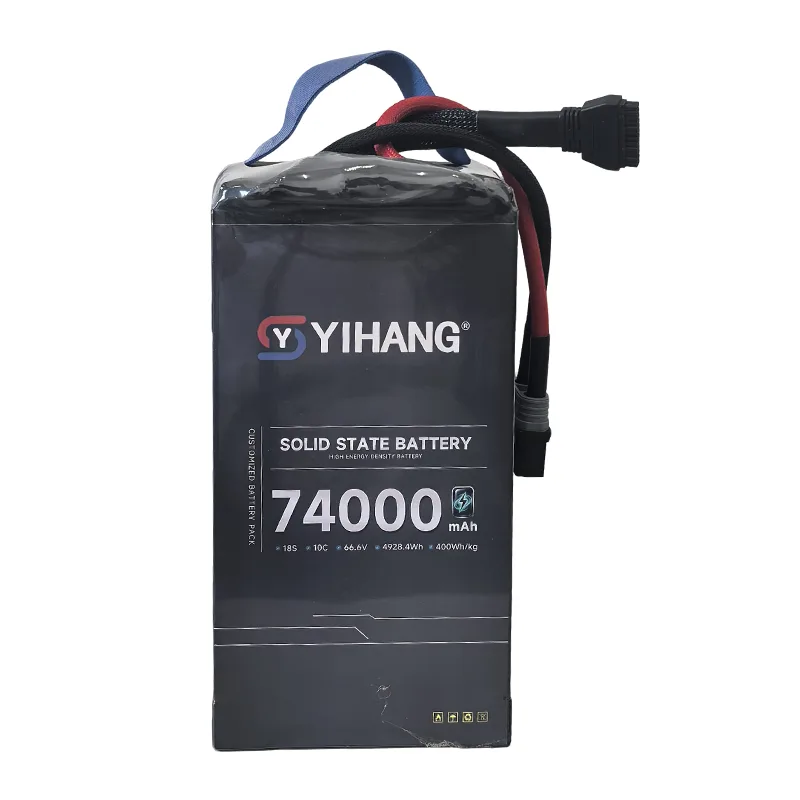
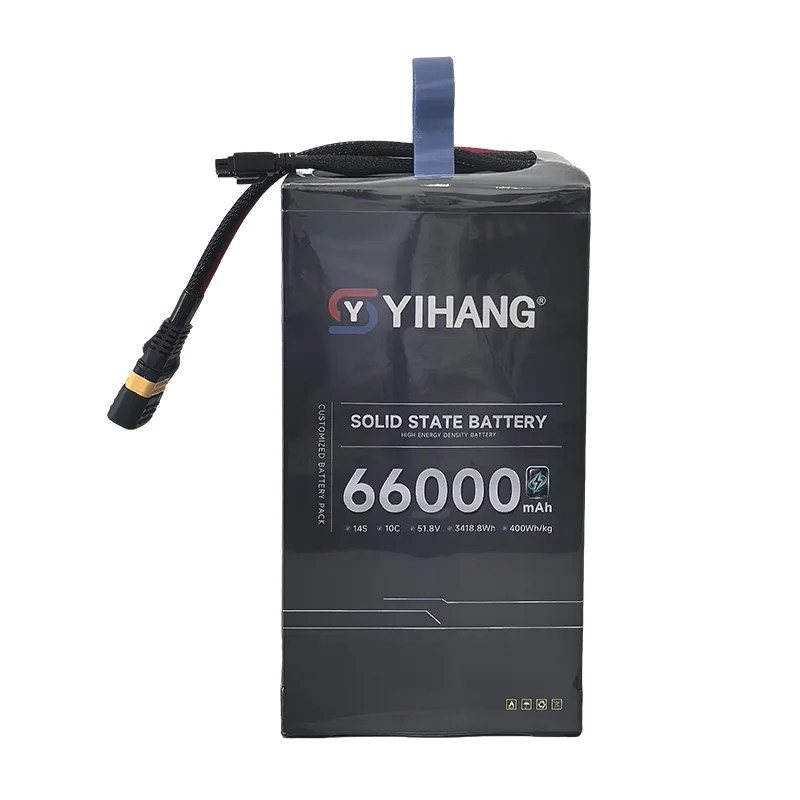
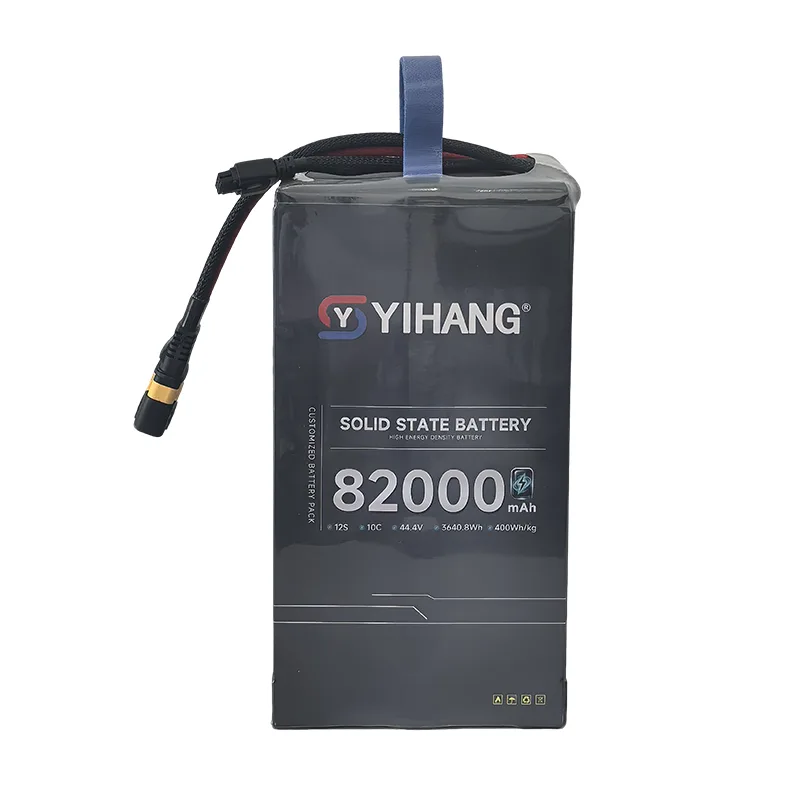
Ultra High Energy Density Drone Battery
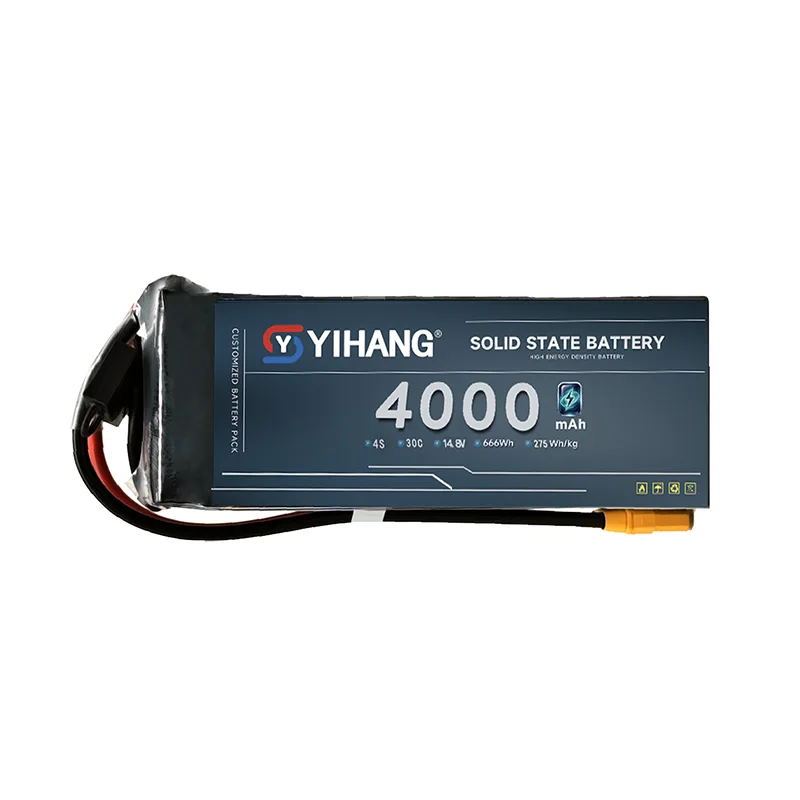
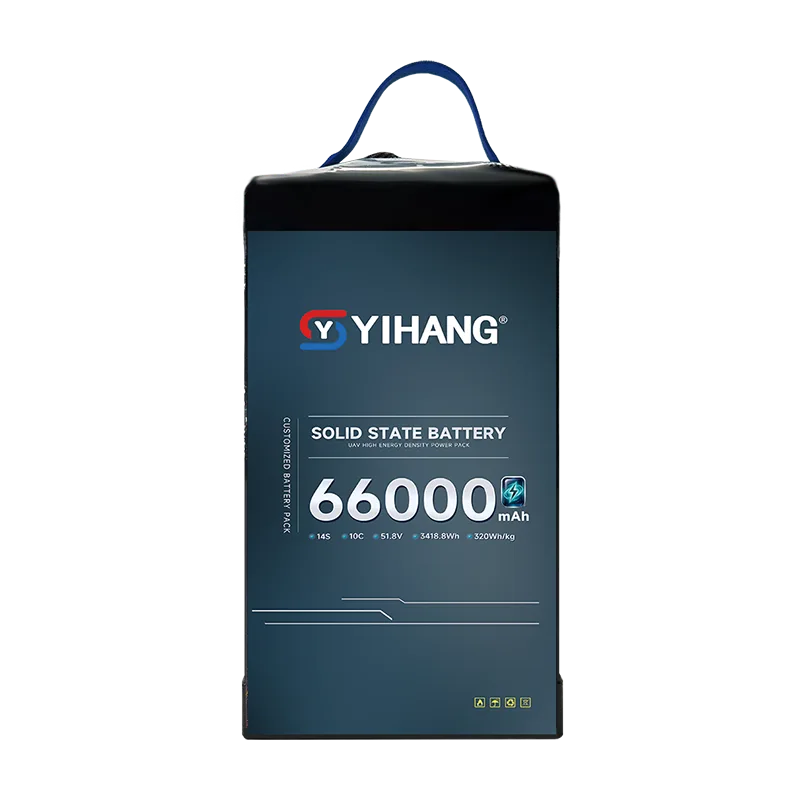
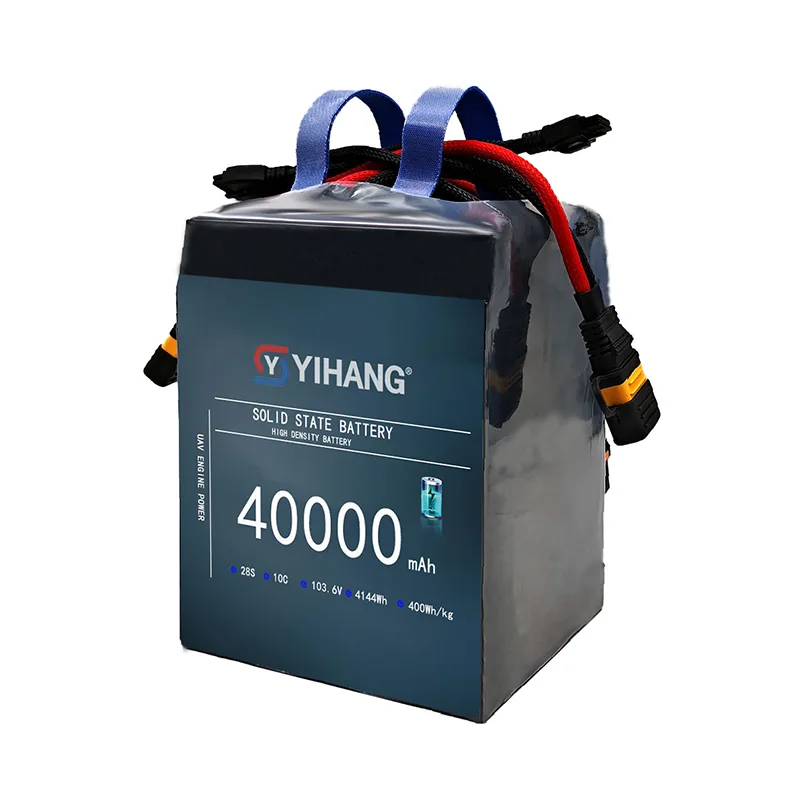
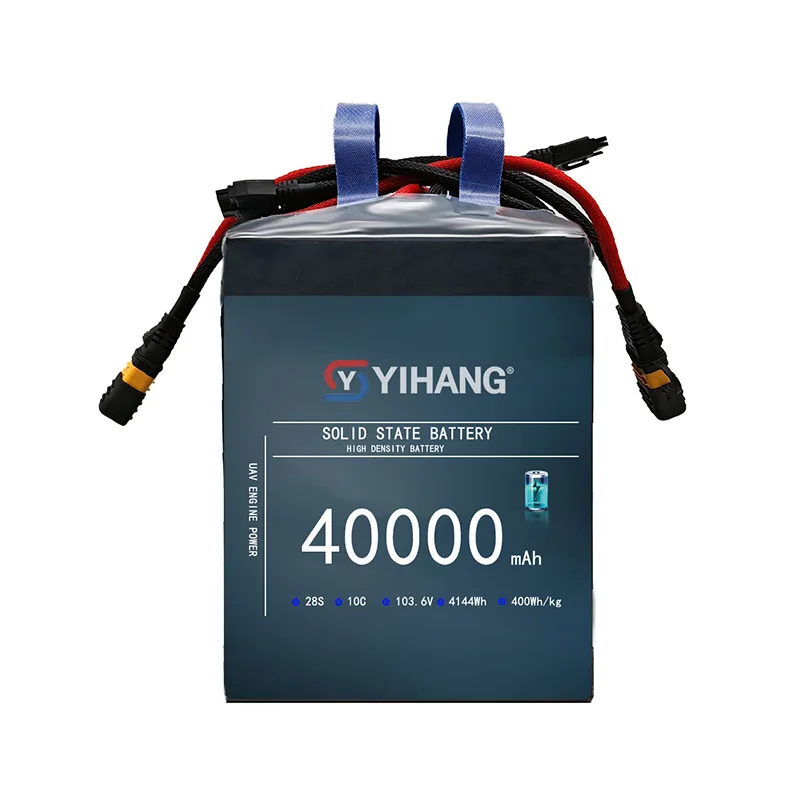
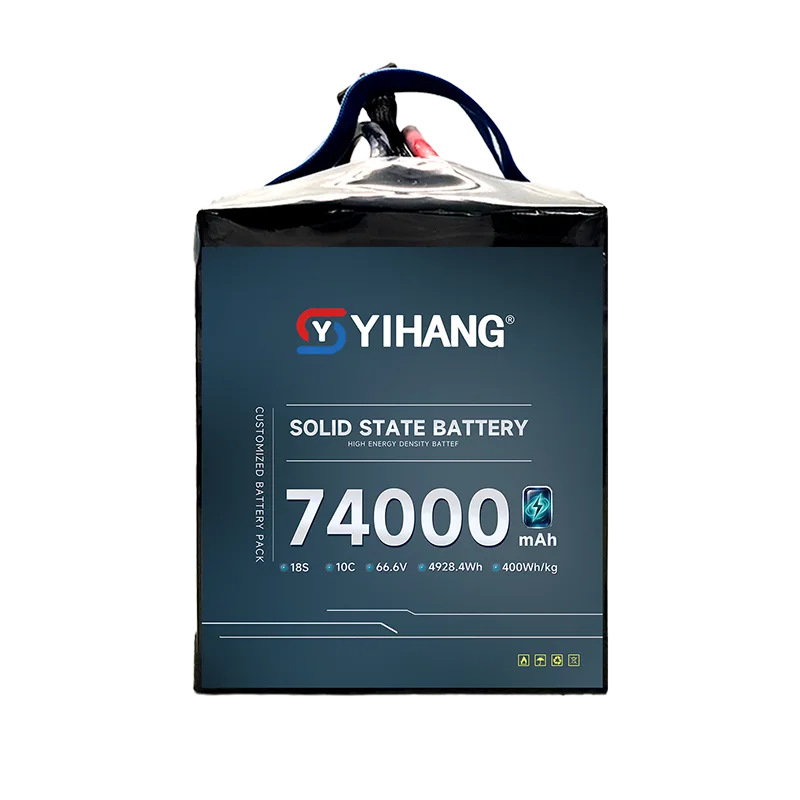
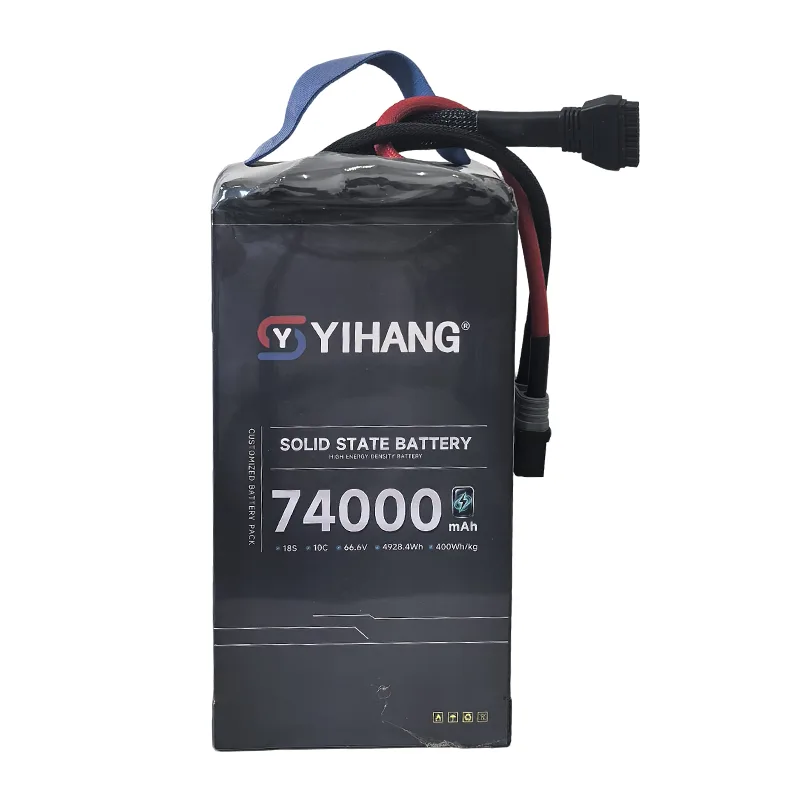
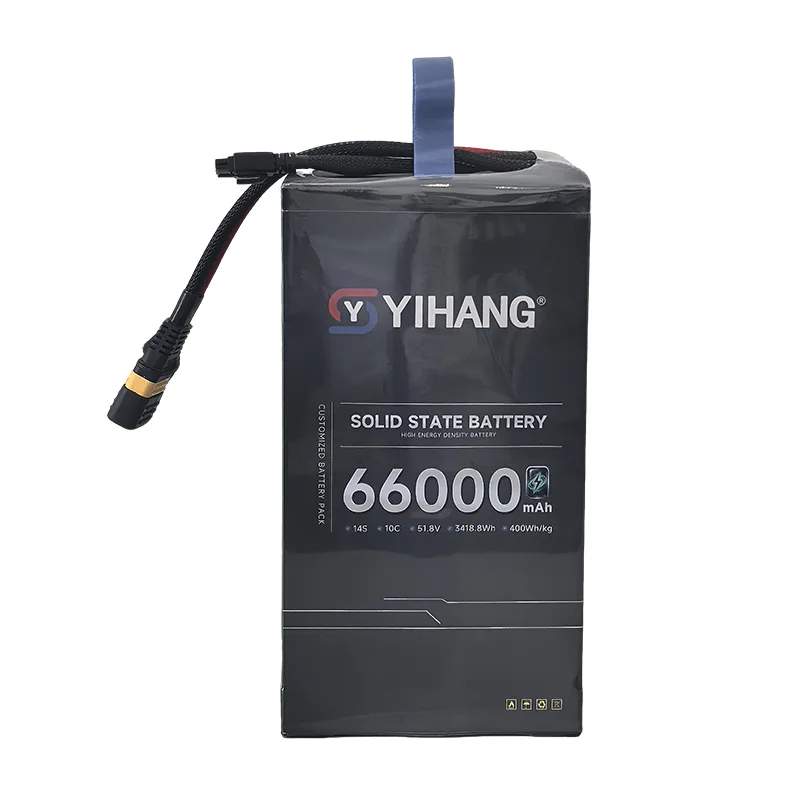
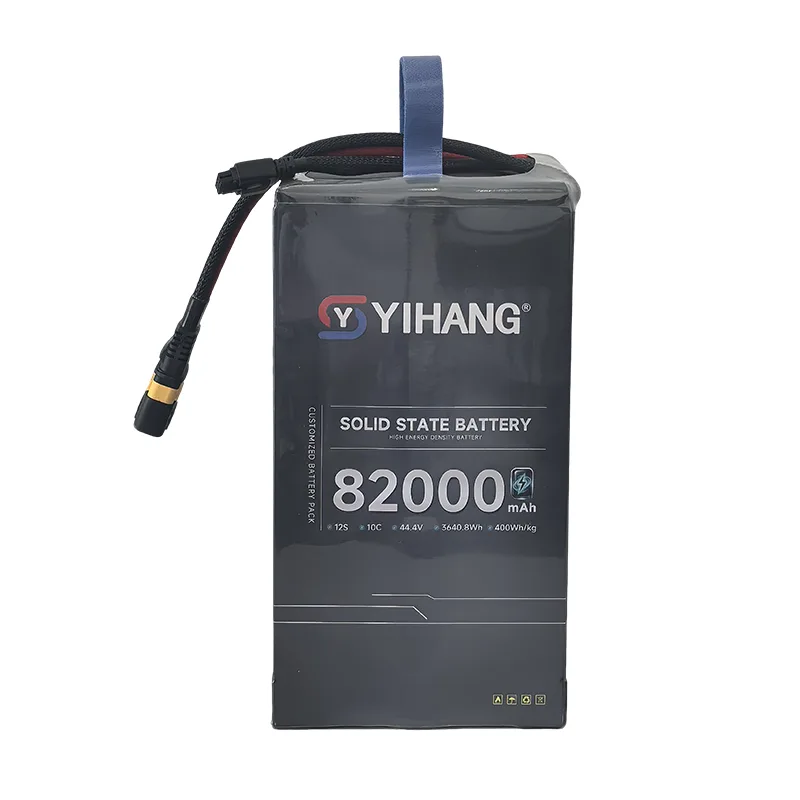
YIHANG is a China-based manufacturer of Ultra High Energy Density Drone Battery for industrial UAVs requiring longer flight time, stable power delivery and customized battery integration. With energy density of up to 300–380 Wh/kg, configurable voltage, capacity, C-rate, connectors and CAN / RS485 BMS communication, this battery supports surveying, inspection, agricultural, heavy-lift and other professional drone applications. Performance depends on the final configuration and test conditions.
Send Inquiry
Product Description
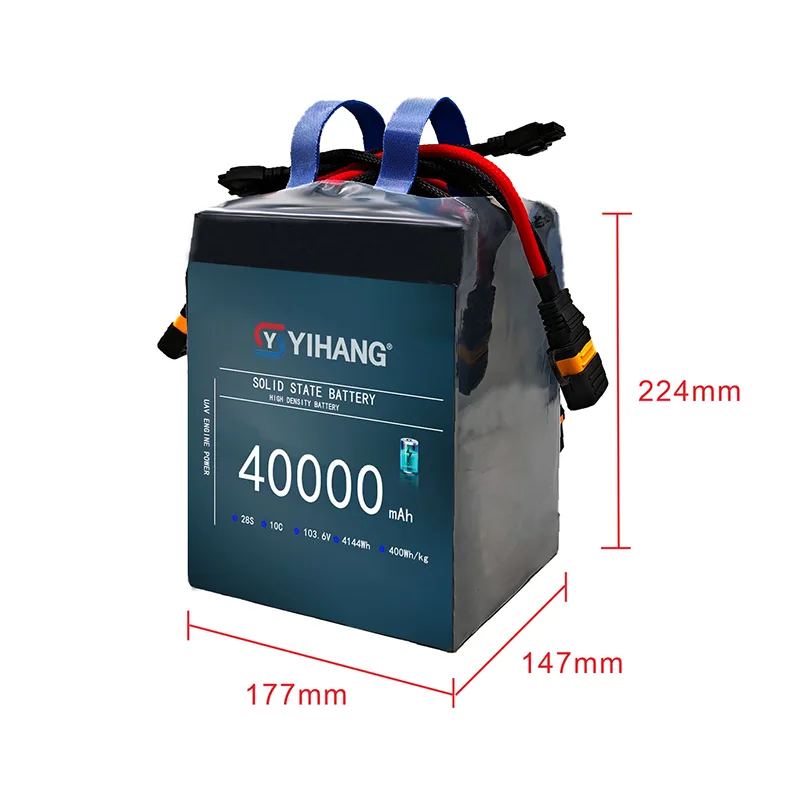
YIHANG supplies the Ultra High Energy Density Drone Battery for industrial UAVs that need to increase available flight energy without proportionally increasing battery weight. The battery combines high-energy-density cells with application-based pack design and configurable battery management, allowing the voltage, capacity, dimensions, C-rate, connectors, and BMS functions to be matched to the aircraft's propulsion system, payload, battery compartment, and mission profile.
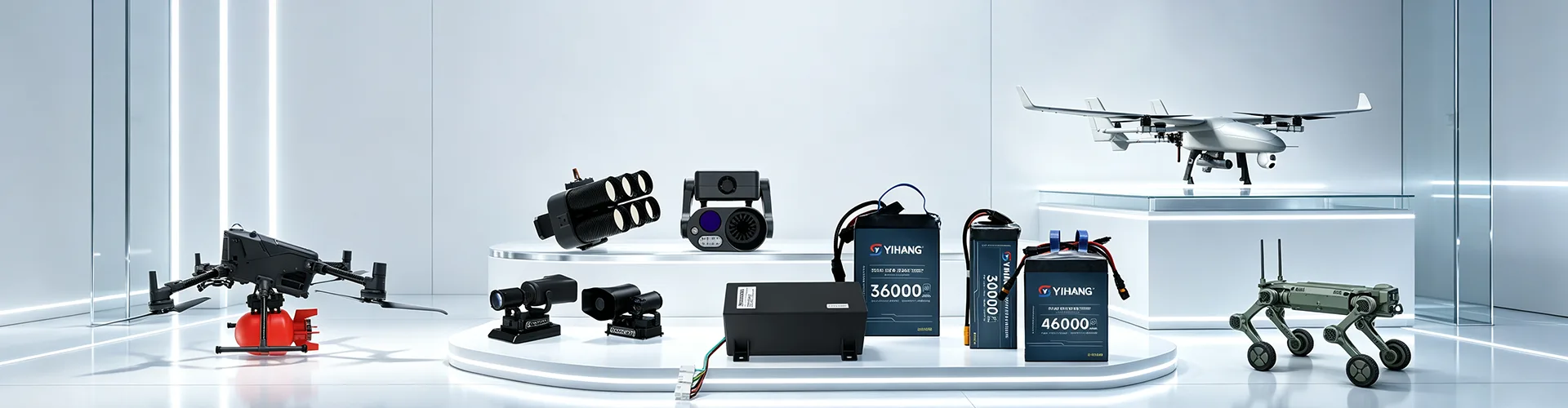
The battery is suitable for UAVs used in inspection, mapping, surveying, agriculture, heavy-lift operations, and other applications where battery weight and available energy directly affect flight planning. Customized configurations can be developed for prototype evaluation and production applications.
Battery Parameter
|
Item |
Parameters |
|
Product Name |
Ultra High Energy Density Drone Battery |
|
Energy Density |
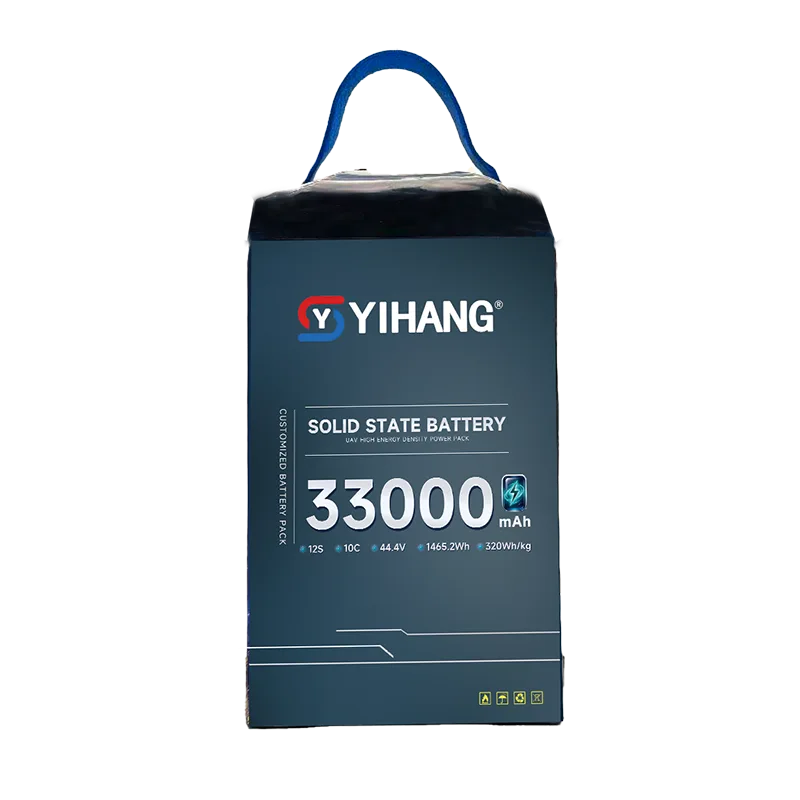
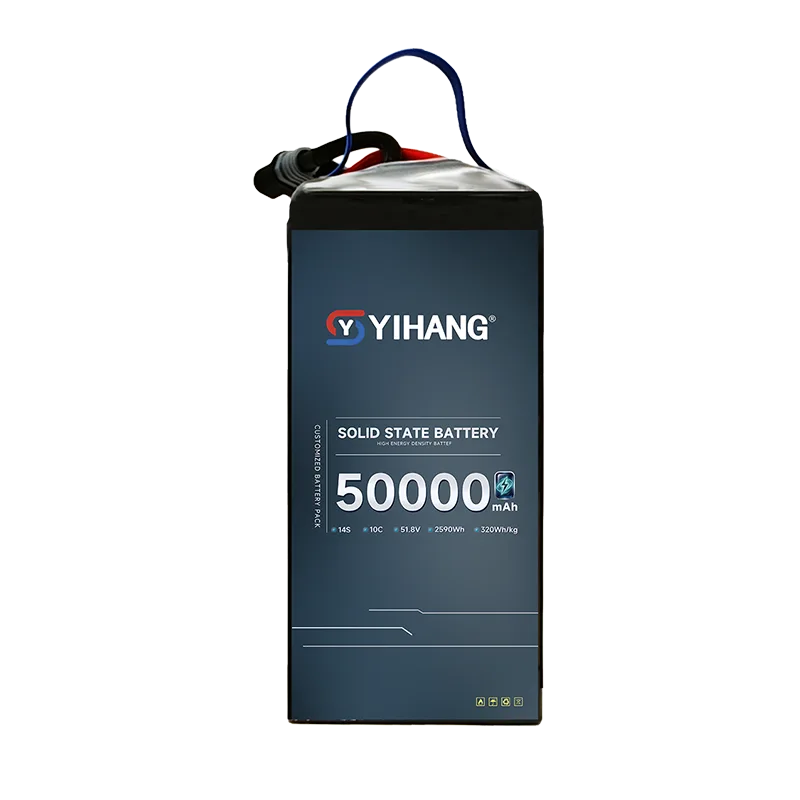
300–380Wh/kg (customizable) |
|
Nominal Voltage |
Customizable (6S / 12S / 14S / 16S / 18S / 24S / 28S) |
|
Capacity Range |
Fully customizable (based on drone configuration) |
|
Cycle Life |
800 cycles (to 80% initial capacity, tested at 25°C±2°C, 1C charge / 2C discharge, 100% DOD) |
|
Working Temperature |
-20°C to 60°C |
|
BMS Function |
Full safety protection, RS485/CAN communication, real-time monitoring |
|
Export Certifications |
UN38.3, MSDS, CE, RoHS (custom certification support available) |
|
Available Custom Service |
Customized energy density, voltage, capacity, size, C-rate, BMS parameters, and connectors |
|
Warranty |
1 year quality warranty under regular operation |
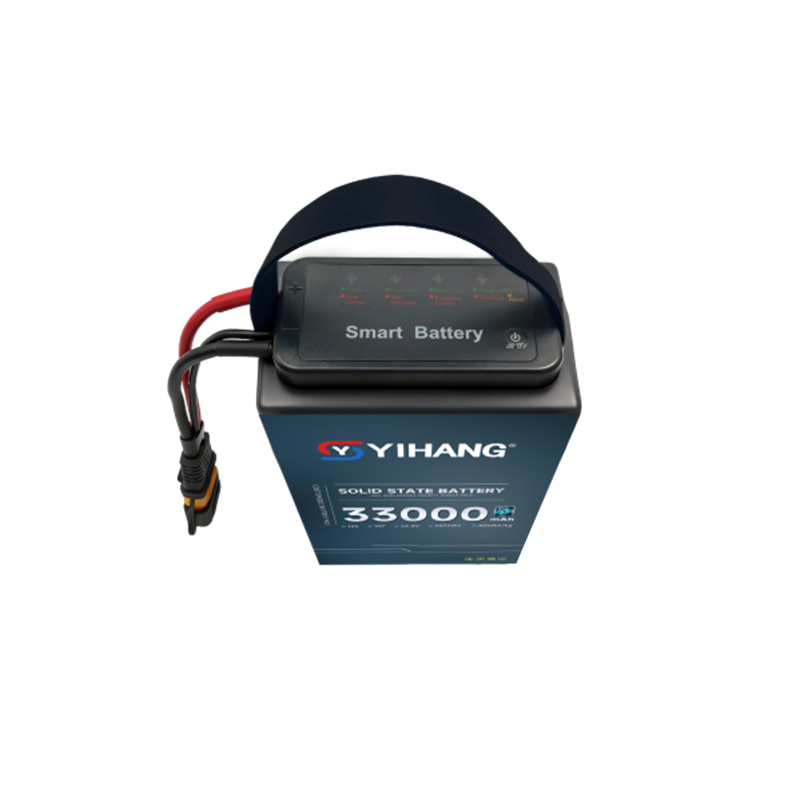
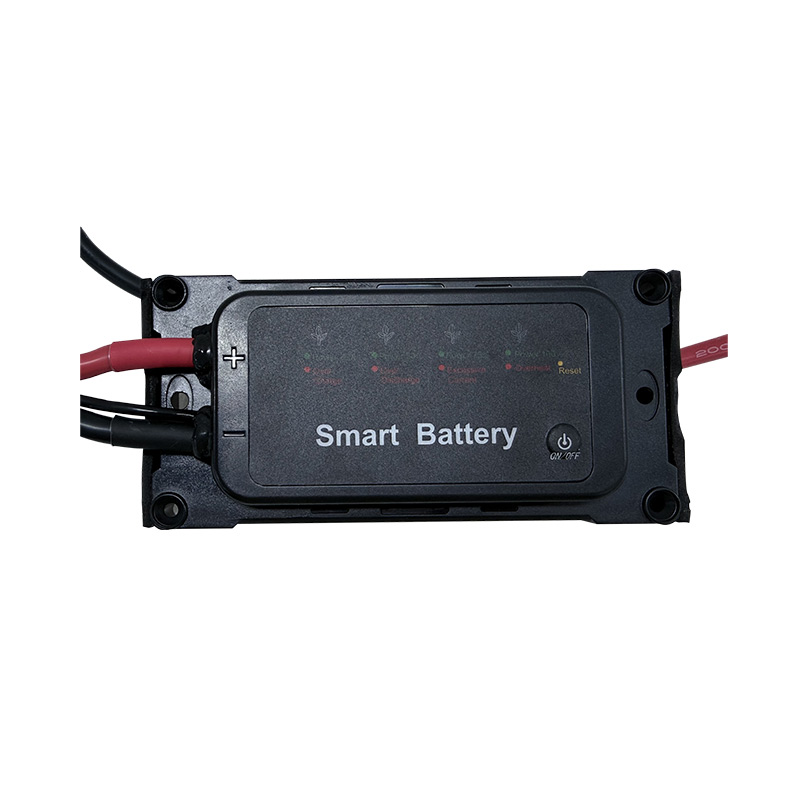
Built-in Smart BMS with LED Indicator Panel — Real-time Monitoring, Multi-layer Protection, and Full Lifecycle Data Management.
|
POUCH CELL OPTIONAL |
||
|
Number |
BMS Function |
Description |
|
1 |
Smart SOC Indication |
Four high-brightness LEDs auto-detect charge/discharge status for real-time SOC display. When powered off, short-press the button; LEDs show SOC for ~2s then turn off. |
|
2 |
Battery Life Reminder |
At preset cycle count, all SOC LEDs turn red for mid-end-life warning; use cautiously |
|
3 |
Smart Charge Alarm |
Monitors charging status in real-time; triggers alarm for over-voltage, over-current and over-temperature. |
|
4 |
Smart Storage |
Activates automatically for long-term idle storage at high SOC; discharges to storage voltage for safe preservation. |
|
5 |
Auto-Sleep |
Auto-sleep power-off when idle: 3-min delay at high SOC, 1-min delay at low SOC to conserve power. |
|
6 |
Firmware upgrade |
Supports firmware upgrade via USB port connected to PC. |
|
7 |
Data Communication |
Supports USB-Serial, WIFI and CAN interfaces. Retrieve real‑time battery data (voltage, current, cycle count) via USB-Serial/WIFI; CAN interfaces with flight controller for data exchange. |
|
8 |
Battery Logging |
Stores full-life battery logs including cell voltage, current, temperature, cycle count and fault events; viewable via PC or mobile device. |
|
9 |
Smart Balancing |
Built-in auto balancing; manual trigger available for large cell voltage gap, keeps cell voltage difference within 20mV. |
What Is an Ultra High Energy Density Drone Battery?
An Ultra High Energy Density Drone Battery is designed to store more energy within a given battery weight or installation space. For industrial UAVs, this can help balance flight endurance, payload requirements, and battery weight when compared with lower-energy-density battery configurations.
The final energy density, voltage, capacity, and discharge characteristics depend on the selected cell system and battery configuration. For this reason, battery selection should be based on the UAV's propulsion requirements, payload, available installation space, and expected flight profile.
Product Advantages
High Energy Density
The battery provides an energy-density range of 300–380Wh/kg according to the specified configuration. Higher specific energy can help increase available battery energy while keeping battery weight within the aircraft's design limits.
More Usable Energy Within a Controlled Weight
For UAVs with strict weight limits, battery capacity cannot be increased without considering the additional pack weight. A higher-energy-density configuration provides more flexibility when balancing endurance, payload, and total aircraft weight.
Stable Power Output
The battery can be configured around the UAV's continuous and peak current requirements to support consistent power delivery during takeoff, climbing, hovering, and other changes in propulsion demand.
Configurable BMS and Communication
The integrated BMS supports battery protection and real-time monitoring, with CAN and RS485 communication available for compatible UAV control and monitoring systems. BMS parameters can be adjusted according to the application.
Wide Operating Temperature Range
The specified operating range is -20°C to 60°C. Actual operating performance depends on the selected battery configuration, load, charging conditions, and surrounding environment.
Flexible Battery Design
Voltage, capacity, dimensions, C-rate, connectors, and BMS parameters can be customized according to the UAV platform and battery compartment.
Product Applications
The Ultra High Energy Density Drone Battery is suitable for industrial UAV applications where battery weight, available energy, and flight duration need to be considered together.
Power and Wind Facility Inspection
High-energy battery configurations can support inspection UAVs carrying cameras, thermal sensors, and other equipment during extended flight routes.
Agricultural Spraying and Seeding
The battery can be configured for agricultural UAVs that require sufficient energy for repeated field operations while maintaining the aircraft's payload and weight requirements.
Heavy-Lift Cargo UAVs
Higher-capacity configurations can be developed for UAVs carrying cargo or equipment where battery weight needs to be considered alongside payload requirements.
Mapping and Survey UAVs
Suitable for mapping platforms carrying LiDAR, cameras, multispectral sensors, and other payloads that require longer operating periods.
Custom eVTOL and Industrial Aerial Platforms
Voltage, capacity, pack dimensions, discharge characteristics, and BMS functions can be configured for specialized UAV and eVTOL platforms.
YIHANG Battery Production and Integration
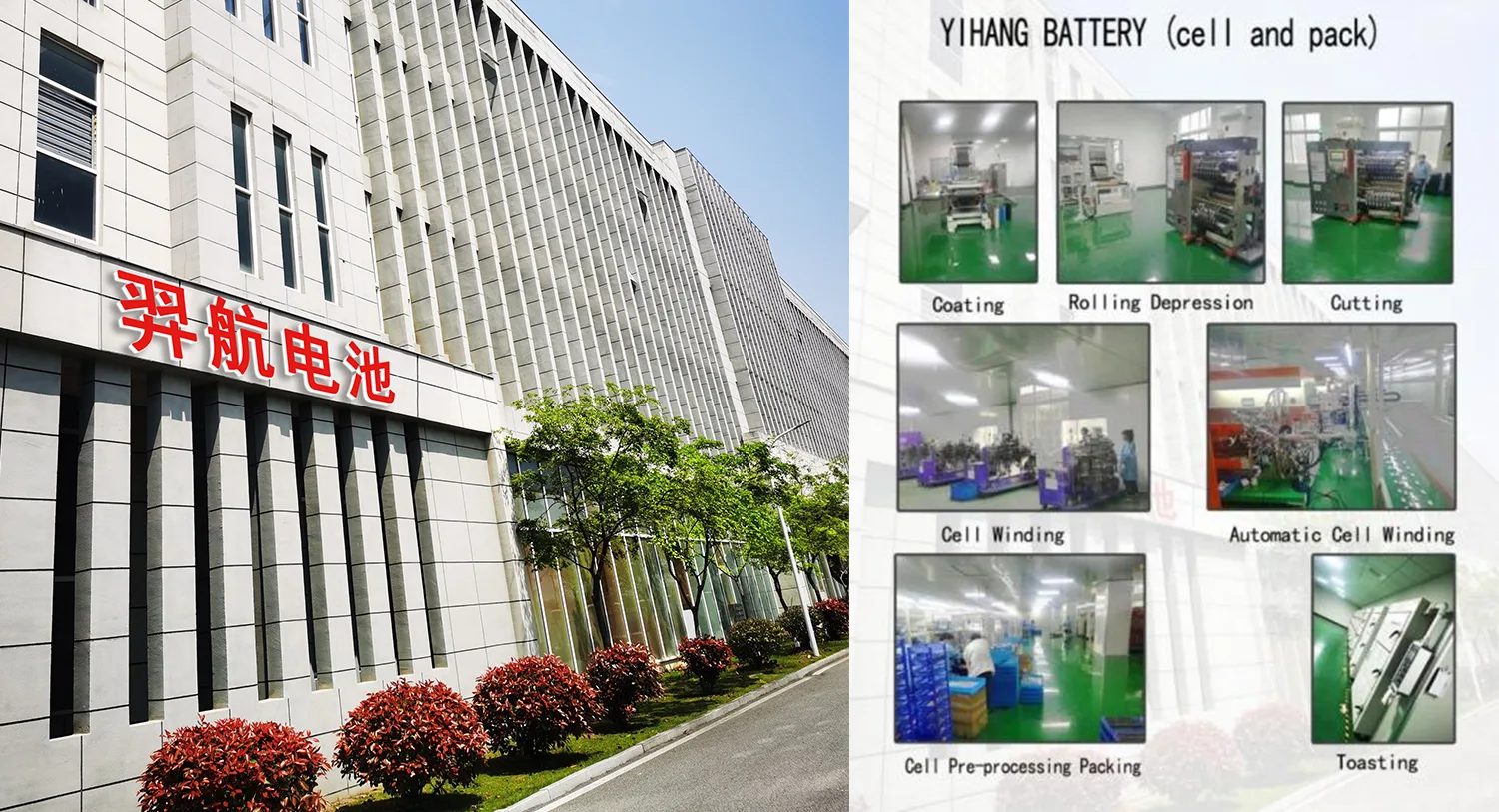
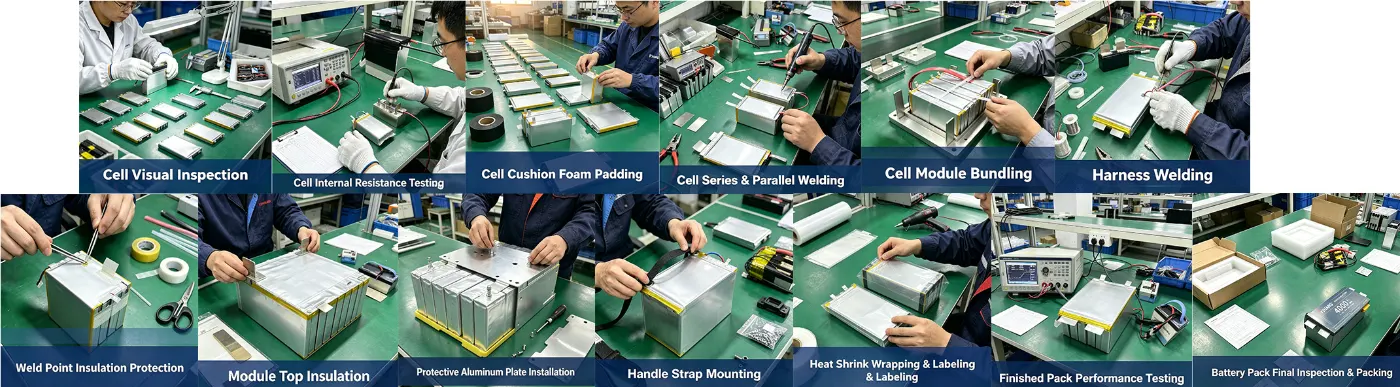
YIHANG develops customized UAV battery packs through cell selection, battery pack assembly, BMS integration, electrical testing, and final inspection. The battery configuration is selected according to the aircraft's voltage, capacity, current demand, available installation space, and operating conditions.
For customized projects, prototype packs can be produced for electrical and flight-system evaluation before production quantities are confirmed.
Custom Drone Battery Development Process
|
Stage |
Estimated Time |
What You Need to Do |
|
Requirement intake |
1–2 days |
Provide drone model, flight time target, payload weight, and battery bay dimensions |
|
Specification draft |
3–5 days |
Review and approve mechanical drawing, BMS parameters, and connector type |
|
Sample fabrication |
10–15 days |
We build 2–3 sample units per your spec |
|
Sample validation |
7–10 days |
Perform flight tests; we share test reports and flight logs |
|
Bulk production |
20–30 days |
Place PO; we provide weekly production updates |
|
Final QC & shipping |
3–5 days |
Full electrical test + visual inspection per unit; QC reports per batch |
Quality Control & Final Inspection
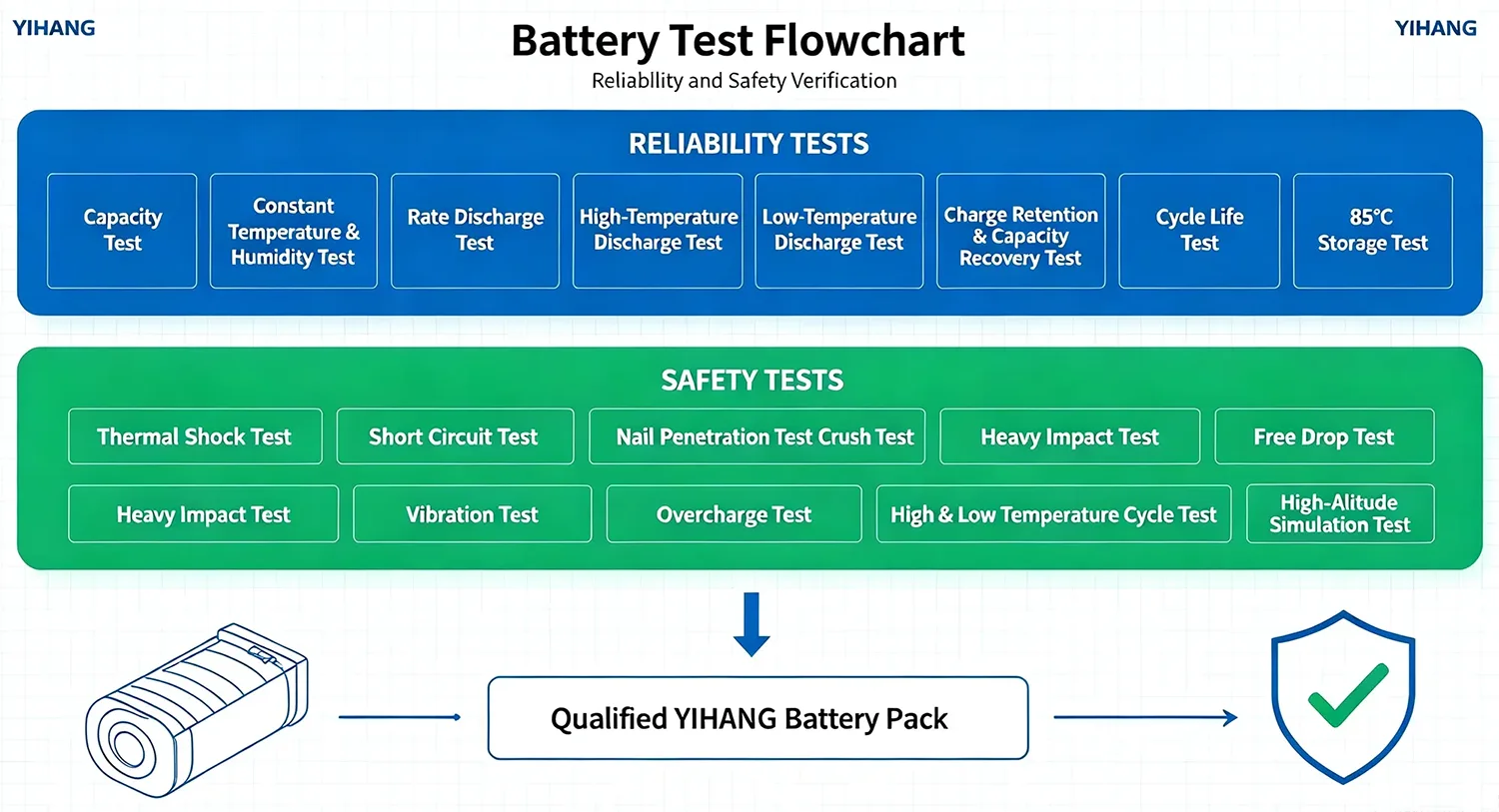
YIHANG checks the battery pack through defined inspection stages before shipment. Testing items are selected according to the confirmed battery configuration and project requirements.
Cell Inspection
Cell voltage, capacity, internal resistance, and other relevant electrical characteristics are checked according to the battery specification.
Pack Assembly Inspection
Cell connections, insulation, wiring, connectors, and BMS installation are inspected during battery assembly.
Charge and Discharge Testing
Battery voltage, capacity, charging performance, and discharge characteristics are checked against the approved technical requirements.
BMS Testing
Where a BMS is included, protection functions, monitoring functions, and CAN/RS485 communication are checked according to the configured requirements.
Final Inspection
Each finished battery pack undergoes final electrical and visual inspection before shipment.
Why Choose YIHANG
Application-Based Battery Development
YIHANG develops battery configurations according to UAV payload, propulsion requirements, battery space, and mission profile rather than using a single fixed pack specification.
High Energy Density Options
Configurations with energy density up to 300–380Wh/kg are available according to the applicable battery design and cell configuration.
Integrated BMS Options
BMS functions including battery protection, monitoring, and CAN/RS485 communication can be configured for compatible UAV systems.
Prototype Validation
Customized sample packs can be produced for fit, electrical, and flight-system evaluation before production quantities are confirmed.
FAQ
Q1: What is the benefit of an ultra high energy density drone battery?
Higher specific energy allows more battery energy to be stored within a given weight range. For UAVs with strict weight limits, this can help balance flight endurance, payload, and total aircraft weight.
Q2: What energy density is available?
The specified range is 300–380Wh/kg, depending on the selected battery configuration and test basis. The exact value should be confirmed for the final battery design.
Q3: Can the battery be customized for a specific UAV?
Yes. YIHANG can customize voltage, capacity, dimensions, C-rate, connectors, and BMS parameters according to the electrical and mechanical requirements of the UAV.
Q4: Which voltage configurations are available?
The configurable range listed for this battery includes 6S, 12S, 14S, 16S, 18S, 24S, and 28S. The final configuration depends on the UAV power system and battery design.
Q5: Does the battery support CAN and RS485?
Yes. CAN and RS485 communication are available when the battery is configured with the corresponding BMS and communication interface.
Q6: What information is needed to develop a customized battery?
Key information includes the UAV model, required voltage, capacity target, continuous and peak current demand, payload, battery compartment dimensions, connector type, charging requirements, and target flight duration.
Q7: What does the 800-cycle specification mean?
The stated figure is 800 cycles to 80% of initial capacity under the specified test conditions: 25°C ±2°C, 1C charging, 2C discharge, and 100% depth of discharge. Actual service life varies with operating, charging, storage, temperature, and load conditions.
Hot Tags: Ultra High Energy Density Drone Battery
Related Category
Send Inquiry
Please Feel free to give your inquiry in the form below. We will reply you in 24 hours.