- English
- Español
- Português
- русский
- Français
- 日本語
- Deutsch
- tiếng Việt
- Italiano
- Nederlands
- ภาษาไทย
- Polski
- 한국어
- Svenska
- magyar
- Malay
- বাংলা ভাষার
- Dansk
- Suomi
- हिन्दी
- Pilipino
- Türkçe
- Gaeilge
- العربية
- Indonesia
- Norsk
- تمل
- český
- ελληνικά
- український
- Javanese
- فارسی
- தமிழ்
- తెలుగు
- नेपाली
- Burmese
- български
- ລາວ
- Latine
- Қазақша
- Euskal
- Azərbaycan
- Slovenský jazyk
- Македонски
- Lietuvos
- Eesti Keel
- Română
- Slovenski
- मराठी
- Srpski језик
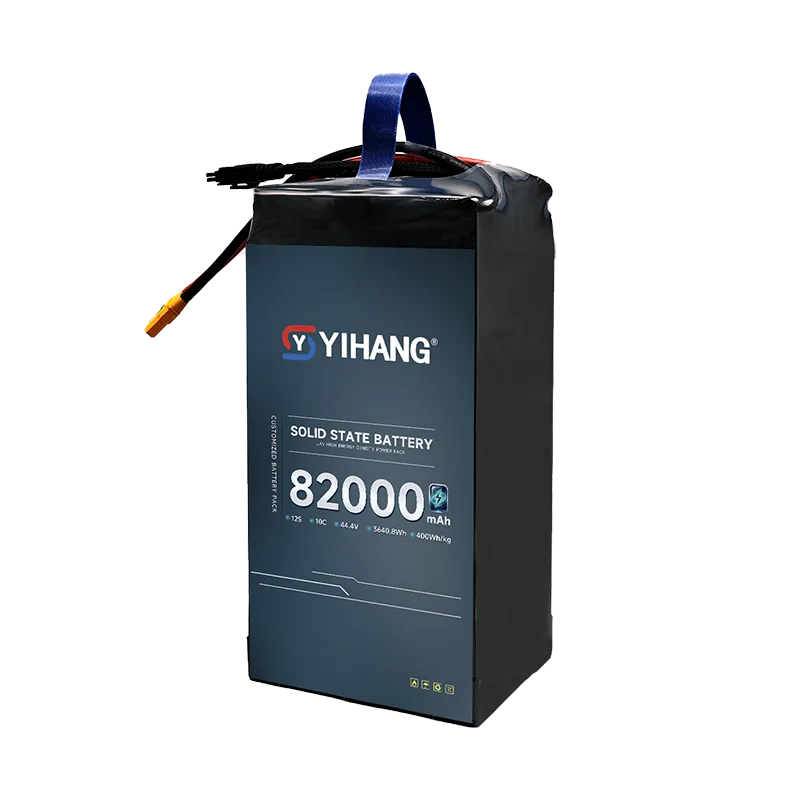
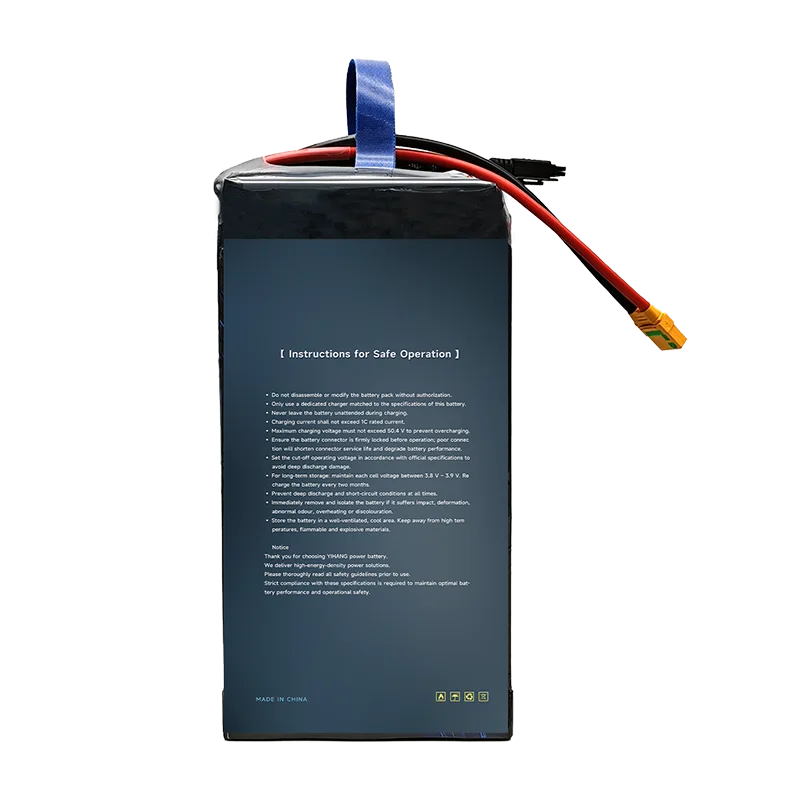
400Wh/kg Semi-Solid-State UAV Battery
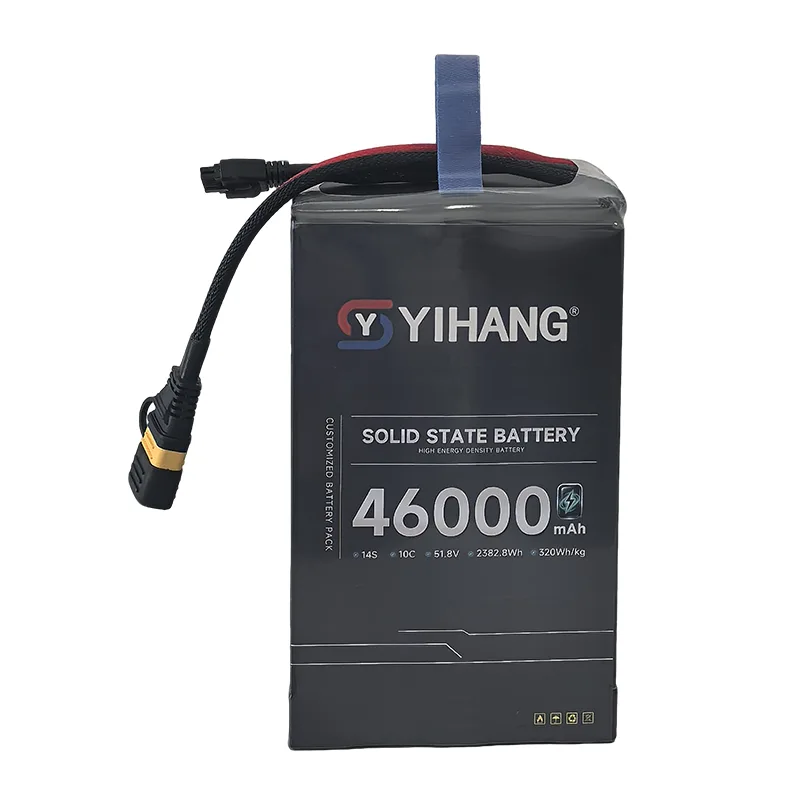
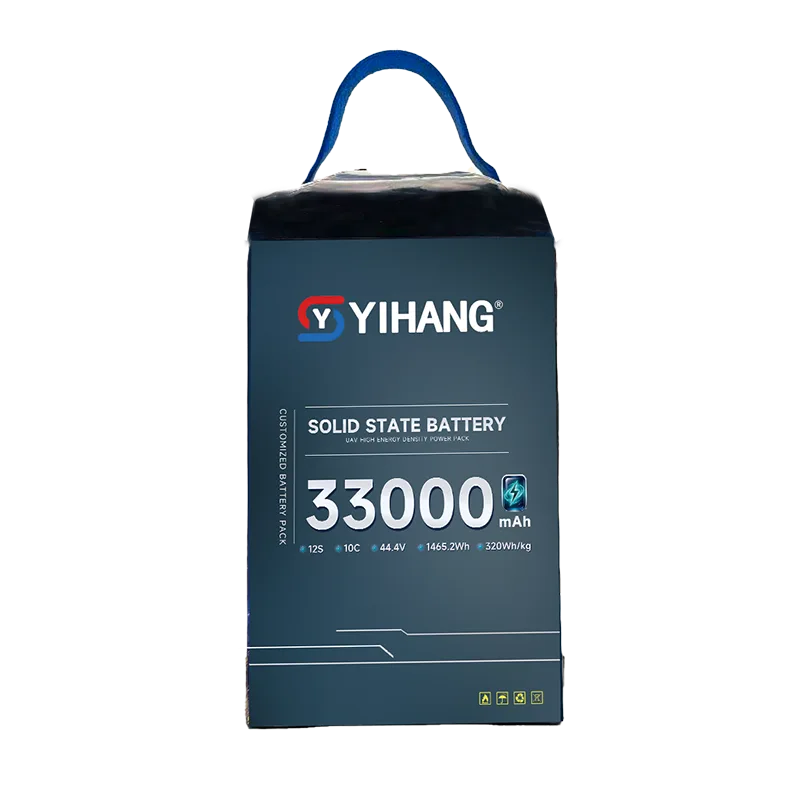
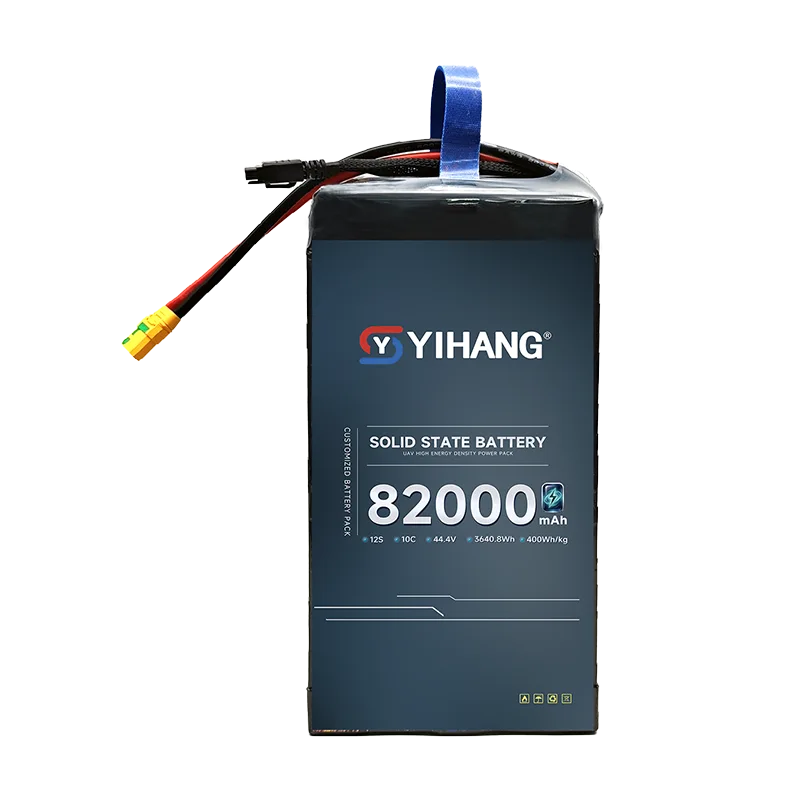
YIHANG 400Wh/kg Semi-Solid-State UAV Battery(12S 1P 82Ah) features silicon-carbon pouch cells, high cell-level energy density and a customized smart BMS for industrial drones. As a China UAV battery manufacturer, YIHANG supports tailored configurations, factory-direct supply and traceable production testing for long-endurance UAV platforms.
Send Inquiry
Product Description
Buy 400Wh/kg Semi-Solid-State UAV Battery from YIHANG, a China-based UAV battery supplier specializing in customized power solutions for industrial aircraft. Designed around a 12S1P 82Ah configuration, this semi-solid-state battery combines high-specific-energy cells, matched cell assembly and configurable BMS functions to meet different UAV voltage, current and installation requirements. Custom battery dimensions, connectors, communication protocols and electrical parameters are available according to platform specifications.
Product Specifications
| Item | Specification |
| Product Type | 400Wh/kg Semi-Solid UAV Battery 12S 1P 82Ah |
| Cell Format | LiPo pouch cell |
| Common Configuration | 12S (support 6S-28S) |
| Capacity Range | 82000mAh (customizable) |
| Continuous Discharge Rate | 10C – 25C |
| Cycle Life | 1000 cycles (to 80% initial capacity, tested at 25°C±2°C, 1C charge / 2C discharge, 100% DOD) |
| Working Temperature | -20°C to +55°C |
| Certifications | UN38.3, MSDS, full export documentation |
| Custom Service | Voltage, capacity, size, connectors |
| BMS Panel | Support BMS |
| Size | Customized with customer inquiry |
| Payment Terms | T/T, L/C |
| Manufacturer | YIHANG |
Key Features
1. High Cell-Level Energy Density
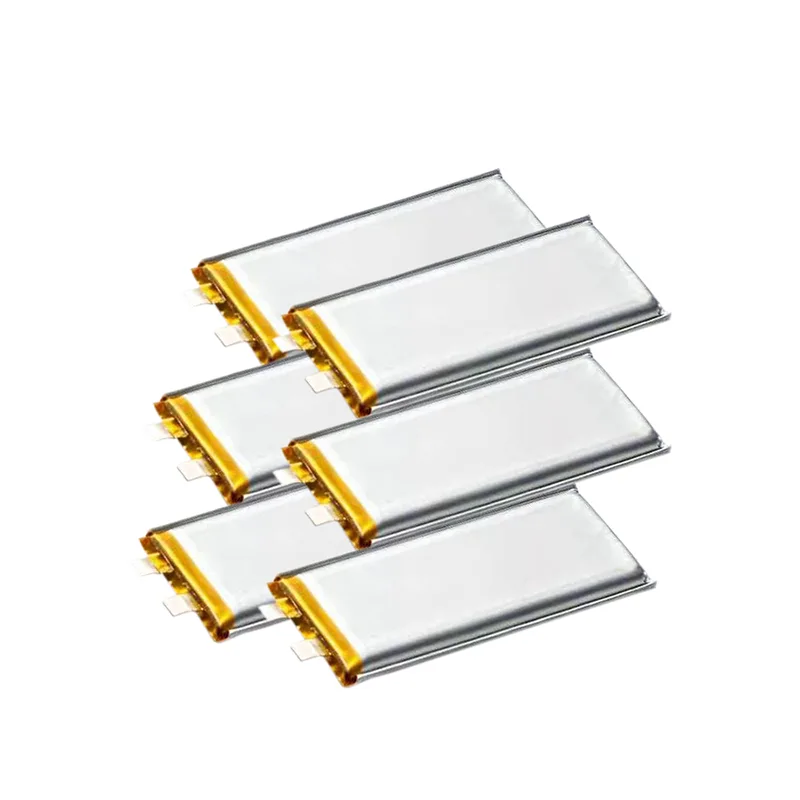
Silicon-carbon semi-solid pouch cells provide a cell-level energy density of 400Wh/kg, supporting UAV designs that require high specific energy and reduced battery weight.
2. Matched 12S1P Cell Configuration
The 12S1P configuration connects twelve cells in series with one parallel group. Cells are matched before assembly to support consistent electrical characteristics within the battery pack.
3. Customized Smart BMS
The smart BMS supports SOC calibration based on the selected semi-solid cell characteristics, individual cell voltage monitoring, temperature sensing and configurable protection parameters. DroneCAN, UAVCAN and SMBus communication options are available according to system requirements.
4. Production Traceability
Each finished battery pack receives a unique serial number linked to its production information and factory test records. Charge-discharge testing, load checks and visual inspection form part of the manufacturing process.
5. Flexible Configuration for UAV Integration
YIHANG supports customization of battery voltage, capacity, dimensions, connectors and BMS settings to accommodate different industrial UAV structures and electrical systems.
12S1P 82Ah Configuration and Electrical Characteristics
The 12S1P configuration connects 12 cells in series with one parallel string, providing an 82Ah capacity.
● Cell Configuration: 12S1P
● Nominal Voltage: 44.4V with 3.7V cells or 45.6V with 3.8V cells
● Rated Capacity: 82Ah
● Cell Matching: Cells are matched within the same production lot
● Customization: 6S–28S configurations available
The battery's voltage and installation dimensions can be confirmed according to the UAV platform requirements.
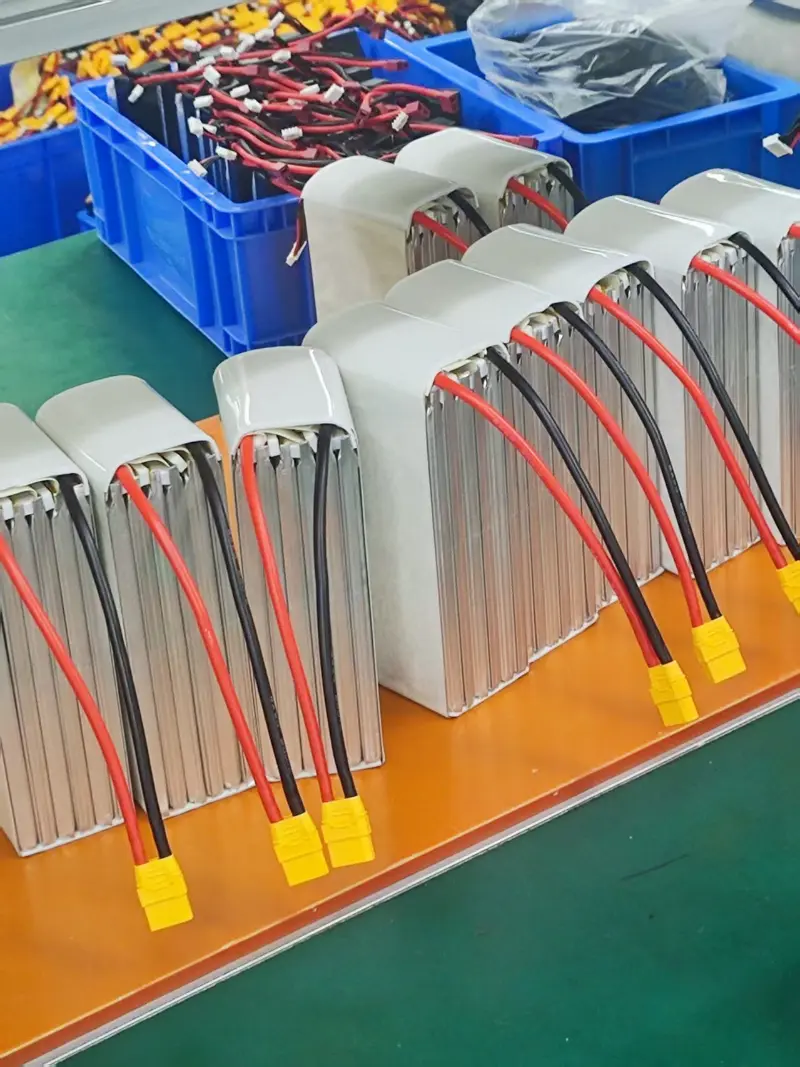
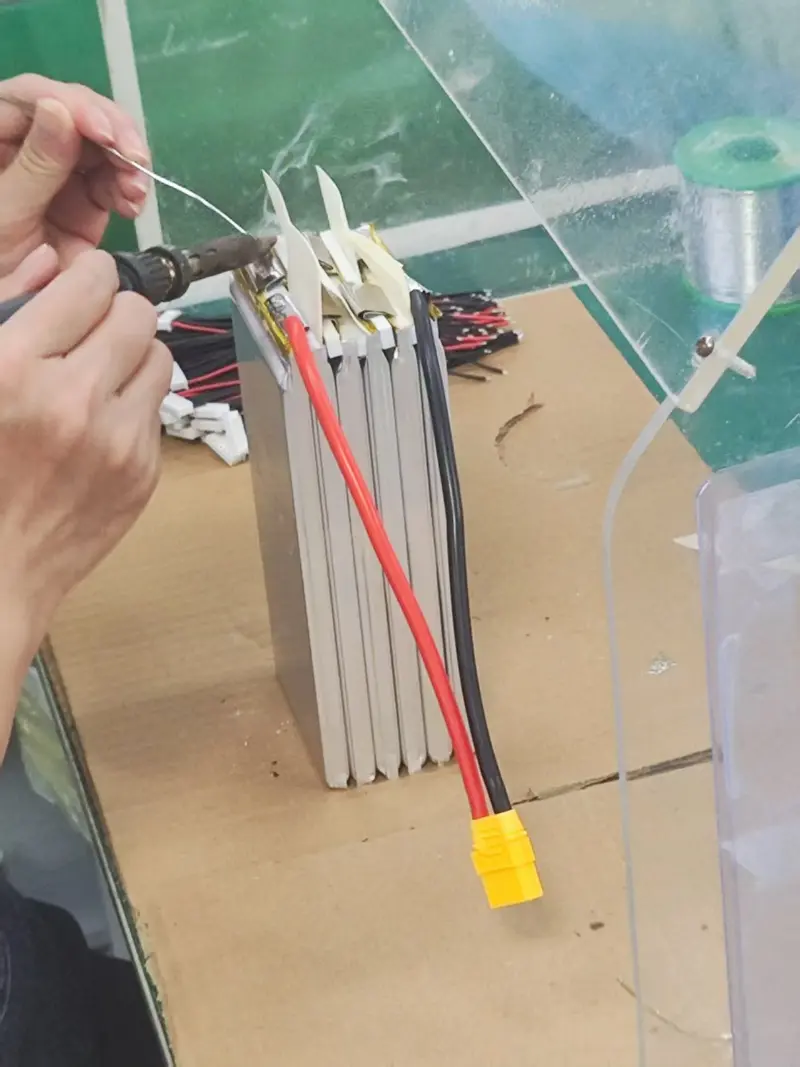
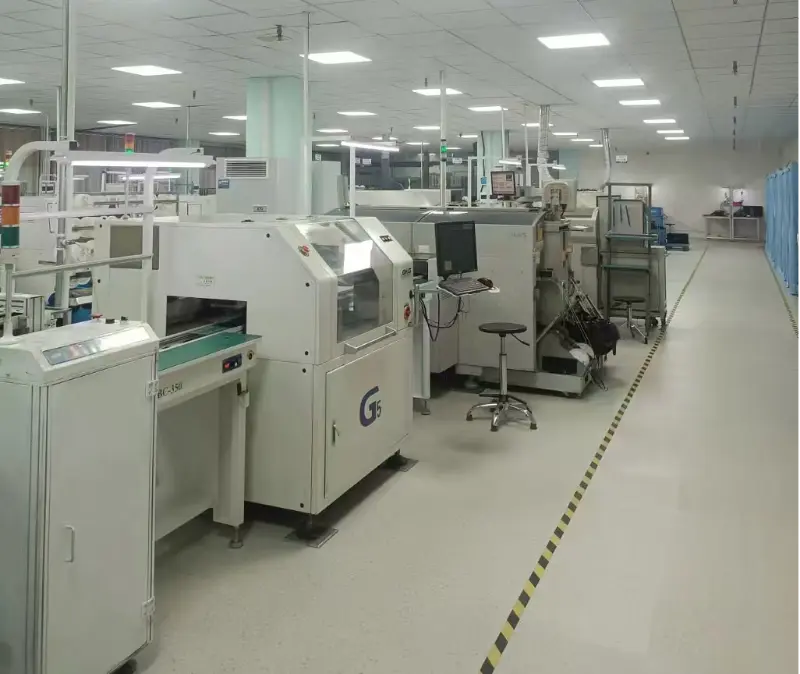
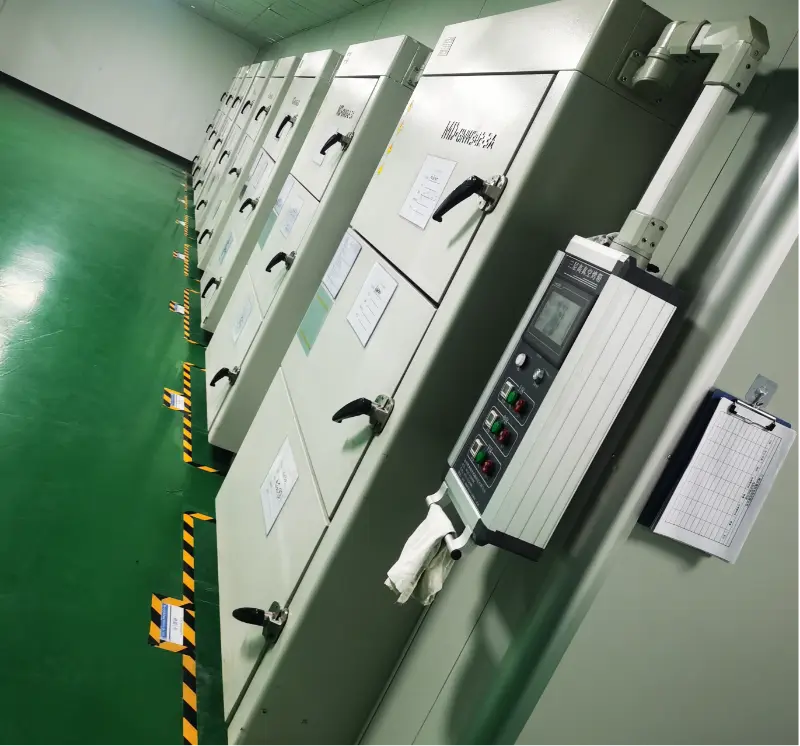
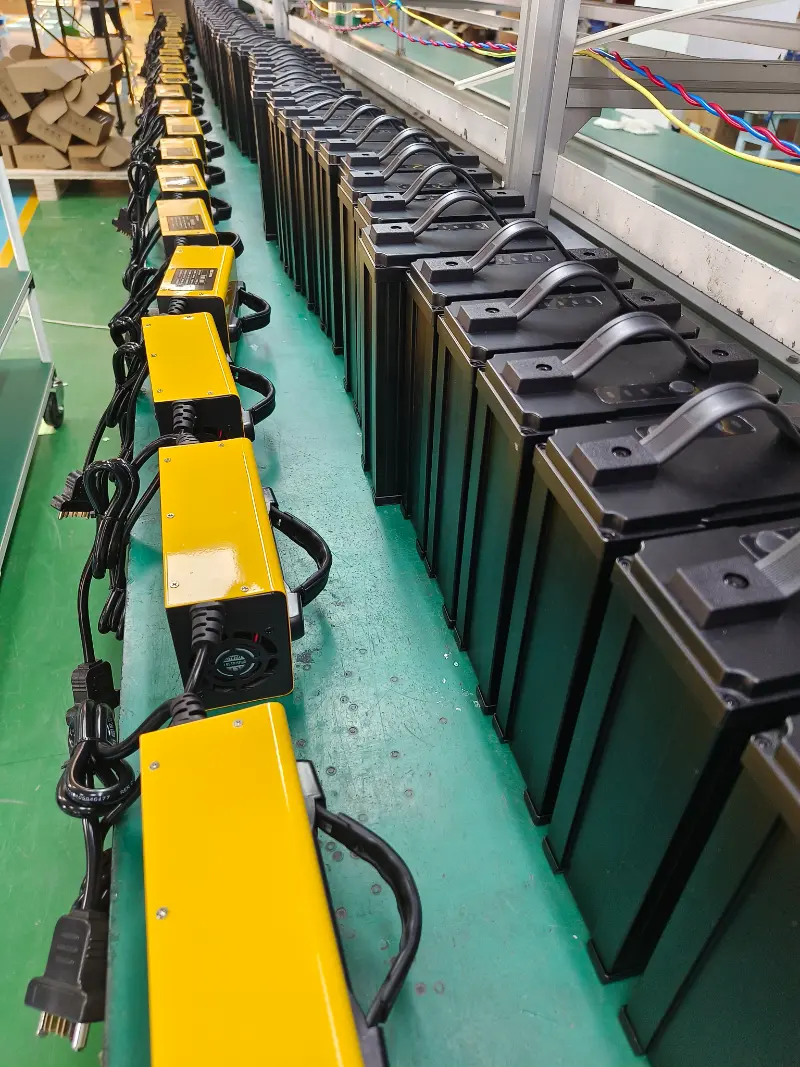
YIHANG Factory Manufacturing and Quality Control
YIHANG manufactures UAV battery packs in China with a production process covering:
-
Cell matching and incoming inspection
-
Battery pack assembly
-
Charge-discharge testing
-
Load and visual inspection
-
Serial number tracking and production record management
Available documentation includes UN38.3 test summaries, MSDS and other applicable export documents.
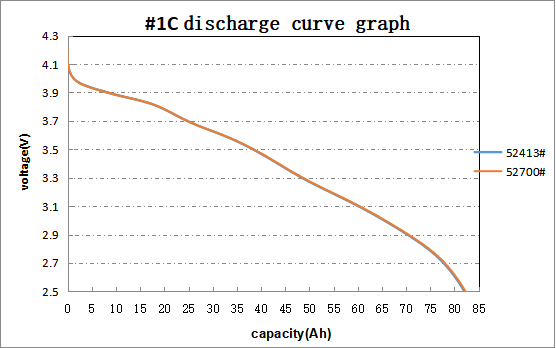
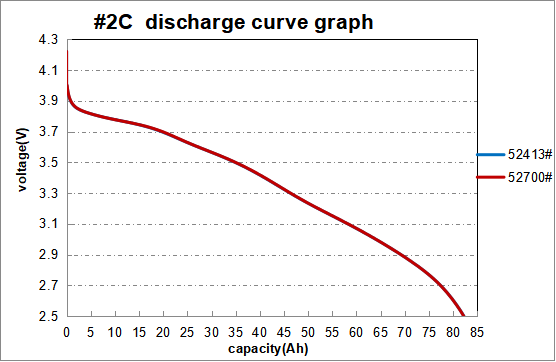
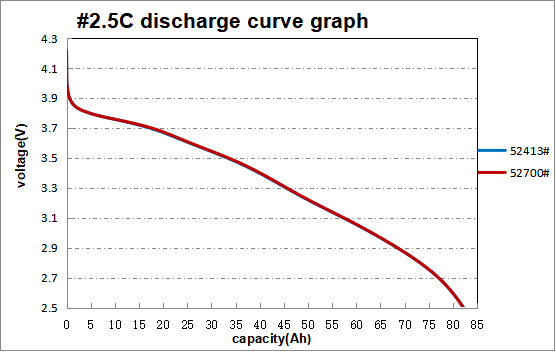
Understanding 400Wh/kg Cell-Level Energy Density
The 400Wh/kg figure refers to the energy density of the battery cell, not the complete battery pack.
The finished pack also includes the BMS, enclosure, busbars and connectors, so its actual energy density will be lower.
For project evaluation, YIHANG can provide pack-level weight and relevant measurement conditions for the selected configuration.
Customized Smart BMS for Semi-Solid-State UAV Battery
The smart BMS is configured for semi-solid-state cells and UAV power requirements.
Key functions include:
● SOC calibration based on the cell voltage curve
● Individual cell voltage monitoring
● Active cell balancing
● Temperature monitoring and protection
● Configurable current limits and charge protection
● DroneCAN, UAVCAN or SMBus communication options
BMS functions and communication interfaces can be configured according to the flight controller and UAV system requirements.
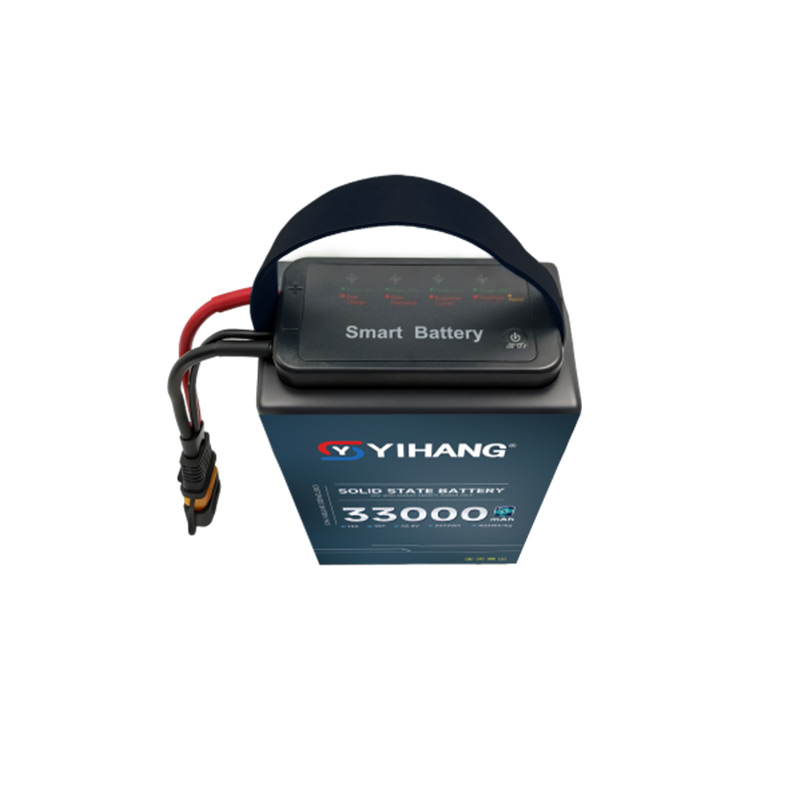
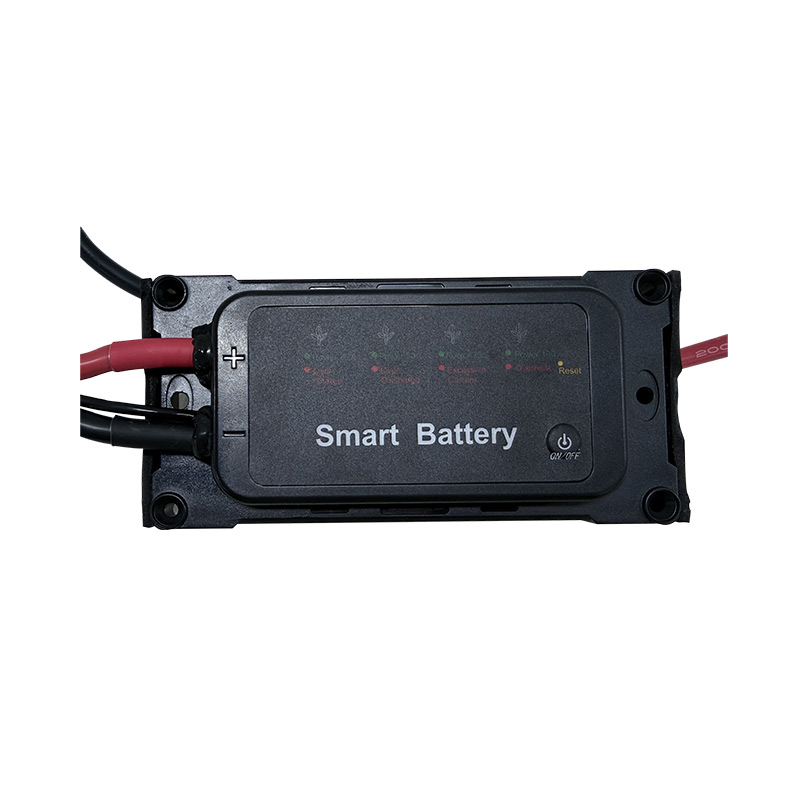
Smart BMS Panel – Optional Monitoring and Protection Functions
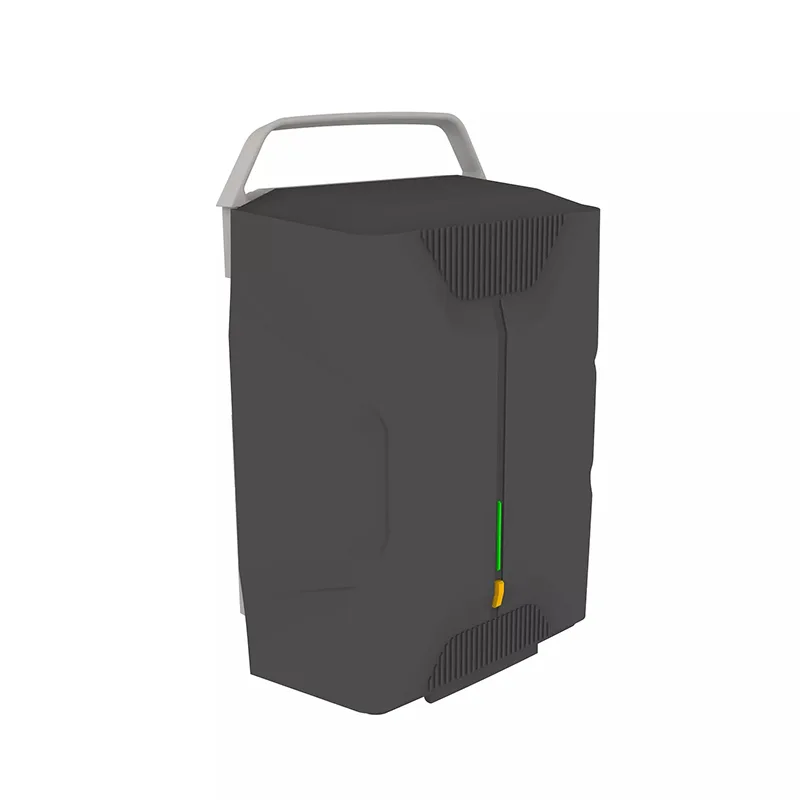
The optional smart BMS panel provides battery status indication, charging alerts and data access for UAV battery management.
| BMS Panel OPTIONAL | ||
| Number | BMS Function | Description |
| 1 | Smart SOC Indication | Four high-brightness LEDs auto-detect charge/discharge status for real-time SOC display. When powered off, short-press the button; LEDs show SOC for ~2s then turn off. |
| 2 | Battery Life Reminder | At preset cycle count, all SOC LEDs turn red for mid-end-life warning; use cautiously |
| 3 | Smart Charge Alarm | Monitors charging status in real-time; triggers alarm for over-voltage, over-current and over-temperature. |
| 4 | Smart Storage | Activates automatically for long-term idle storage at high SOC; discharges to storage voltage for safe preservation. |
| 5 | Auto-Sleep | Auto-sleep power-off when idle: 3-min delay at high SOC, 1-min delay at low SOC to conserve power. |
| 6 | Firmware upgrade | Supports firmware upgrade via USB port connected to PC. |
| 7 | Data Communication | Supports USB-Serial, WIFI and CAN interfaces. Retrieve real-time battery data (voltage, current, cycle count) via USB-Serial/WIFI; CAN interfaces with flight controller for data exchange. |
| 8 | Battery Logging | Stores full-life battery logs including cell voltage, current, temperature, cycle count and fault events; viewable via PC or mobile device. |
| 9 | Smart Balancing | Built-in auto balancing; manual trigger available for large cell voltage gap, keeps cell voltage difference within 20mV. |
Factors Affecting UAV Flight Endurance
Battery capacity and energy density are important factors in UAV endurance, but actual flight time depends on the complete aircraft configuration and operating conditions.
Payload and Total Aircraft Weight
The payload and all-up weight directly affect propulsion power requirements. Battery capacity needs to be evaluated alongside the weight of the airframe, motors, propellers, onboard electronics and mission equipment.
Flight Profile and Current Demand
Different UAV missions create different discharge patterns. Surveying and mapping flights may involve sustained cruising loads, while agricultural spraying, cargo transport and heavy-lift operations can require higher current during takeoff, climbing and payload operation.
Operating Temperature
Temperature affects available capacity and internal resistance. At lower operating temperatures, battery discharge characteristics may change, making temperature-specific performance data important during UAV power system evaluation.
Usable Capacity and Discharge Management
The usable depth of discharge should be considered when determining operating margins and maintaining sufficient energy for the return flight. Battery selection should account for the complete mission profile rather than nominal capacity alone.
The 400Wh/kg Semi-Solid-State UAV Battery is designed for platforms where high cell-level energy density and customized battery integration are important. YIHANG provides discharge curves with stated test conditions to support engineering evaluation instead of quoting a universal flight-time figure.
Industrial UAV Battery Applications
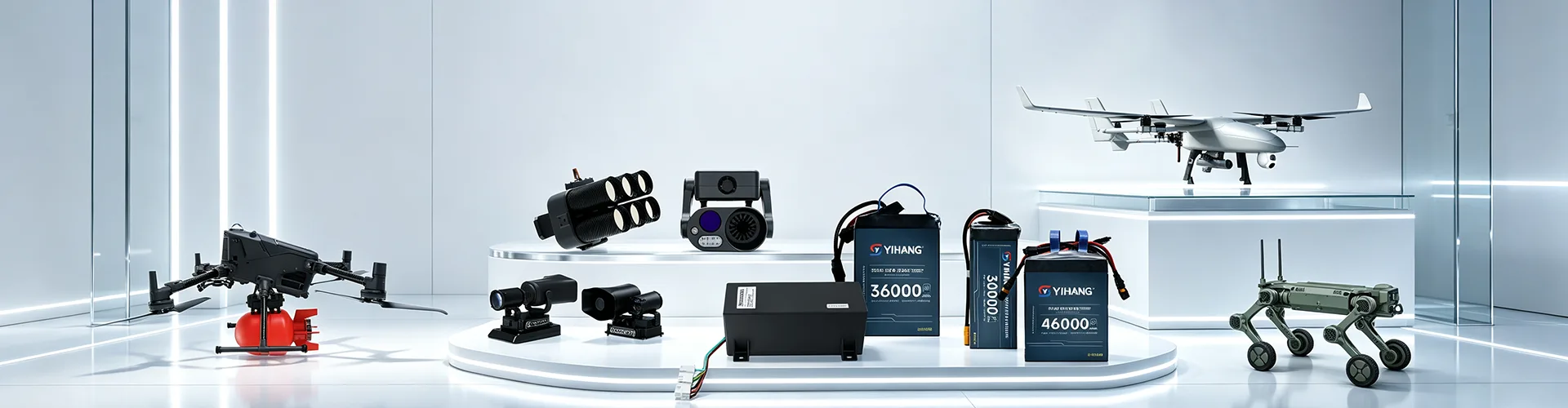
The high cell-level energy density and configurable battery architecture make this battery suitable for technical evaluation across different industrial UAV applications.
● Industrial Inspection Drones:
Battery configurations for infrastructure inspection, power line monitoring and industrial facility surveys.
● Surveying and Mapping UAVs:
Power solutions for aerial mapping, geographic data collection and extended surveying missions.
● Agricultural UAVs:
Customized battery configurations for agricultural spraying, crop monitoring and related aerial operations.
● Cargo Delivery Drones:
Battery integration for industrial transport platforms with specific voltage, capacity and installation requirements.
● Long-Endurance UAV Platforms:
High-specific-energy battery solutions for aircraft where battery mass and available energy are important design considerations.
FAQ
Is 400Wh/kg cell-level or pack-level?
Cell-level. Measured pack mass and the resulting pack-level density are in the datasheet for each build. Ask for it if you are comparing two quotations.
Why does a semi-solid battery need a custom BMS?
The voltage plateau and charge acceptance differ from liquid LiPo, so a generic algorithm lets the SOC estimate drift and can end charge too early or too late. We calibrate against the cell's measured curve.
How does it behave in cold weather?
Available capacity and internal resistance both move near the lower end of the operating window. We supply discharge curves at stated temperatures so cold-soak behaviour can be checked on the actual airframe.
Send us your bus voltage, current profile and battery bay dimensions, and we will come back with a drawing, a datasheet and a quote.
How many charge cycles does it last?
We do not print a single cycle figure on the page, because it moves with depth of discharge, C-rate and temperature. The test report for the delivered build states the test conditions and the measured result, and we will send it on request. Ask for it if you are comparing two suppliers - a cycle number without its DoD and temperature is not comparable.
Related Category
Send Inquiry
Please Feel free to give your inquiry in the form below. We will reply you in 24 hours.