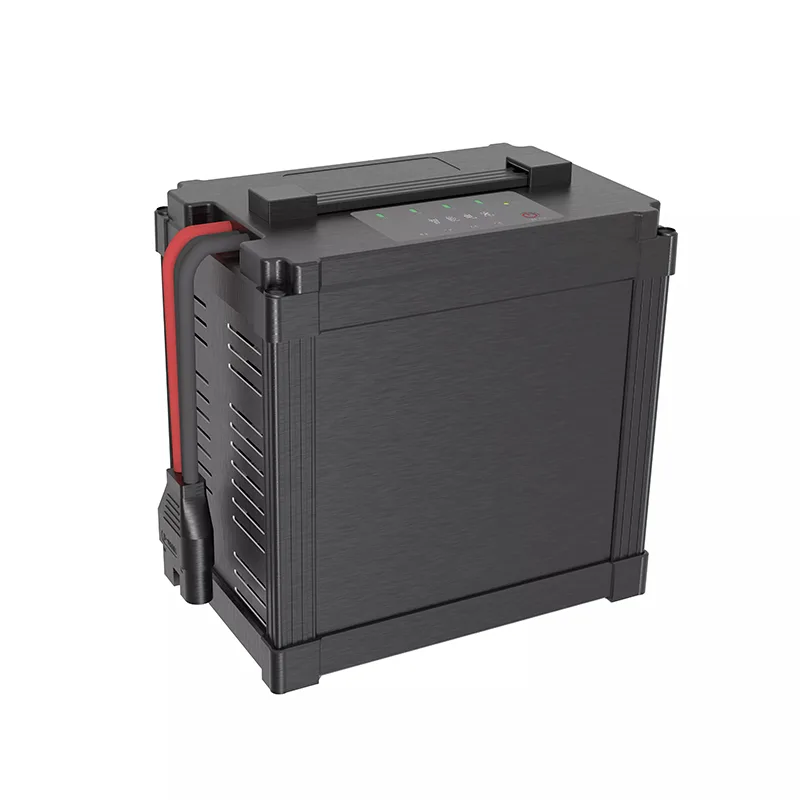
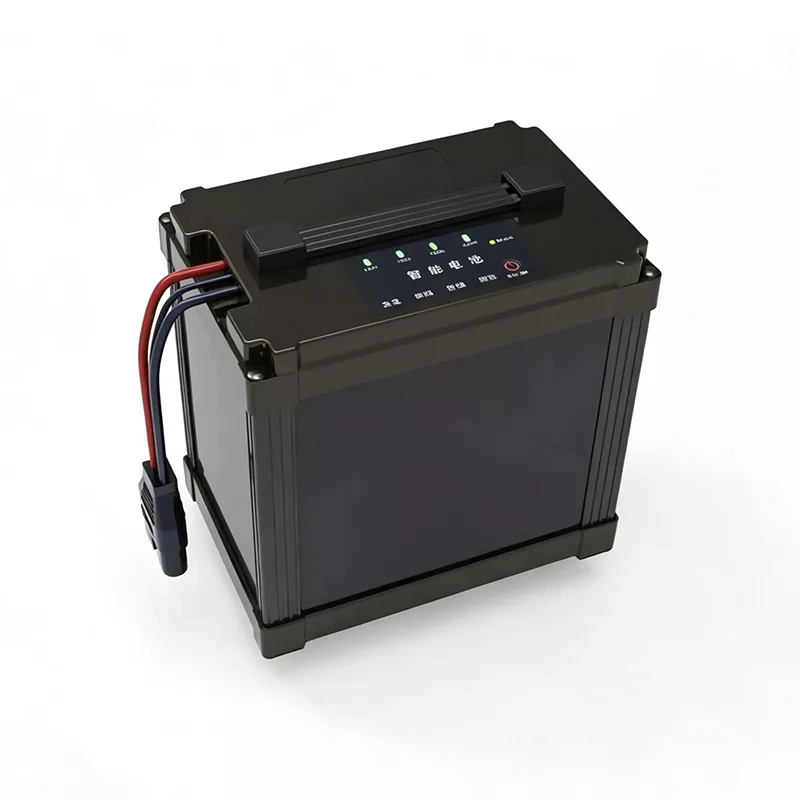
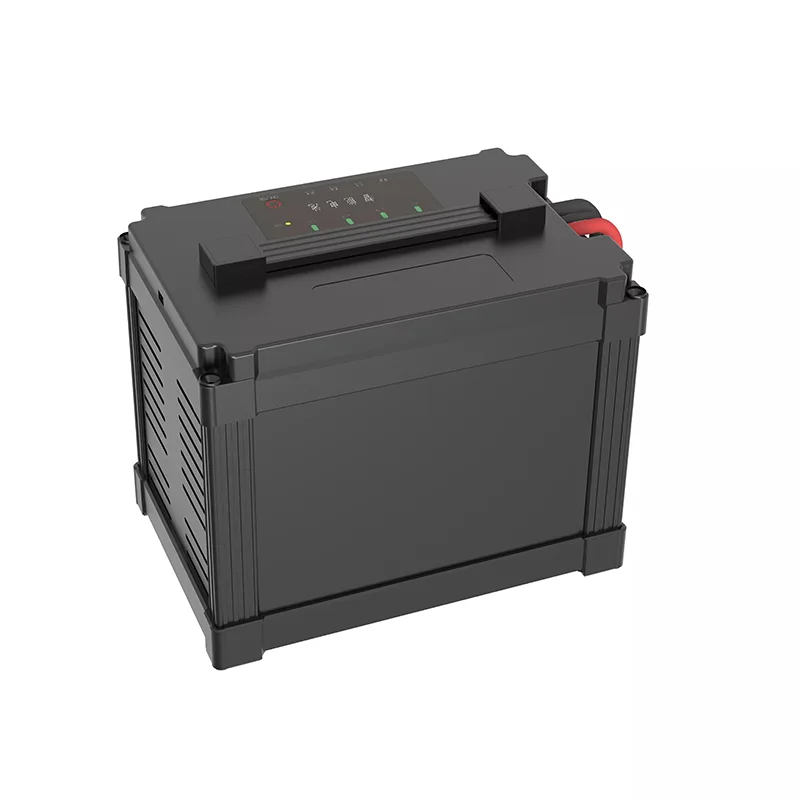
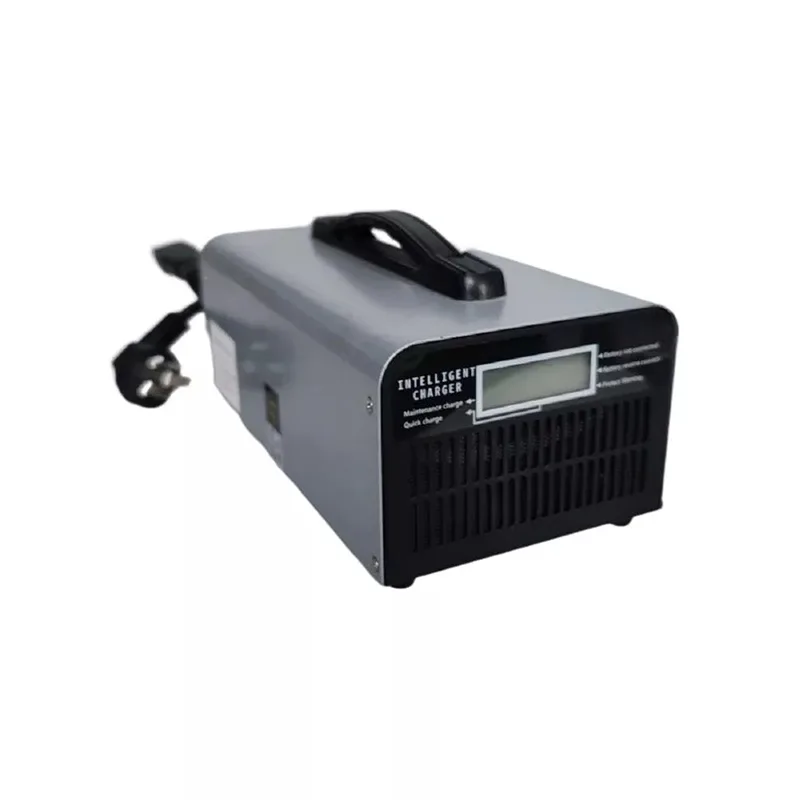
Heavy Lift Drone Battery for Industrial UAV
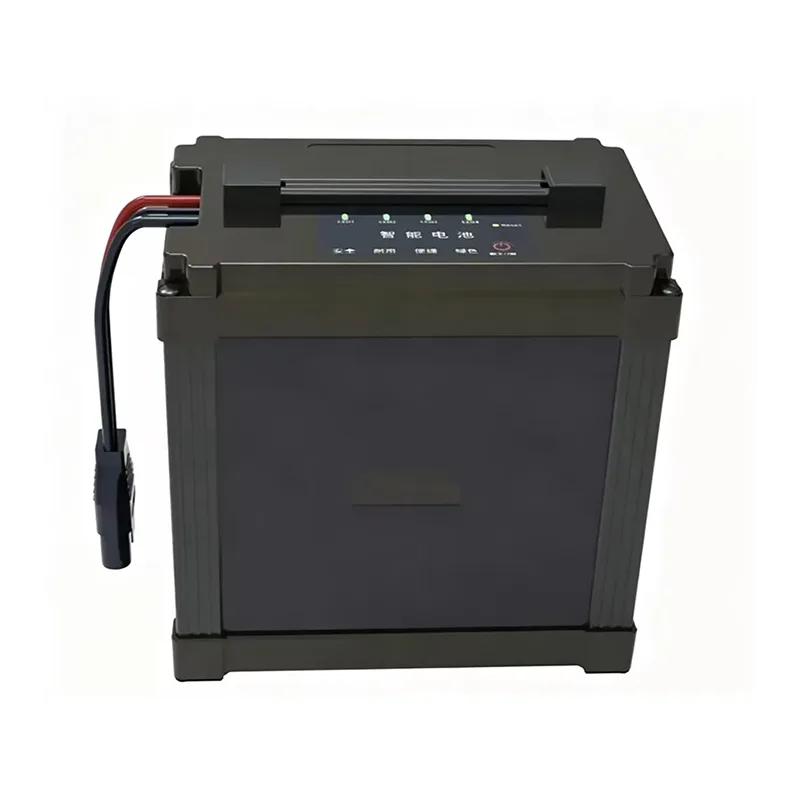
YIHANG, a professional drone battery manufacturer in China, develops the Heavy Lift Drone Battery for Industrial UAV for UAV platforms that require high continuous current, stable power delivery, and a battery configuration matched to heavy payload operation. The battery pack is designed for applications such as cargo lifting, agricultural spraying, construction operations, and other industrial UAV tasks where propulsion demand changes significantly during takeoff, climbing, hovering, and maneuvering.
Send Inquiry
Product Description
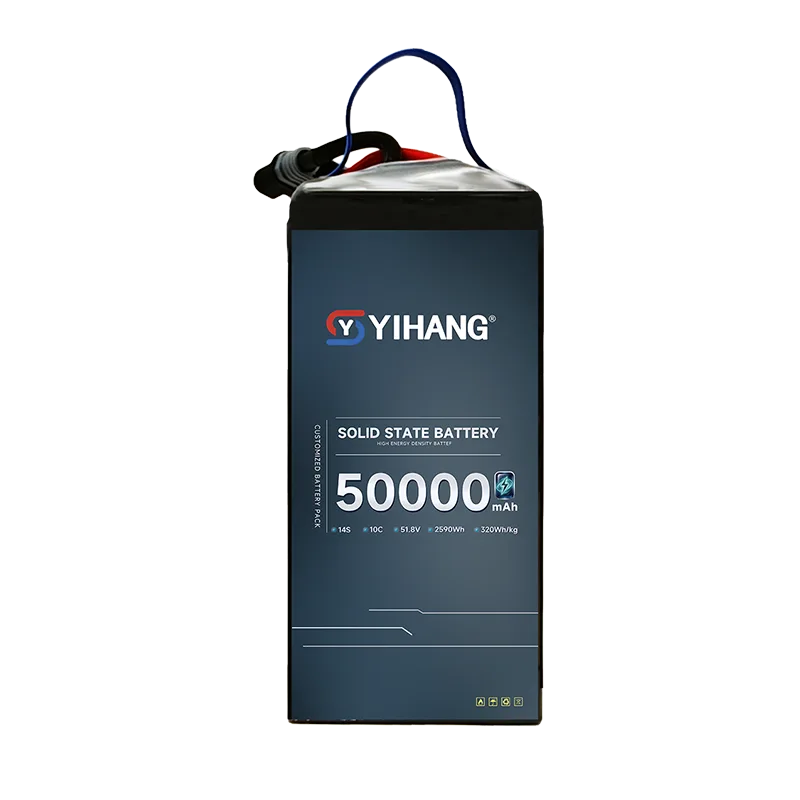
As a professional manufacturer in China ,YIHANG factory's Heavy Lift Drone Battery for Industrial UAV's reference configuration uses a 51.8V, 50000mAh battery with 200A continuous and 300A peak current capability. Battery voltage, capacity, dimensions, C-rate, connectors, and BMS parameters can be customized according to the UAV power system, battery compartment, payload, and flight-control requirements.
Battery Parameter
|
Classification Item |
Detailed Technical & Commercial Information |
|
Product full name |
Heavy Lift Drone Battery for Industrial UAV |
|
Battery density |
220--350Wh/kg |
|
Battery weight |
10.8kg |
|
Battery voltage |
51.8 V |
|
Continuous/Peak current |
200A/300A |
|
Battery size |
246*162.5*208mm |
|
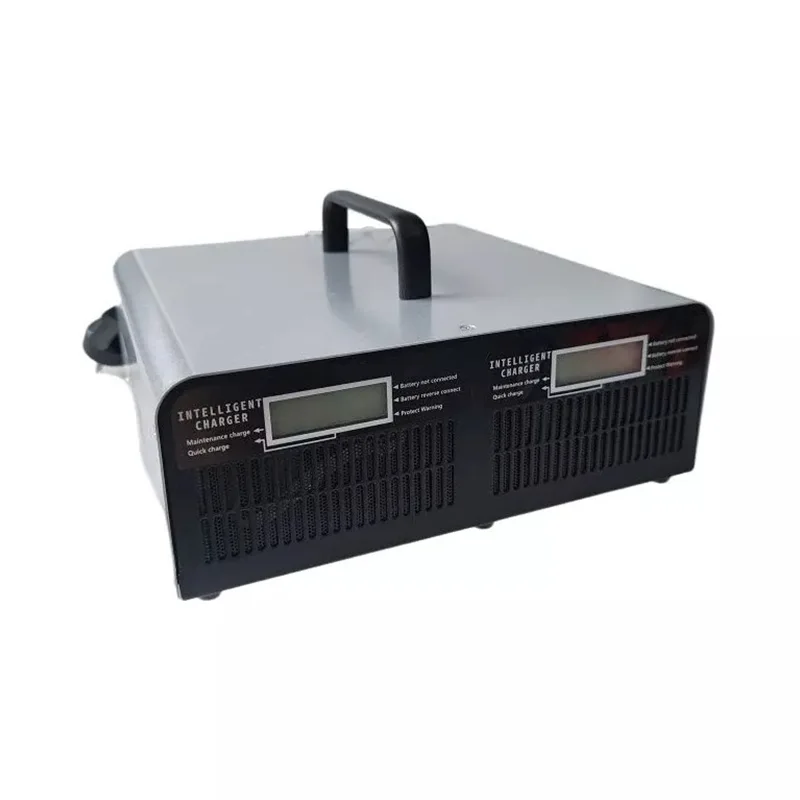
Charger |
Customized |
|
With BMS or not |
With BMS system |
|
Standard capacity |
50000mah, |
|
Cycle life |
1000 times to 80% initial capacity, tested at 25°C±2°C, 1C charge / 2C discharge, 100% DOD |
|
MOQ requirement |
Negotiable, support small quantity and trial order |
|
Available Custom Service |
Customized Density, size and c-rate battery based on clients’ drone |
|
Communication protocol |
RS485/ CAN |
|
warranty |
Yihang offers 1 year quality warranty under regulated operation |
|
Payment term |
T/T L/C |
|
TRADING TERM |
FOB CIF |
|
MANUFACTURER |
YIHANG |
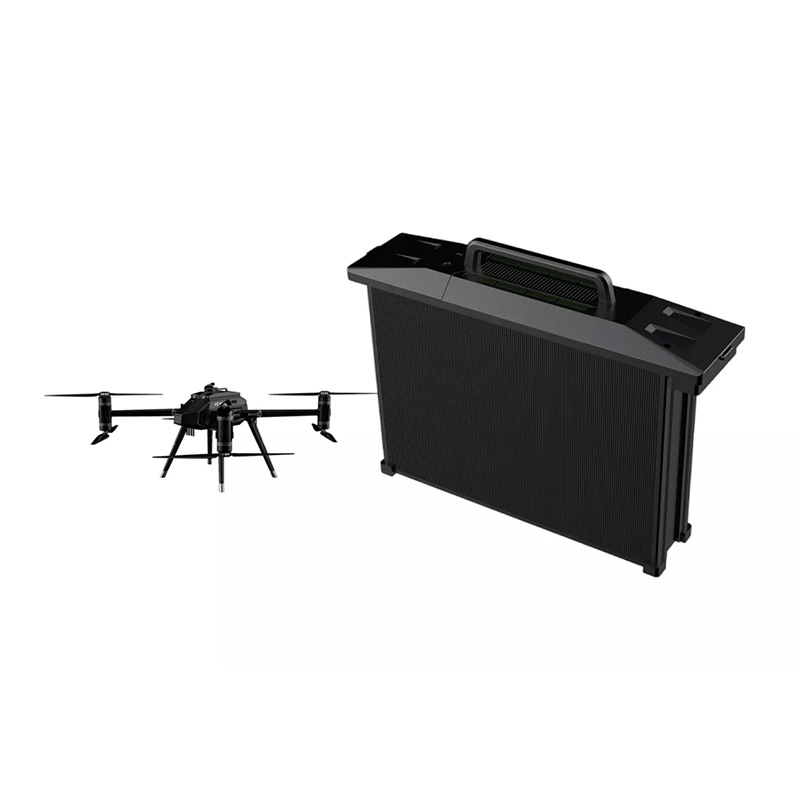
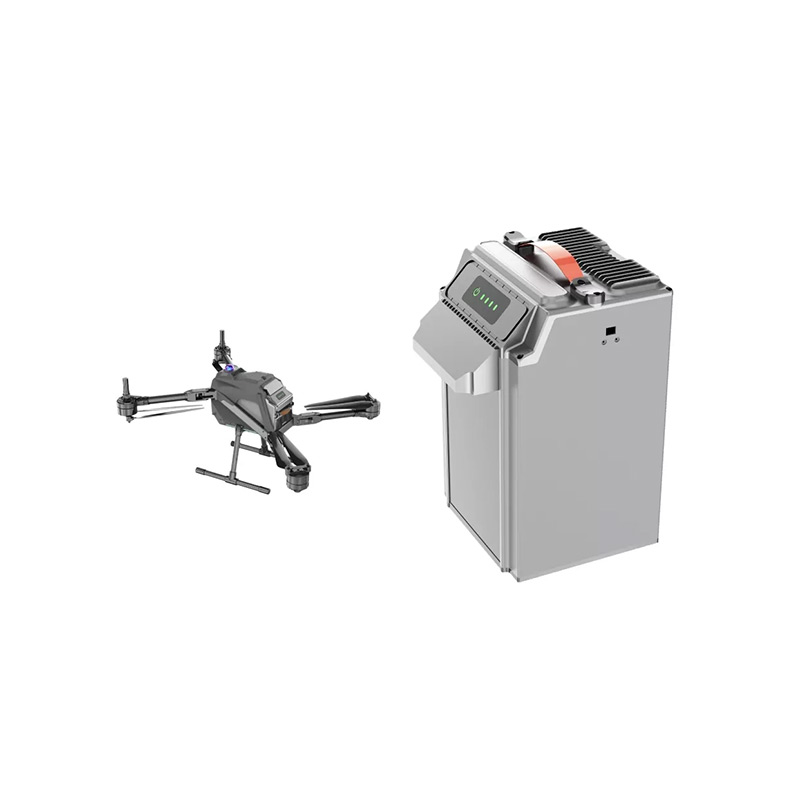
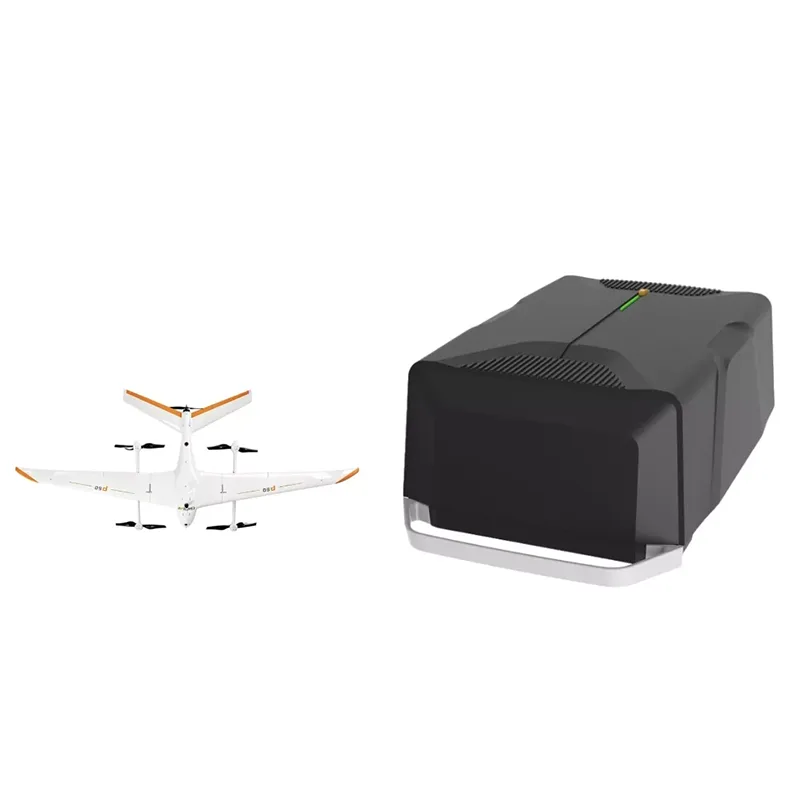
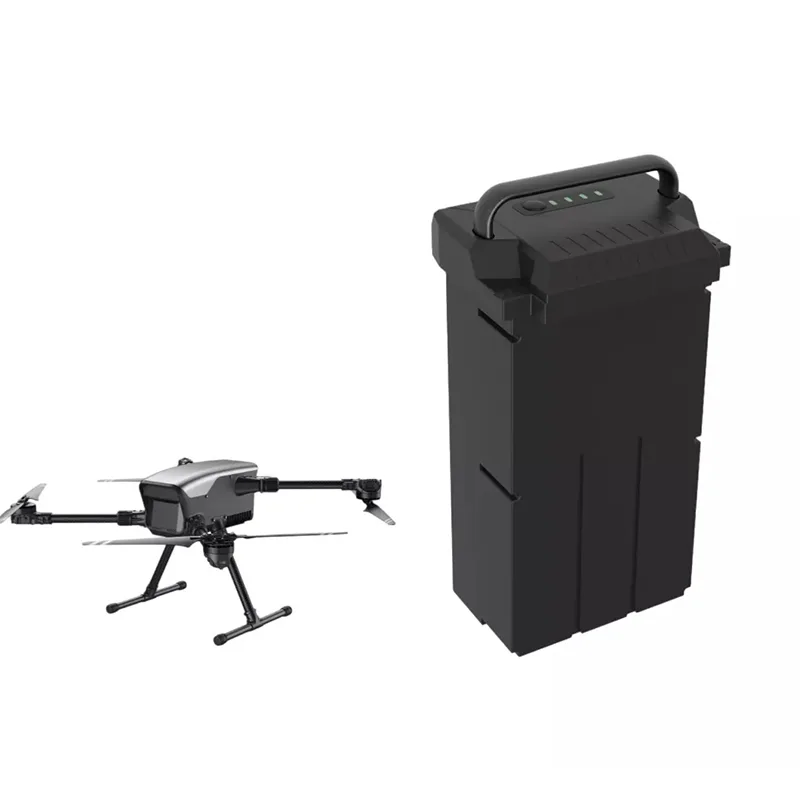
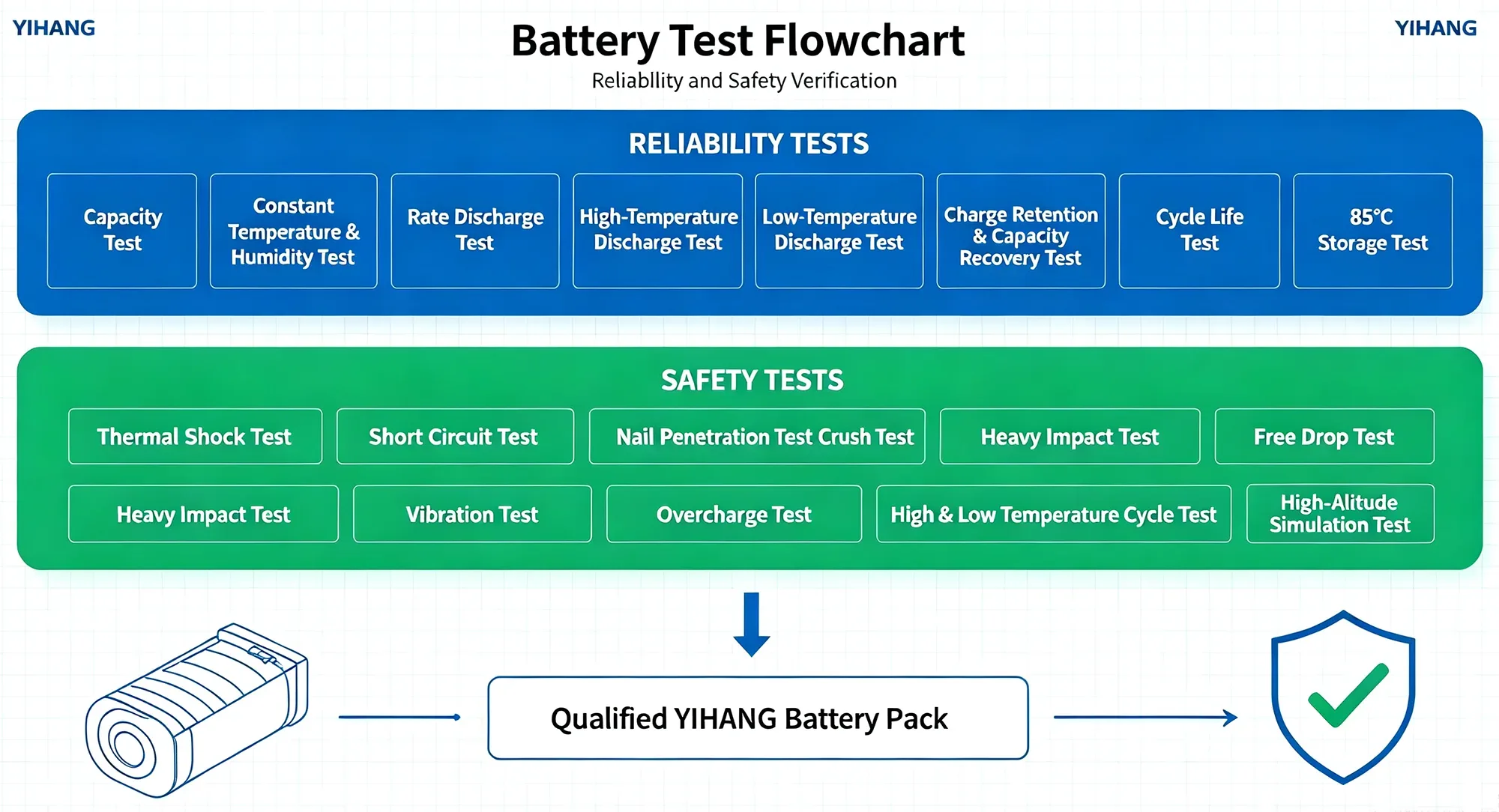
Industrial drone battery built with smart UAV BMS system. Core safety and performance test criteria below
|
Test Item |
Reference Standard |
Key Acceptance Criteria |
|
Voltage & Temperature Sampling |
IEC 62619, GB/T 46460-2025 |
Cell voltage error ≤ ±10 mV Temperature error ≤ ±2°C, multi-point sensing Stable UAV BMS battery data across full operating temperature range |
|
Over-Charge / Over-Discharge Protection |
IEC 62619, GB/T 46460-2025 |
BMS cuts charge / discharge at preset thresholds Auto-recovery only when voltage returns normal No fire, explosion or electrolyte leakage |
|
Charge & Discharge Over-Current Protection |
IEC 62619, GB/T 46460-2025 |
Fast circuit cut-off on over-current BMS hardware remains undamaged after fault trigger |
|
External Short-Circuit Protection |
IEC 62619, GB/T 46460-2025 |
Instant protection for external short circuit No smoke, fire or explosion |
|
Cell Balancing Function |
IEC 62620, GB/T 46460-2025 |
Reduces series cell voltage delta in drone lithium battery pack Balancing circuit runs without overheating |
|
CAN Communication & SOC Calculation |
GB/T 46460-2025, ISO 24352:2023 |
SOC error ≤ ±3% for industrial drone battery CAN bus outputs real-time battery status Built-in fail-safe for CAN communication loss |
|
Fault Alarm Feedback |
IEC 62619, GB/T 46460-2025 |
Alarm triggers for abnormal conditions Recoverable faults clear after issue fixed Critical faults lock and cannot auto-reset |
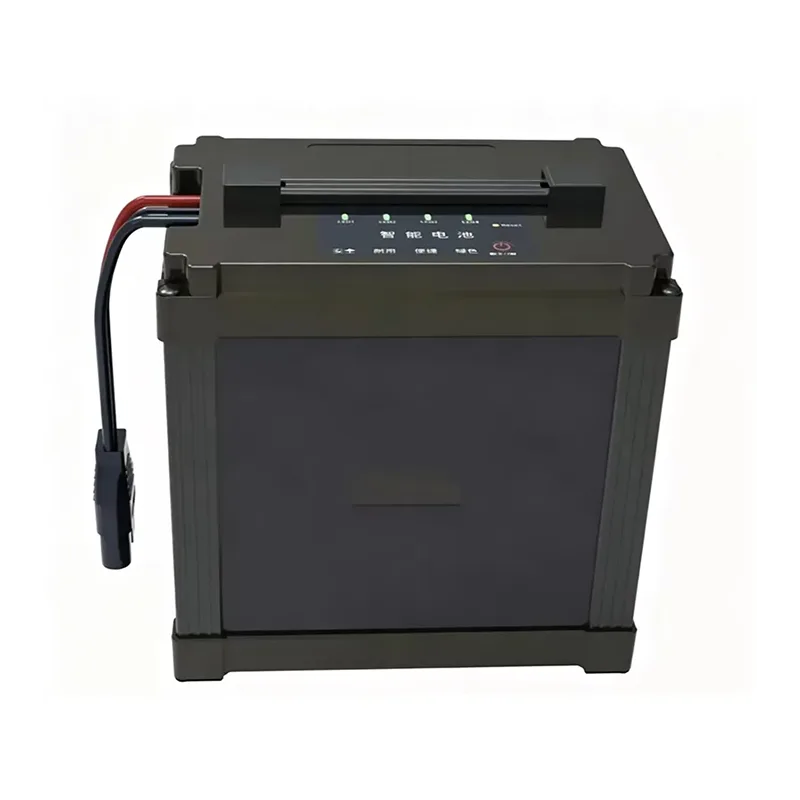
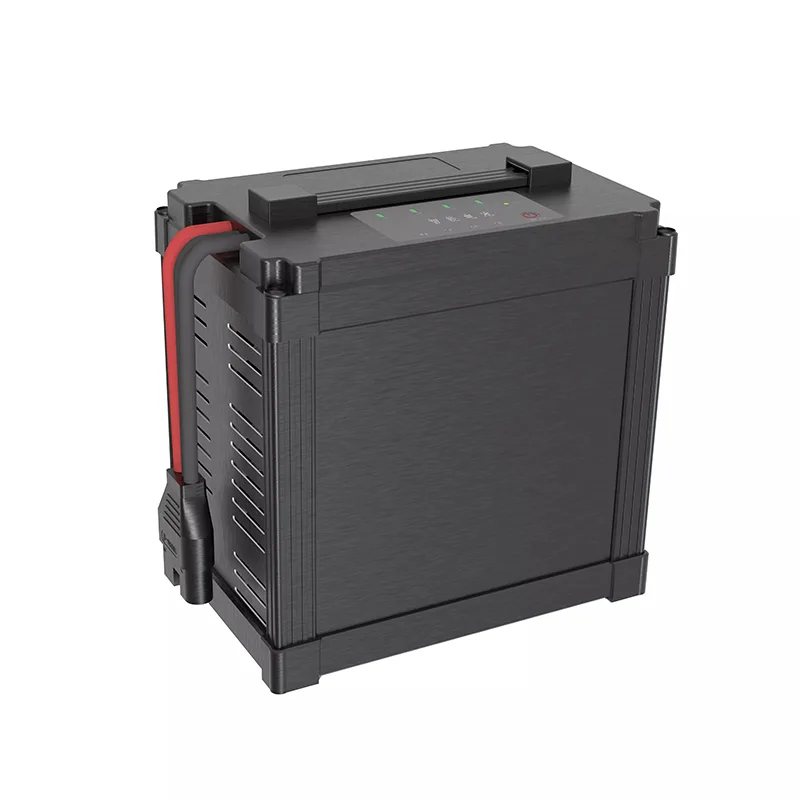
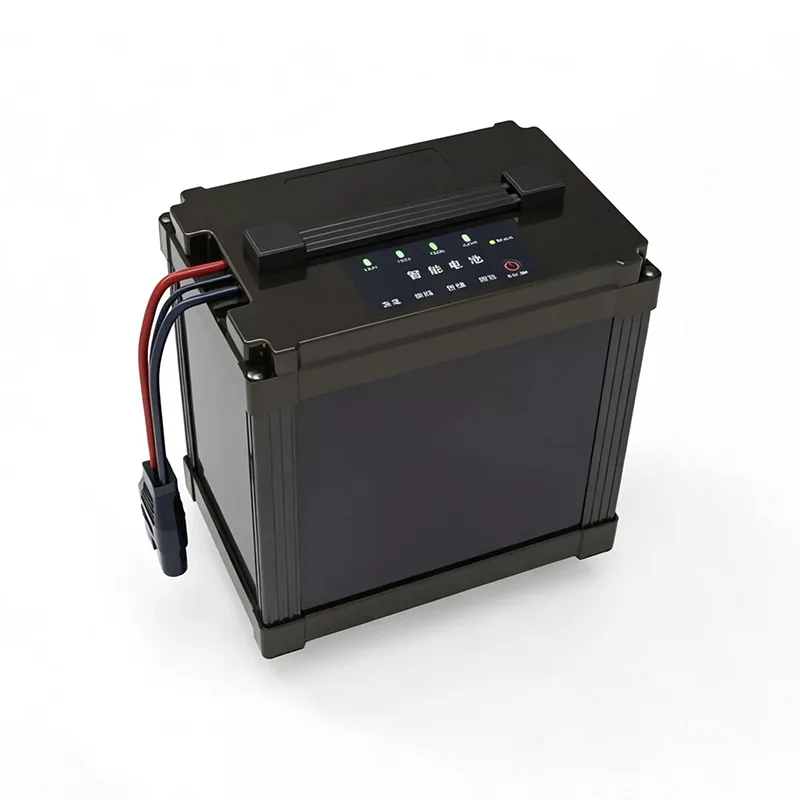
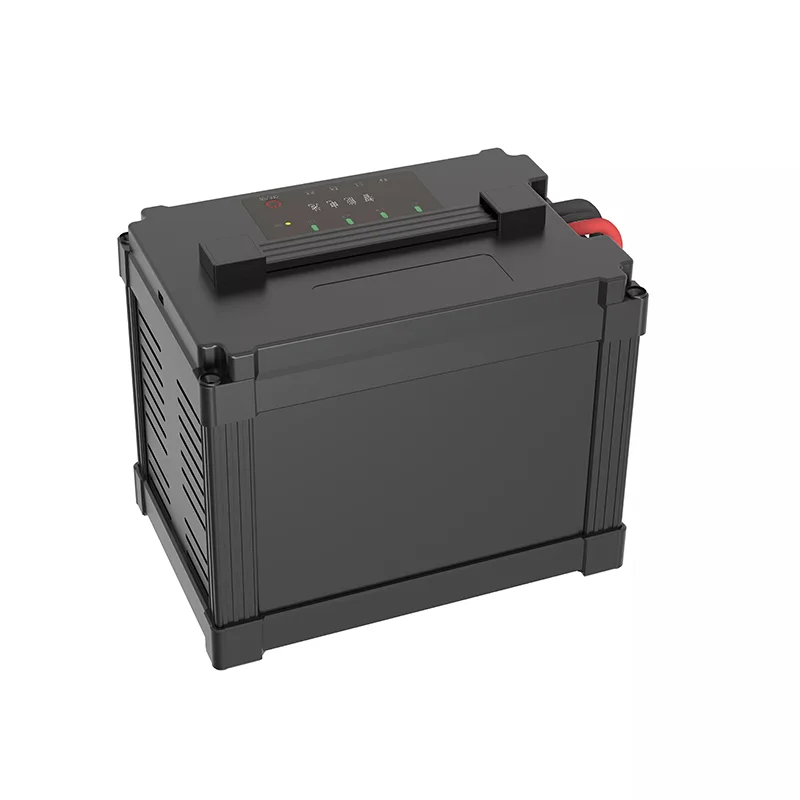
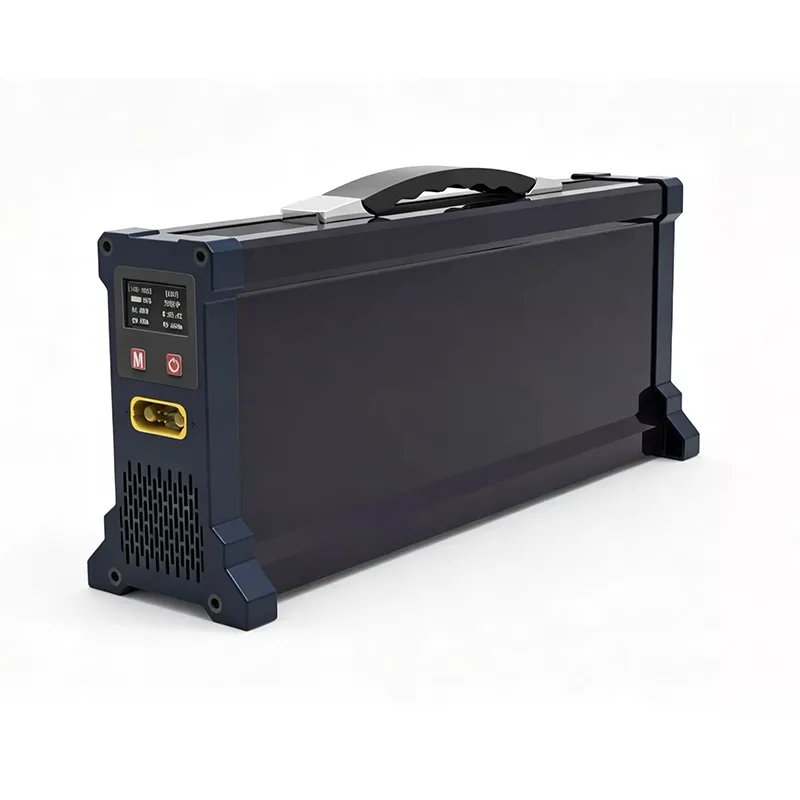
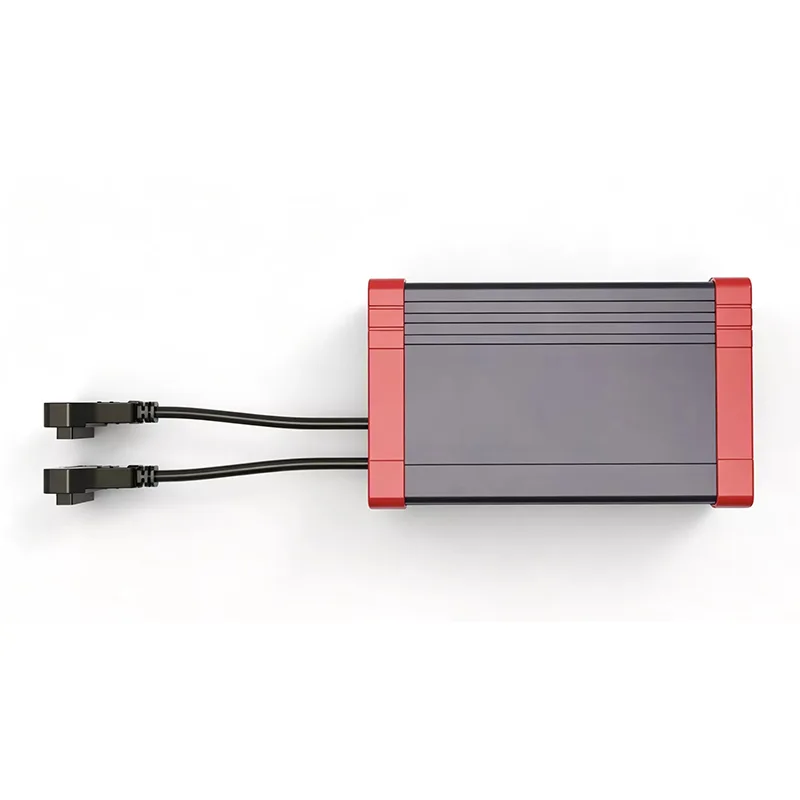
Sheet of Different Batteries
|
Product name |
Code number |
capacity |
voltage |
Size |
weight |
Continuous/Peak current |
|
12S/50AH |
Y08-B1250B3-01 |
50000mAh |
44.4V |
246*162.5*185mm |
9.3kg |
200A/300A |
|
14S/50AH |
Y08-B1450B3-01 |
50000mAh |
51.8V |
246*162.5*208mm |
10.8kg |
200A/300A |
|
16S/50AH |
Y08-B1650B3-01 |
50000mAh |
59.2V |
246*162.5*230mm |
12.3kg |
200A/300A |
|
18S/50AH |
Y08-B1850B3-01 |
50000mAh |
66.6V |
246*162.5*253mm |
13.9kg |
200A/300A |
|
24S/50AH |
Y08-B2450B3-01 |
50000mAh |
88.8V |
246*162.5*330mm |
18.5kg |
200A/300A |
|
28S/50AH |
Y08-B2850B3-01 |
50000mAh |
103.6V |
246*162.5*373mm |
22.2kg |
200A/300A |
Product Advantages
High Continuous Current Output
The reference pack provides 200A continuous and 300A peak current capability for UAV applications with high propulsion demand. This configuration is intended for loaded takeoff, climbing, hovering, and other operating conditions with substantial current requirements.
Stable Power Delivery Under Heavy Loads
The battery is configured for high-current industrial UAV operation, helping maintain consistent power delivery when propulsion demand changes during takeoff, climbing, hovering, and maneuvering.
High Energy Density with Large Capacity
The 50000mAh reference configuration combines high capacity with a compact battery structure for heavy-lift UAV platforms. Other capacity and voltage configurations are available according to payload and flight requirements.
Integrated Smart BMS
The integrated BMS provides battery monitoring and protection functions, with RS485 and CAN communication available for compatible UAV control and monitoring systems.
Multiple Voltage Configurations
Reference models are available from 12S to 28S, covering 44.4V to 103.6V. This range allows the battery pack to be matched to different propulsion and power-system architectures.
Product Applications
The Heavy Lift Drone Battery for Industrial UAV is designed for UAV platforms that require high current capability and substantial battery capacity during payload-intensive operations.
Cargo and Logistics UAVs
Suitable for industrial UAVs carrying cargo where high propulsion demand is required during takeoff, climbing, and controlled landing.
Construction and Material-Lifting Drones
Designed for UAV platforms used to transport or position tools, materials, and equipment in construction-related operations.
Agricultural Heavy-Lift UAVs
Can be configured for spraying and other agricultural UAV applications where the aircraft operates with a substantial payload and frequent changes in propulsion demand.
Emergency Response UAVs
High-capacity configurations can support specialized UAV platforms used for equipment transport and other response tasks where battery capacity and current output are important.
Specialized Industrial UAVs
Voltage, capacity, dimensions, connectors, and BMS parameters can be configured for dedicated heavy-lift aircraft and industrial UAV projects.
Why Choose YIHANG
High-Current Battery Configurations
YIHANG provides reference configurations with 200A continuous and 300A peak current capability for industrial UAV applications with high propulsion loads.
Flexible UAV Matching
Battery voltage, capacity, size, C-rate, connector arrangement, and BMS parameters can be adapted to the electrical and mechanical requirements of the target UAV.
Integrated BMS and Communication
The battery includes an integrated BMS, with CAN and RS485 communication available for compatible flight-control and monitoring systems.
Multiple Reference Models
12S, 14S, 16S, 18S, 24S, and 28S configurations are available as reference models, providing different voltage and capacity options for industrial UAV development.

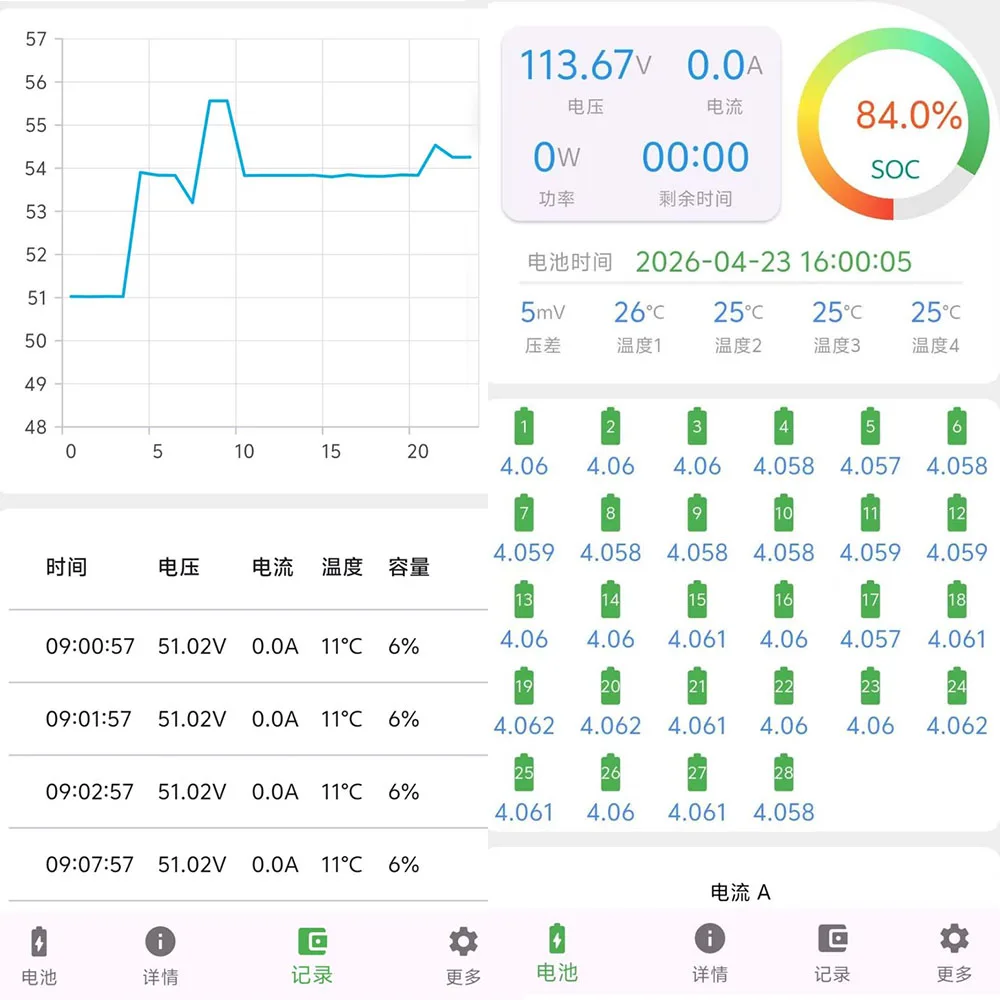
Intelligent BMS
The integrated intelligent BMS monitors battery operating conditions and provides protection and data communication functions for compatible UAV systems.
Per-Cell Voltage and Temperature
Monitors individual cell voltage and battery temperature during operation.
Current and SOC Monitoring
Provides current and remaining state-of-charge information through the supported monitoring interface.
Cycle and Battery Data Records
Operating data such as cycle count and battery condition information can be recorded for maintenance tracking.
Power-On Self-Test
The BMS performs a battery condition check when activated and can provide visual or audible alerts when configured limits are exceeded.
Automatic Sleep Function
The BMS can enter a low-power sleep mode after a defined period of inactivity to reduce unnecessary standby consumption.
CAN / RS485 Communication
Battery data can be transferred to compatible ground stations, flight-control systems, or monitoring platforms through CAN or RS485.
How Customization Works
|
Stage |
Estimated Time |
What You Need to Do |
|
1. Requirement intake |
1–2 days |
Provide drone model, payload weight, flight time target, and preferred flight controller type |
|
2. Specification draft |
3–5 days |
Review and approve mechanical drawing, electrical interface, and BMS parameter sheet |
|
3. Sample fabrication |
10–15 days |
We build 2–3 sample units per your spec |
|
4. Sample validation |
7–10 days |
You perform flight tests; we share internal test report (capacity, IR, cycle data) |
|
5. Bulk production |
20–30 days (depending on quantity) |
Place PO; we provide production schedule updates weekly |
|
6. Final QC & shipping |
3–5 days |
Each unit receives full electrical test + visual inspection; we share QC reports per batch |


Customization Services
Electrical Configuration
Voltage, capacity, continuous current, peak current, and C-rate can be configured according to the selected UAV power system and cell configuration.
Mechanical Configuration
Battery dimensions, connector arrangement, wiring, installation interface, and other pack dimensions can be adapted to the aircraft.
BMS Configuration
BMS protection parameters, monitoring functions, and CAN/RS485 communication can be configured according to compatible system requirements.
Charging Configuration
Charging interfaces and charger specifications can be selected according to the battery configuration.
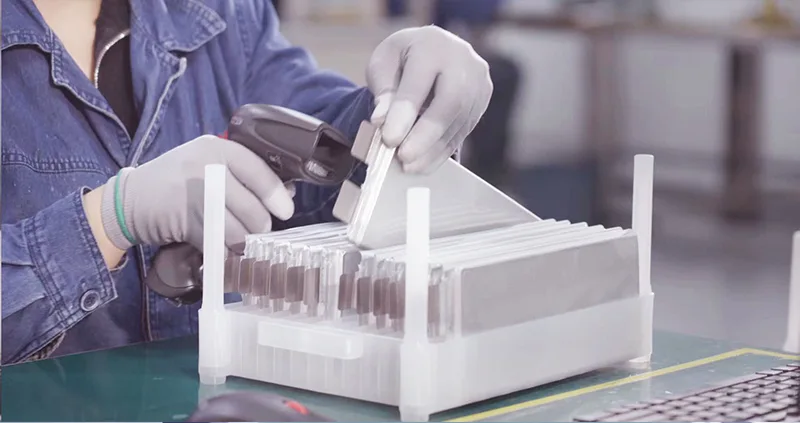
Battery Quality Control
Each battery pack is checked through defined inspection and testing procedures according to the approved technical specification.
Cell and Electrical Inspection
Cell condition, voltage, capacity, and electrical characteristics are checked according to the battery configuration.
Pack Assembly Inspection
Cell connections, insulation, wiring, connectors, and BMS installation are inspected during pack assembly.
BMS Functional Testing
Monitoring, protection, balancing, and communication functions are checked according to the configured BMS requirements.
Charge and Discharge Testing
Battery charging and discharging performance is evaluated against the approved voltage, capacity, and current requirements.
Final Inspection
Finished battery packs undergo final electrical and visual inspection before shipment.
FAQ
Q1: What current capability does the heavy lift drone battery provide?
The reference 14S/50Ah configuration provides 200A continuous and 300A peak current capability. Final current specifications depend on the battery configuration and application requirements.
Q2: Which voltage configurations are available?
Reference models include 12S, 14S, 16S, 18S, 24S, and 28S configurations, corresponding to rated voltages from 44.4V to 103.6V.
Q3: Can the battery size and capacity be customized?
Yes. Battery capacity, dimensions, voltage, C-rate, connectors, charging interface, and BMS parameters can be customized according to the UAV platform.
Q4: Does the battery include a BMS?
Yes. The reference heavy-lift configuration includes an integrated BMS. CAN and RS485 communication are available for compatible UAV control and monitoring systems.
Q5: What is the 1000-cycle specification based on?
The reference specification is 1000 cycles to 80% of initial capacity under the stated test conditions: 25°C ±2°C, 1C charging, 2C discharge, and 100% depth of discharge. Actual service life depends on operating conditions, charging practices, load, and temperature.
Q6: What information is needed for a customized heavy-lift UAV battery?
The main requirements include UAV model or platform, payload, battery compartment dimensions, required voltage, capacity target, continuous and peak current demand, connector type, charging requirements, and BMS communication requirements.
Hot Tags: Heavy Lift Drone Battery for Industrial UAV
Related Category
Send Inquiry
Please Feel free to give your inquiry in the form below. We will reply you in 24 hours.