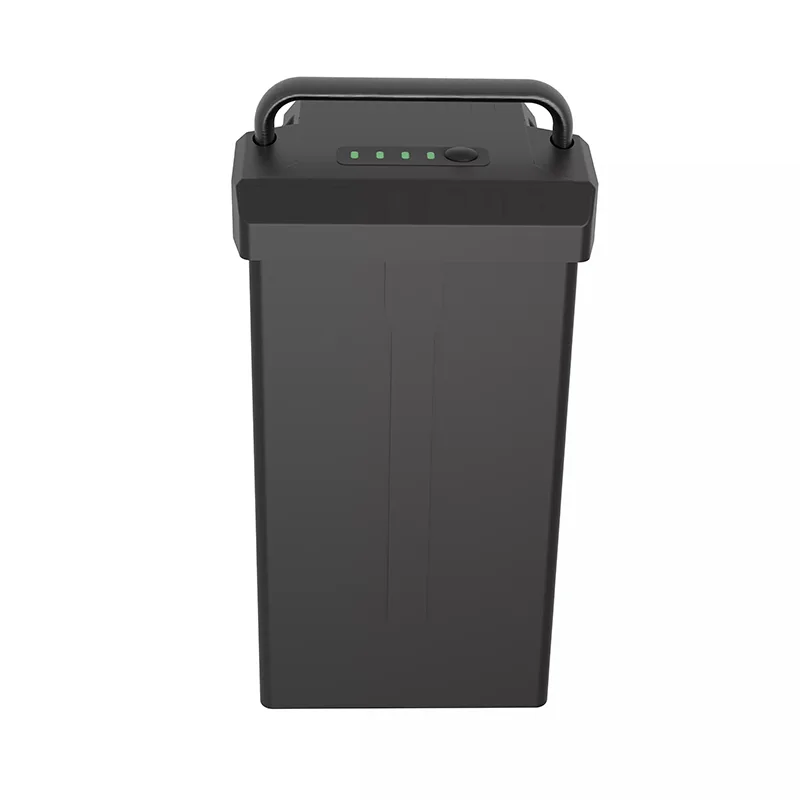
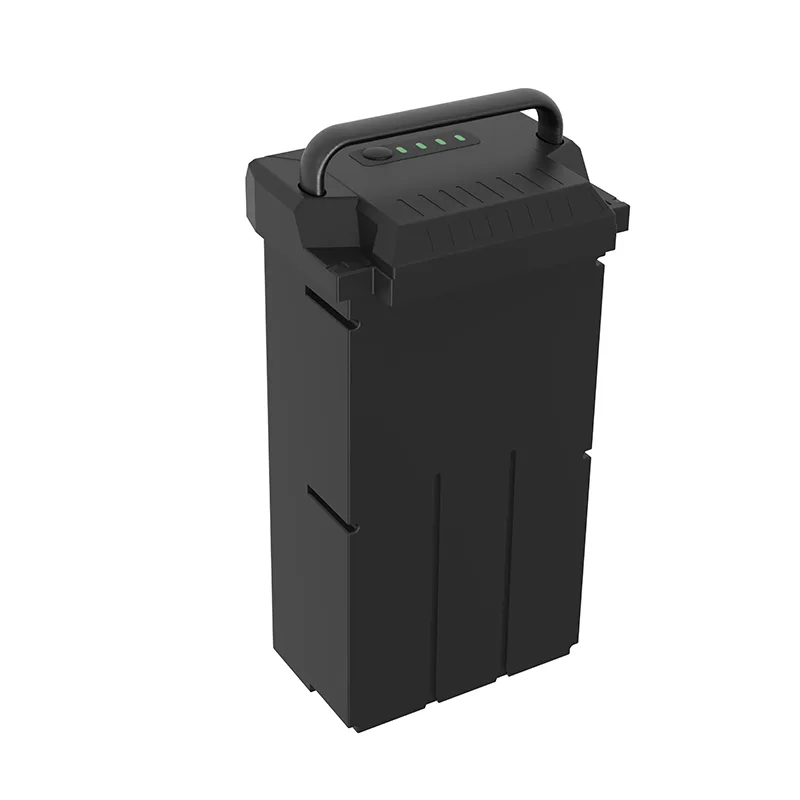
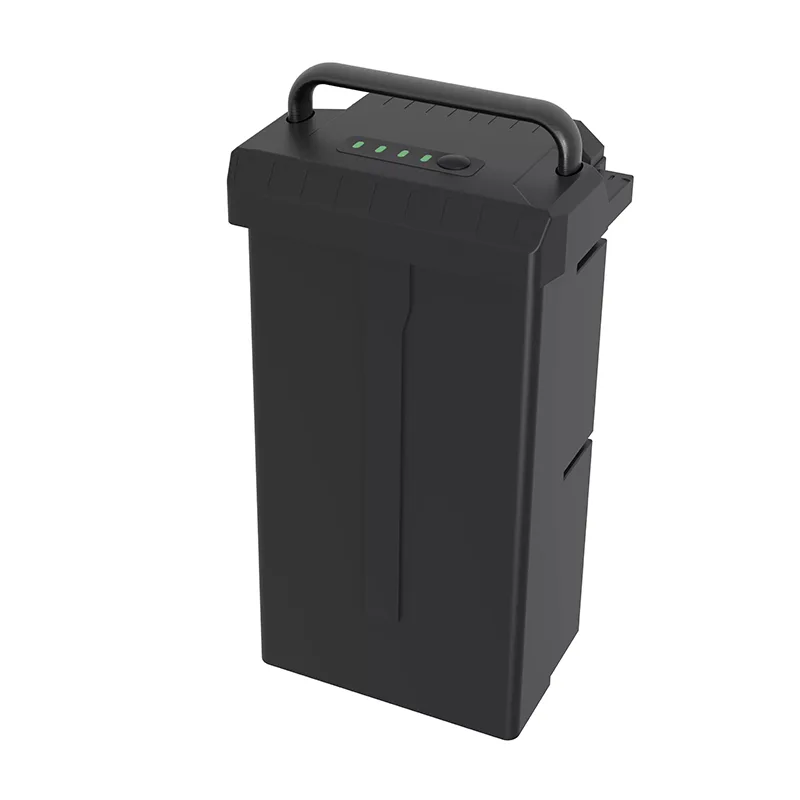
Smart BMS Drone Battery Pack
YIHANG, a Lithium battery manufacturer in China, supplies Smart BMS Drone Battery Pack with high-density LiPo cells, monitoring, and CAN/RS485 telemetry. Active cell balancing, configurable voltage and capacity, and >10C discharge support agricultural, inspection, mapping, and heavy-lift UAV platforms for use.
Send Inquiry
Product Description
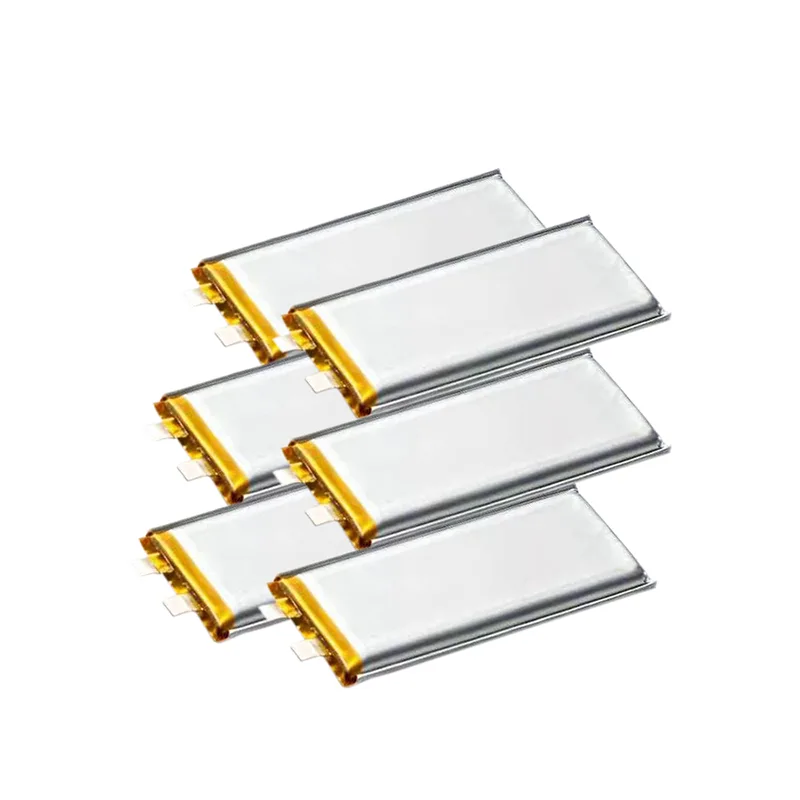
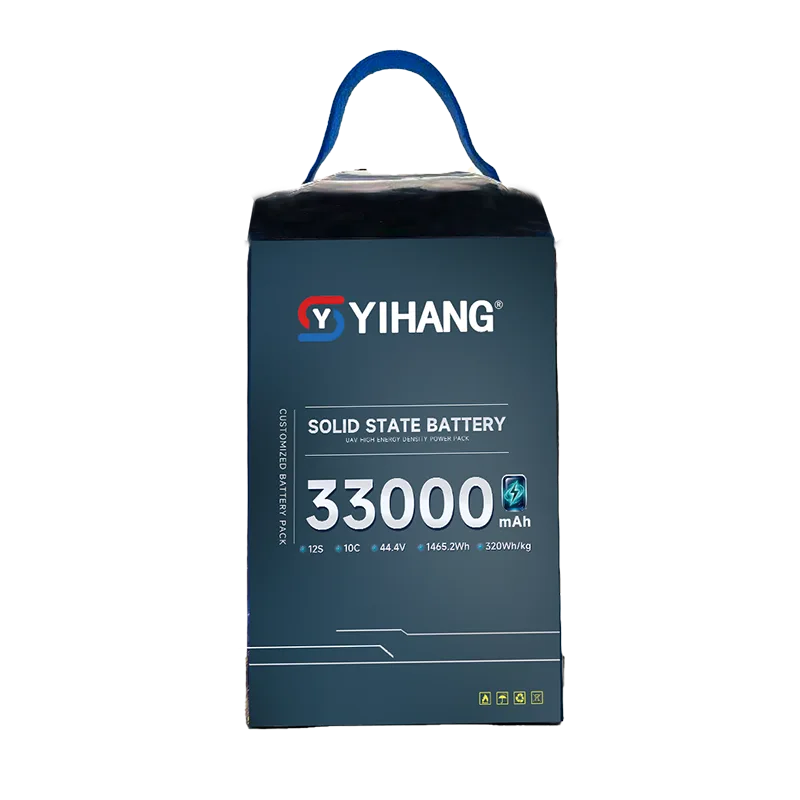
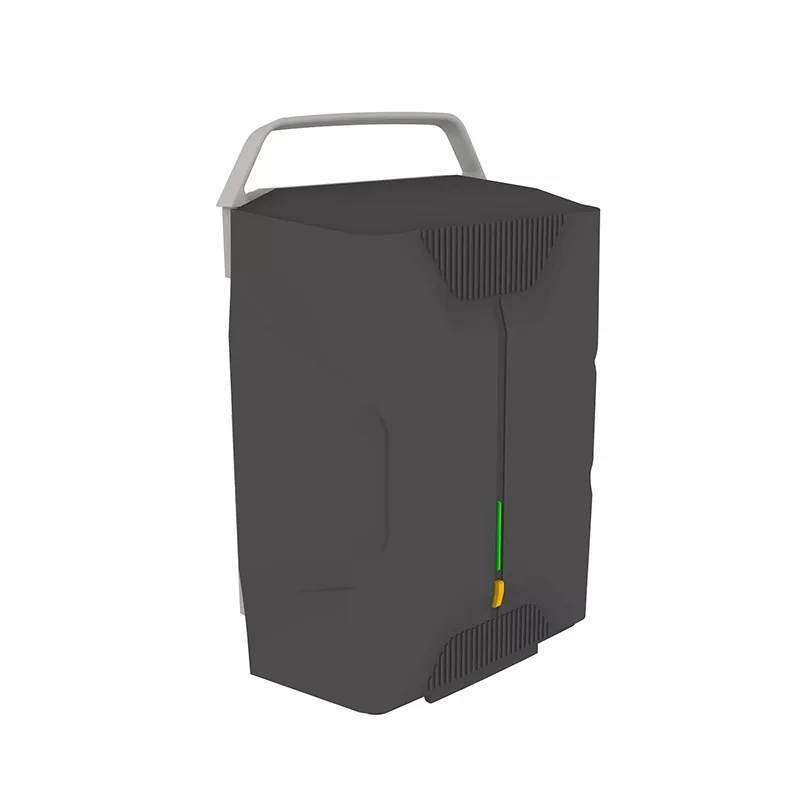
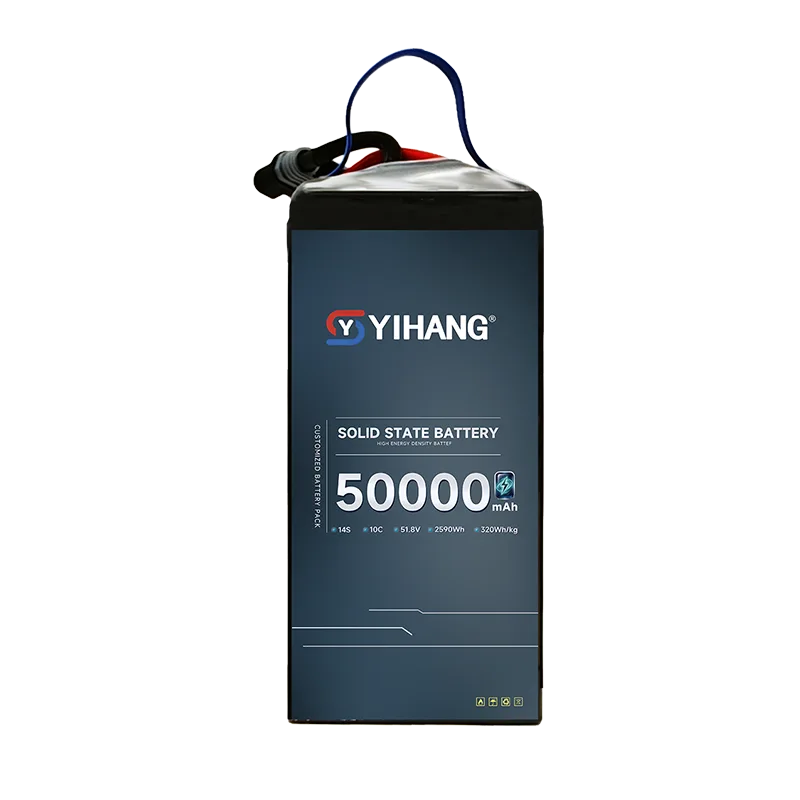
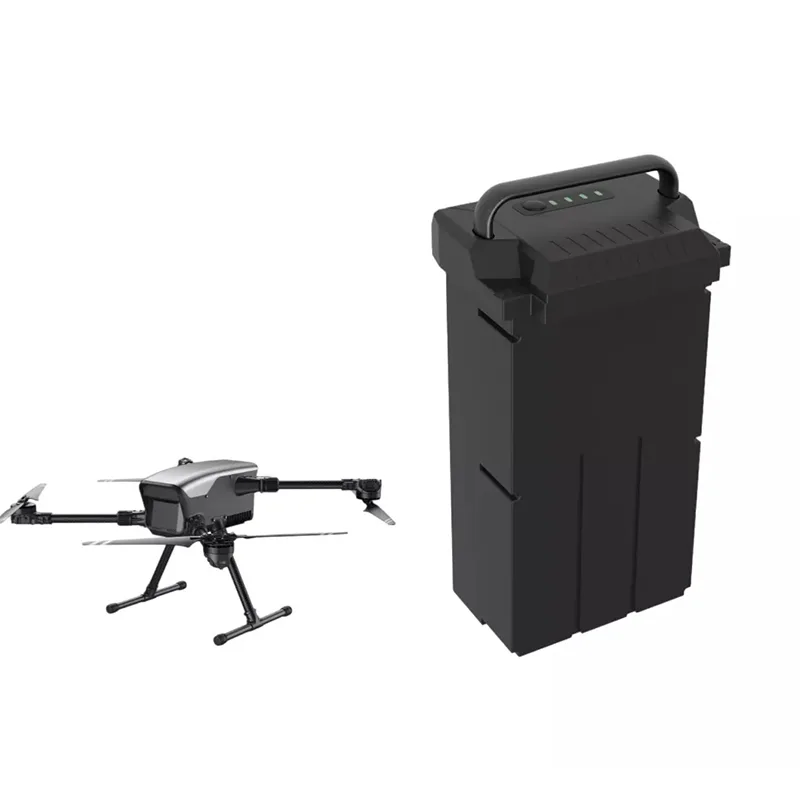
YIHANG factory develops Smart BMS Drone Battery Pack solutions for industrial UAV platforms that require controlled power output, battery status monitoring, and communication with the flight-control system. The pack combines high-density LiPo cells with an integrated BMS for monitoring cell voltage, pack current, temperature, and other operating conditions. CAN and RS485 communication can be configured for different UAV electrical architectures and telemetry requirements.
Battery Parameter
|
Classification Item |
Detailed Technical & Commercial Information |
|
Product full name |
Smart BMS Drone Battery Pack |
|
Battery density |
275Wh/kg--350Wh/kg |
|
Battery chemistry |
LiPo (high-density) |
|
Battery weight |
5.95kg (reference; varies by configuration) |
|
Battery voltage |
44.4V (configurable: 6S/8S/10S/12S/14S/16S) |
|
Discharge rate |
>10C (customizable) |
|
Battery size |
207*85*265mm (customizable) |
|
Charger |
Customized |
|
With BMS or not |
With BMS system |
|
Standard capacity |
24000mAh (customizable from 10000mAh to 30000mAh) |
|
Cycle life |
1000 cycles (to 80% initial capacity, tested at 25°C±2°C, 1C charge / 2C discharge, 100% DOD) |
|
MOQ requirement |
Negotiable; small quantity and trial orders welcome |
|
Available Custom Service |
Customized density, size, C‑rate, voltage, capacity, BMS parameters, communication protocol, and connectors |
|
Communication protocol |
RS485/ CAN |
|
warranty |
Yihang offer 1 year quality warranty under regular operation |
|
Payment term |
T/T,L/C |
|
TRADING TERM |
FOB/CIF |
|
MANUFACTURER |
YIHANG INTELLIGENT TECHNOLOGY CO.,LTD |
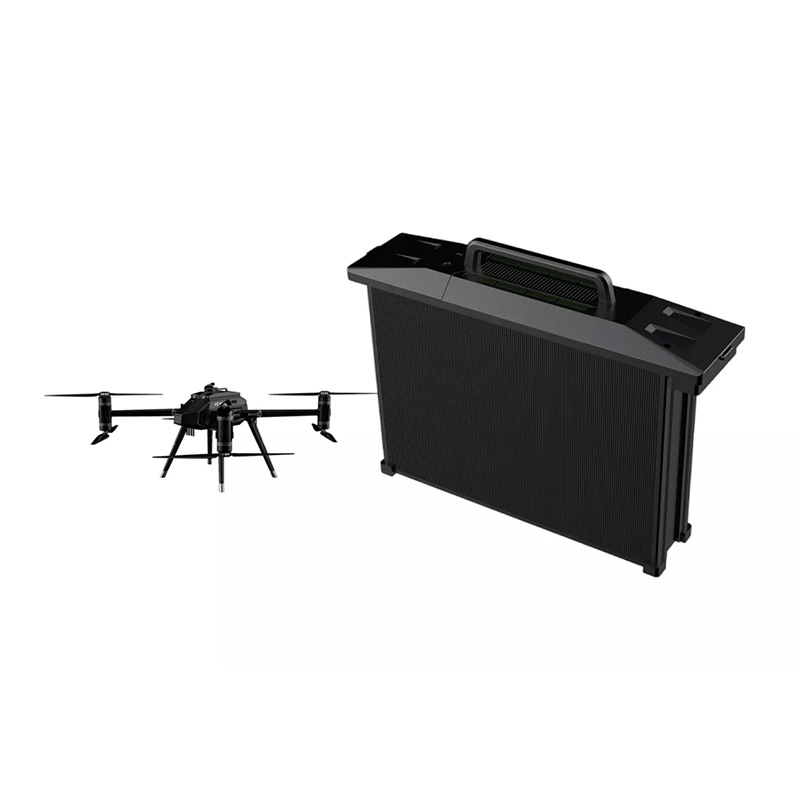
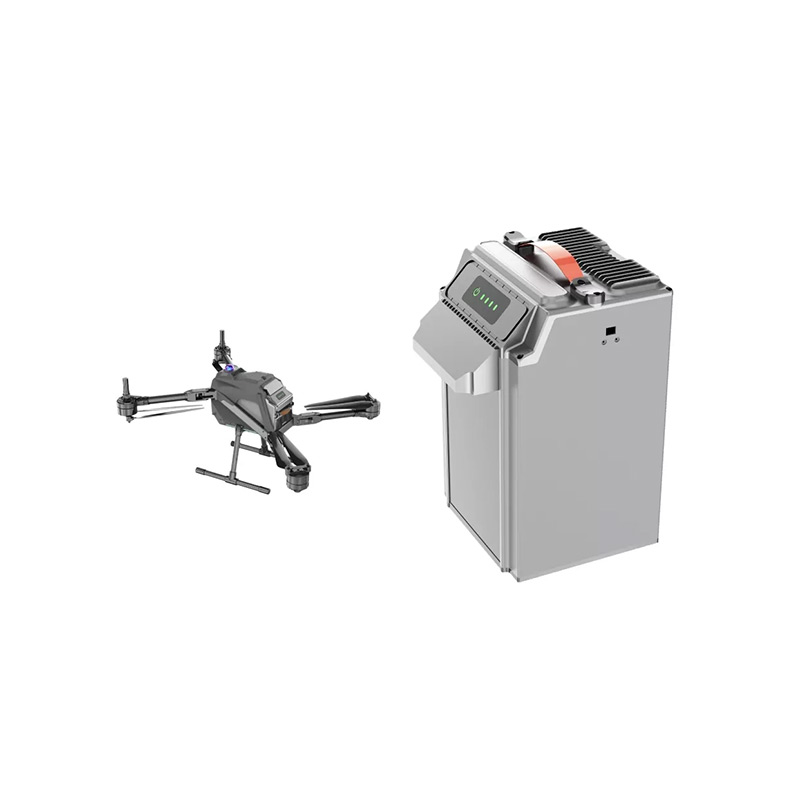
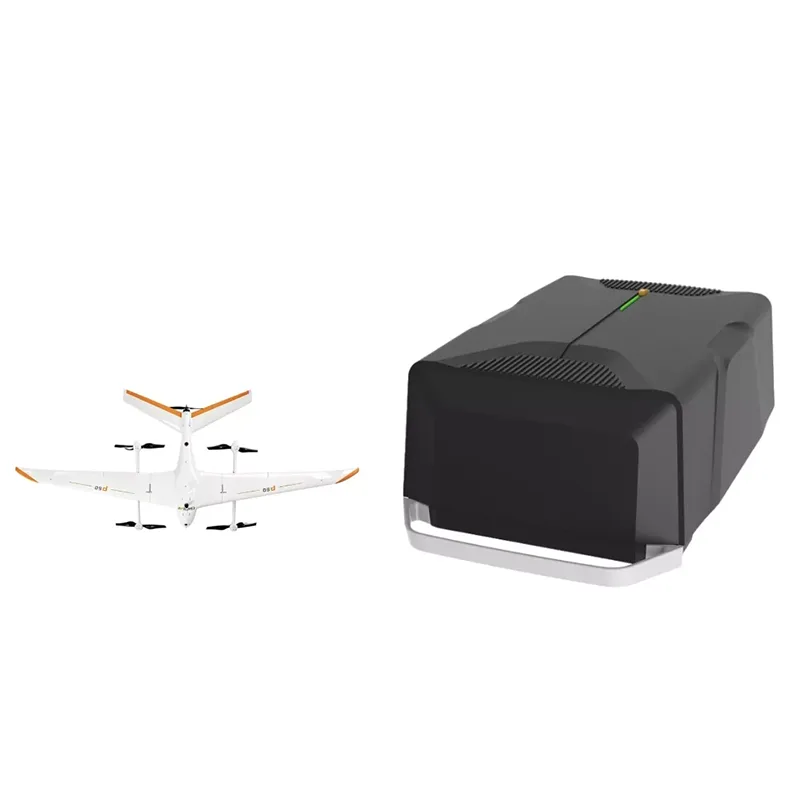
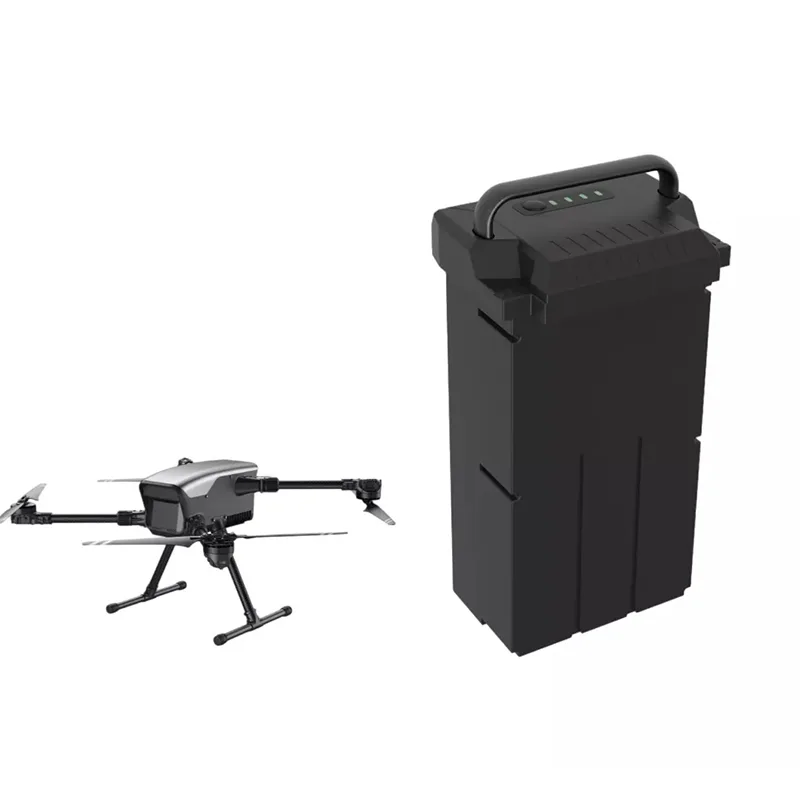
Industrial drone battery built with smart UAV BMS system. Core safety and performance test criteria below
|
Test Item |
Reference Standard |
Key Acceptance Criteria |
|
Voltage & Temperature Sampling |
IEC 62619, GB/T 46460-2025 |
Cell voltage error ≤ ±10 mV Temperature error ≤ ±2°C, multi-point sensing Stable UAV BMS battery data across full operating temperature range |
|
Over-Charge / Over-Discharge Protection |
IEC 62619, GB/T 46460-2025 |
BMS cuts charge / discharge at preset thresholds Auto-recovery only when voltage returns normal No fire, explosion or electrolyte leakage |
|
Charge & Discharge Over-Current Protection |
IEC 62619, GB/T 46460-2025 |
Fast circuit cut-off on over-current BMS hardware remains undamaged after fault trigger |
|
External Short-Circuit Protection |
IEC 62619, GB/T 46460-2025 |
Instant protection for external short circuit No smoke, fire or explosion |
|
Cell Balancing Function |
IEC 62620, GB/T 46460-2025 |
Reduces series cell voltage delta in drone lithium battery pack Balancing circuit runs without overheating |
|
CAN Communication & SOC Calculation |
GB/T 46460-2025, ISO 24352:2023 |
SOC error ≤ ±3% for industrial drone battery CAN bus outputs real-time battery status Built-in fail-safe for CAN communication loss |
|
Fault Alarm Feedback |
IEC 62619, GB/T 46460-2025 |
Alarm triggers for abnormal conditions Recoverable faults clear after issue fixed Critical faults lock and cannot auto-reset |
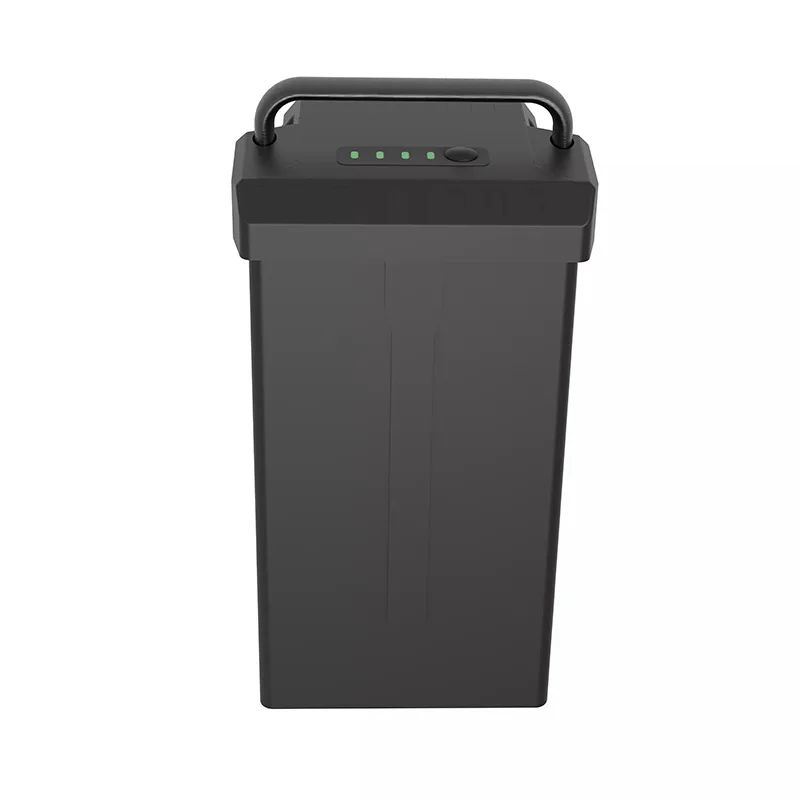
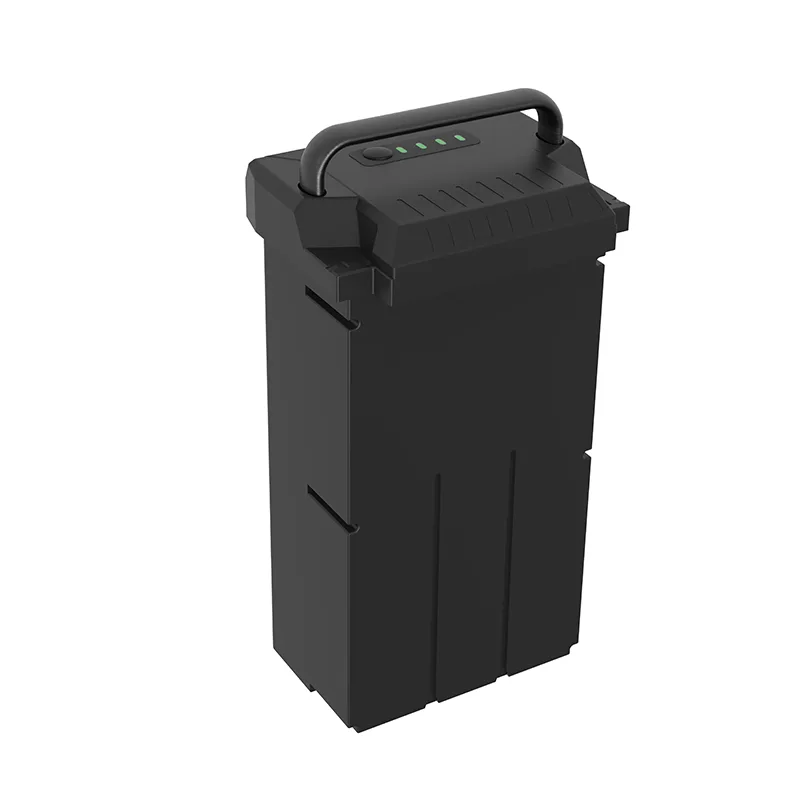
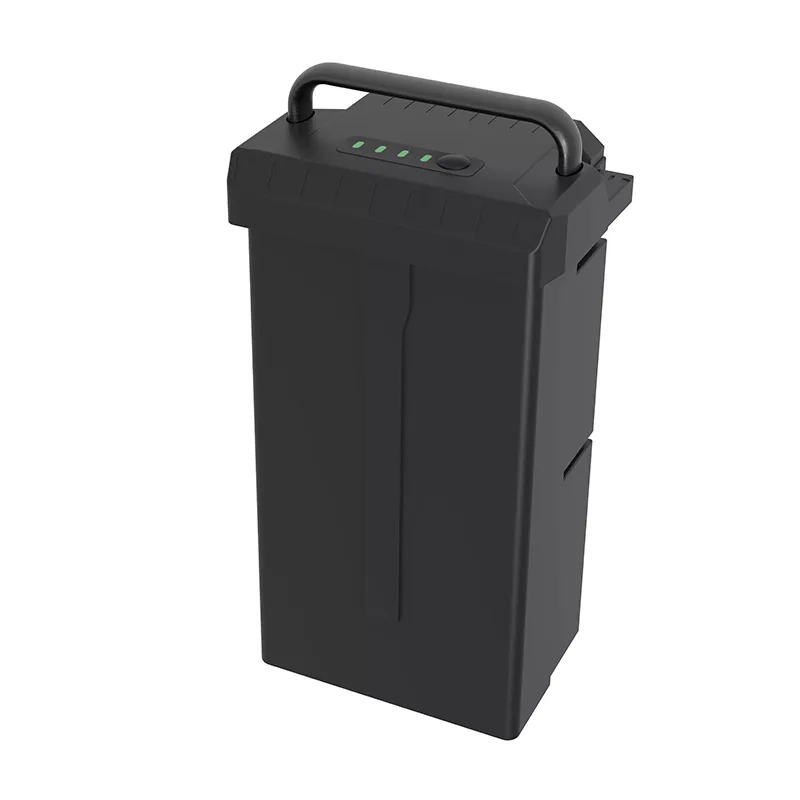
What is a Smart BMS Drone Battery Pack?
It is a UAV battery pack that combines LiPo cells with a battery management system capable of monitoring battery conditions, managing cell balance, providing protection functions, and communicating battery information through supported interfaces.
Smart BMS Functions
Active Cell Balancing The BMS actively manages cell voltage differences during charging and operation to help maintain pack balance and support consistent battery performance.
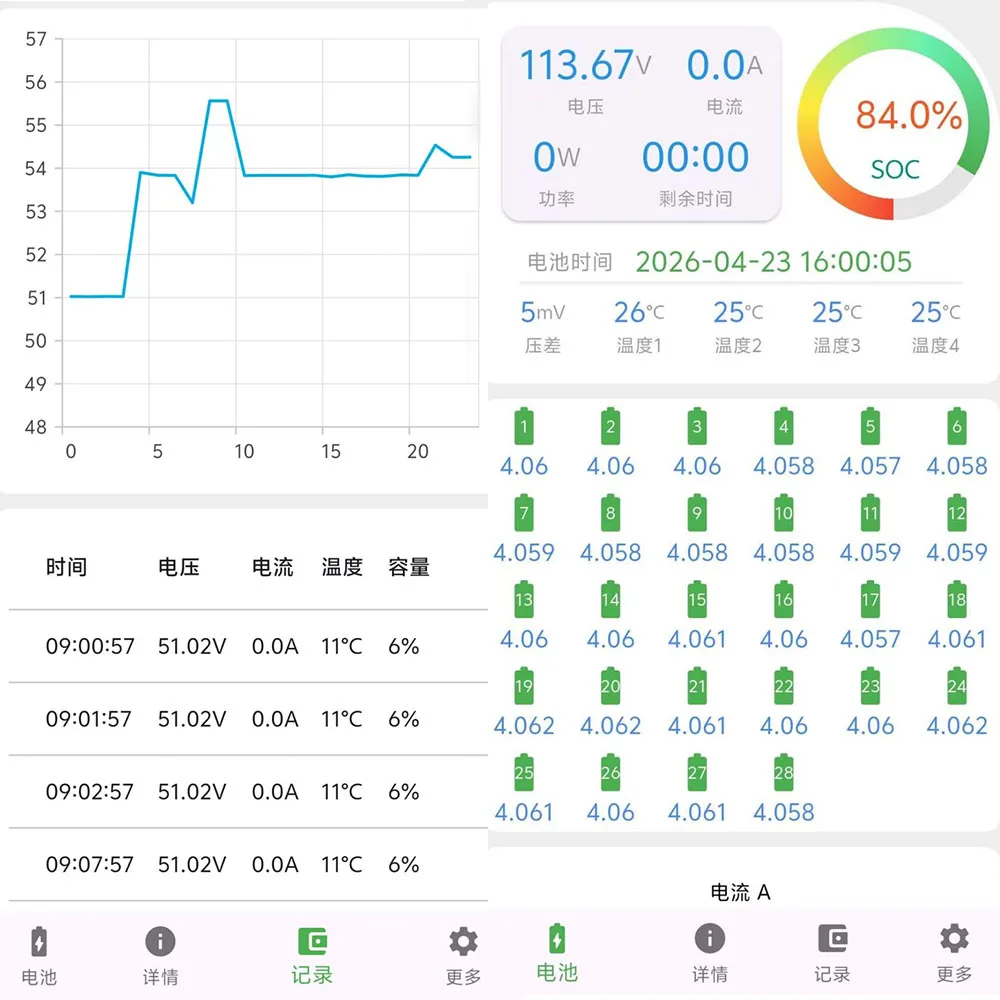
Cell and Pack Monitoring The system monitors individual cell voltage, pack current, temperature, and related battery status information. The collected data can be used for battery condition monitoring and flight-system management.
SOC and SOH Estimation A CEDV-based fuel-gauge approach is used to estimate State of Charge (SOC) and State of Health (SOH) under changing operating conditions. Actual accuracy depends on cell characteristics, temperature, load profile, and system calibration.
CAN / RS485 Communication Battery information can be transmitted through CAN Bus or RS485 interfaces for integration with compatible flight controllers, control systems, or ground-station equipment.
Configurable Protection Parameters Protection thresholds and BMS operating parameters can be adjusted according to battery configuration and system requirements, including voltage, current, temperature, and communication settings.
Data-sheet of Different Batteries
|
Product name |
Code number |
Capacity |
Voltage |
Size |
Weight |
Discharge cate |
|
12S/10AH |
Y01-B1210A2-01 |
10000mAh |
44.4V |
169*83*170mm |
2.75kg |
>10c |
|
12S/12AH |
Y01-B1212A3-01 |
12000mAh |
44.4V |
169*83*170mm |
2.75kg |
>10c |
|
12S/15AH |
Y01-B1215A2-01 |
15000mAh |
44.4V |
169*83*225mm |
3.9kg |
>10c |
|
12S/18AH |
Y01-B1218A3-01 |
18000mAh |
44.4V |
168*83*225mm |
3.9kg |
>10c |
|
12S/20AH |
Y01-B1220A2-01 |
20000mAh |
44.4V |
169*83*280mm |
5.0kg |
>10c |
|
12S/24AH |
Y01-B1224A3-01 |
24000mAh |
44.4V |
169*83*280mm |
5.0kg |
>10c |
|
12S/30AH |
Y01-B1230A3-01 |
30000mAh |
44.4V |
207*85*280mm |
6.5kg |
>10c |
|
14S/20AH |
Y01-B1420A2-01 |
20000mAh |
51.8V |
169*83*320mm |
6.4kg |
>10c |
|
14S/24AH |
Y01-B1424A3-01 |
24000mAh |
51.8V |
169*83*320mm |
6.4kg |
>10c |
|
14S/25AH |
Y01-B1425A2-01 |
25000mAh |
51.8V |
207*85*320mm |
7.5kg |
>10c |
|
14S/30AH |
Y01-B1430A3-01 |
30000mAh |
51.8V |
207*85*320mm |
7.5kg |
>10c |
|
16S/25AH |
Y01-B1625A2-0 |
25000mAh |
59.2V |
207*85*365mm |
7.5kg |
>10c |
|
16S/25AH |
Y01-B1625A2-01 |
25000mAh |
59.2V |
207*85*365mm |
9.0kg |
>10c |
|
16S/30AH |
Y01-B1630A3-01 |
30000mAh |
59.2V |
207*85*365mm |
9.0kg |
>10c |
|
Other capacities, voltages, and sizes available upon request. |
||||||
Key Advantages
In-House Smart BMS YIHANG develops the BMS hardware and firmware for cell balancing, battery protection, SOC/SOH estimation, and CAN/RS485 communication.
Active Cell Balancing Helps reduce voltage differences between cells and maintain more consistent pack performance.
CEDV-Based SOC & SOH Provides battery state and health estimation based on cell discharge characteristics, with accuracy depending on operating conditions and calibration.
Flexible Battery Configuration 6S–16S, 10000mAh–30000mAh, plus customized dimensions, connectors, discharge rate, and BMS parameters.
UAV System Integration CAN/RS485 communication and configurable BMS parameters support integration with compatible flight controllers and ground systems.
Product Applications
The battery is suitable for UAV platforms where battery monitoring, configurable power characteristics, and system communication are required.
Agricultural UAVs Suitable for spraying and crop-protection platforms that operate with repeated charge, discharge, and payload cycles.
Mapping and Survey UAVs Can be configured for UAVs carrying mapping cameras, LiDAR systems, multispectral sensors, or other electronic payloads.
Inspection Drones CAN/RS485 communication can provide battery operating data to compatible monitoring or control systems used in infrastructure inspection.
Heavy-Lift UAVs Higher-capacity and higher-voltage configurations can be developed for UAV platforms with greater power and payload requirements.
Specialized Industrial UAVs Voltage, capacity, physical dimensions, connectors, and BMS parameters can be adapted for dedicated UAV platforms and prototype projects.
Why Choose YIHANG for Your Smart BMS Battery
BMS Engineering Capability In-house control of BMS hardware, firmware, and communication configuration supports application-specific battery development.
UAV-Focused Customization Battery voltage, capacity, dimensions, connectors, C-rate, and BMS parameters can be adapted to different UAV platforms.
Multiple Reference Models 12S, 14S, and 16S battery models are available across different capacity and size configurations for evaluation and project development.
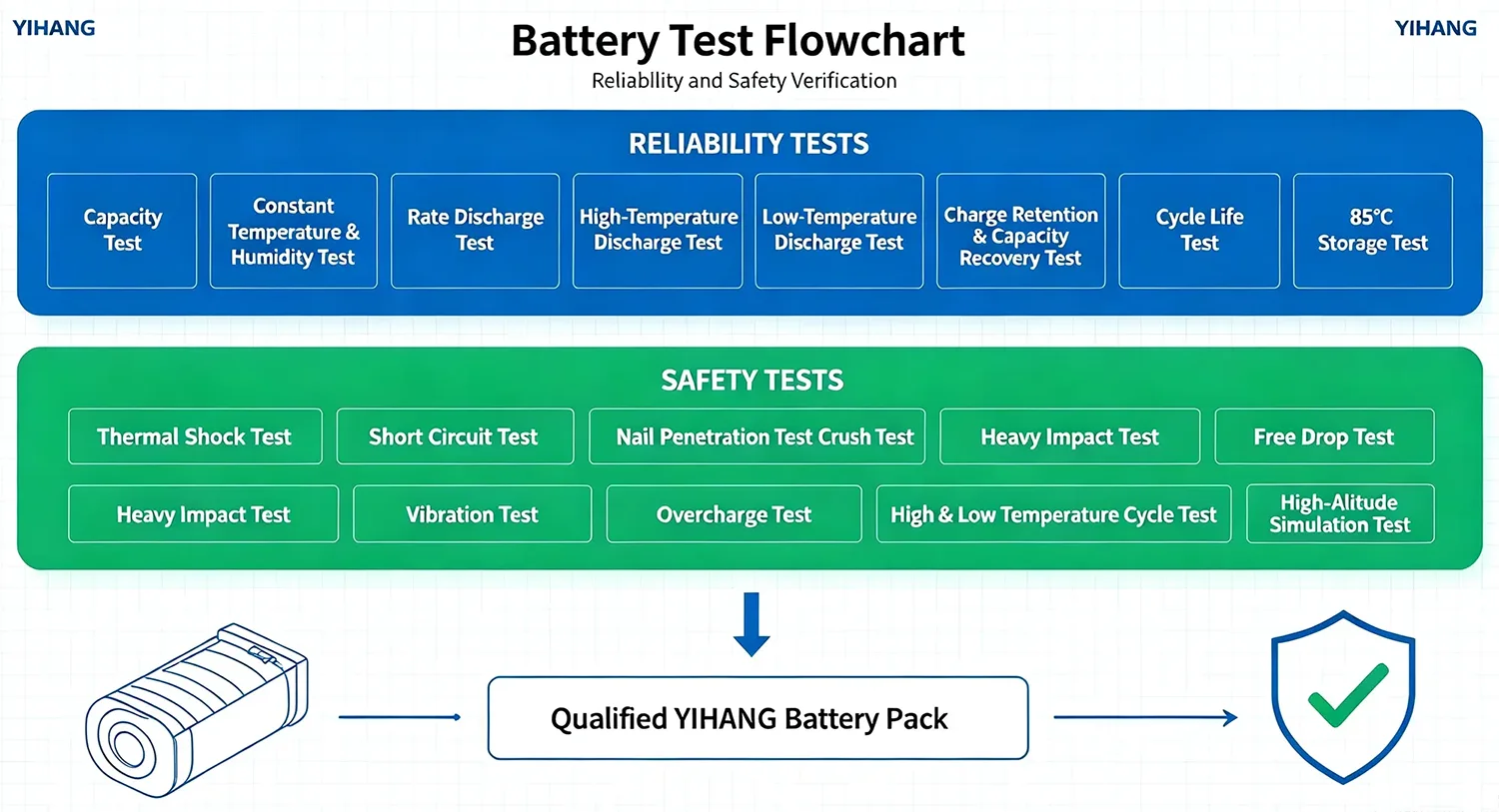
Testing and Validation Battery packs are evaluated for electrical performance, BMS functions, communication, and the agreed technical specifications before delivery.
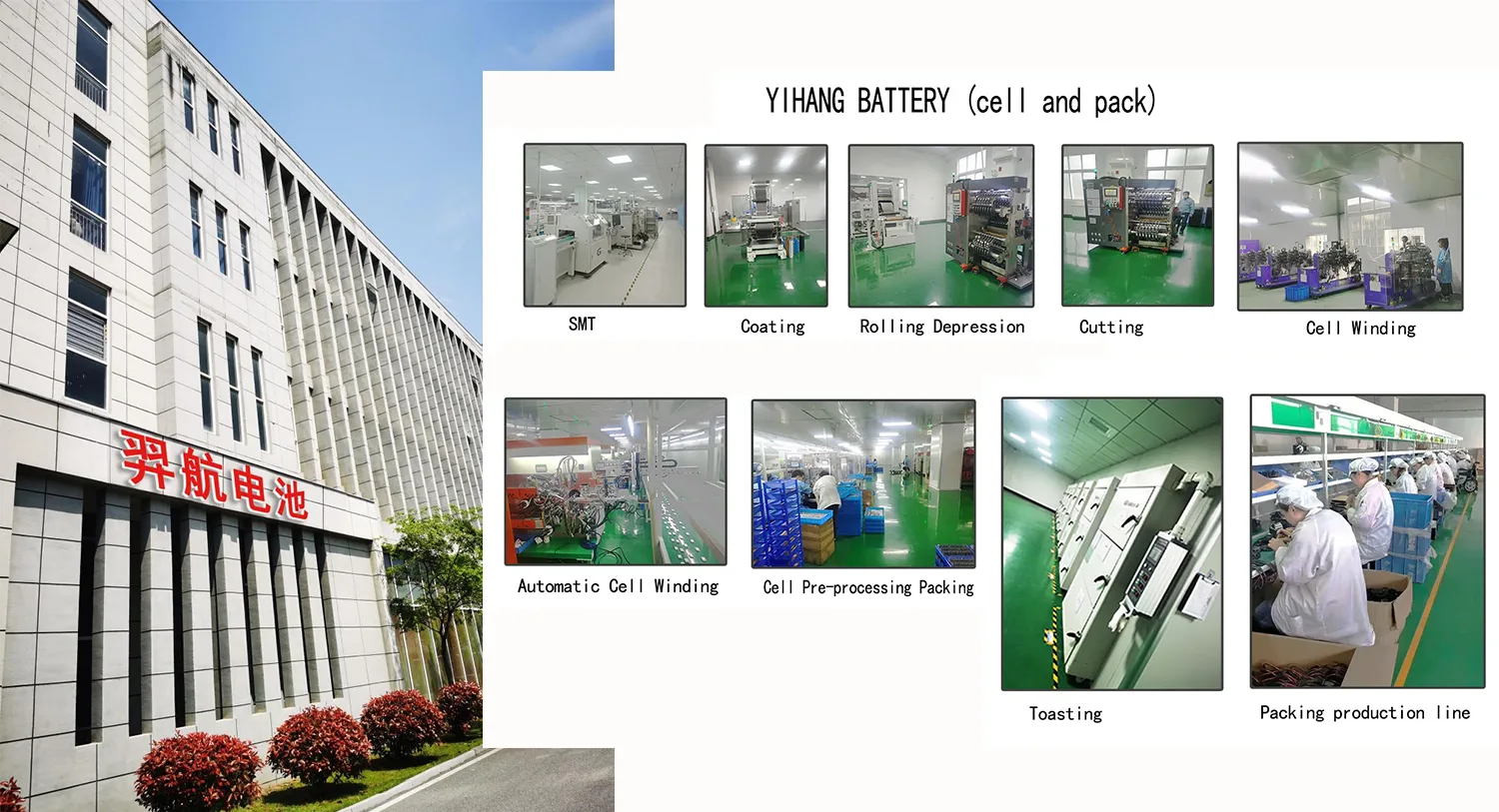
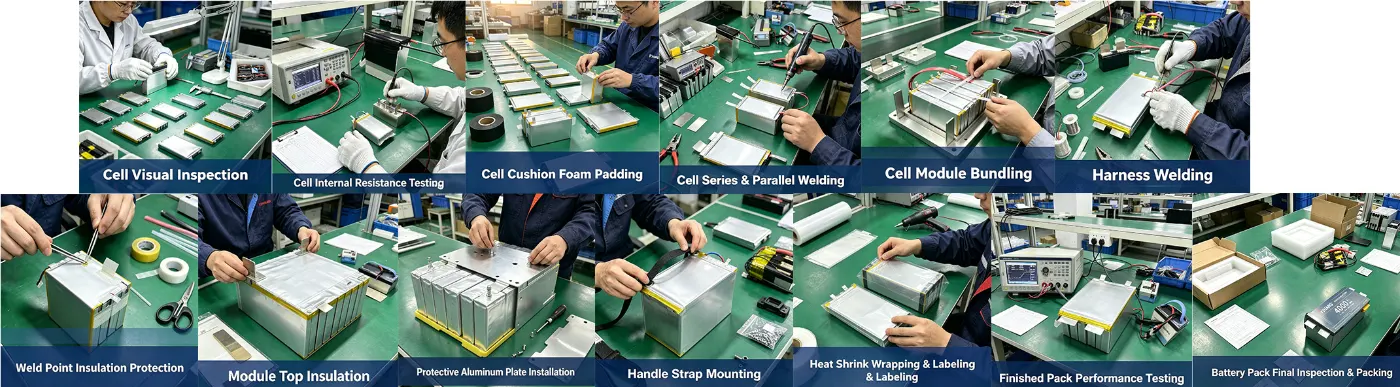
Production Line — From BMS Design to Pack Assembly
We do it all in-house. BMS hardware design, firmware development, cell manufacturing, pack assembly, and final testing. This is rare in the drone battery industry — most brands assemble packs using third-party cells and BMS boards.
Trial orders start at 5–10 units. Fly it first, then scale up when you're ready.
Production & Customization Process
|
Stage |
Estimated Time |
What You Need to Do |
|
1. Requirement intake |
1–2 days |
Provide drone model, preferred voltage/C-rate, capacity target, and battery bay dimensions |
|
2. Specification draft |
3–5 days |
Review and approve mechanical drawing, electrical interface, and BMS parameter sheet |
|
3. Sample fabrication |
10–15 days |
We build 2–3 sample units per your spec |
|
4. Sample validation |
7–10 days |
Perform flight tests; we share internal test report (capacity, IR, cycle data) |
|
5. Bulk production |
20–30 days |
Place PO; we provide weekly production updates |
|
6. Final QC & shipping |
3–5 days |
Each unit receives full electrical test + visual inspection; QC reports shared per batch |
FAQ
What voltage configurations are available?
The listed configurations cover 6S to 16S, including 12S, 14S, and 16S battery solutions. Final voltage depends on the selected battery architecture.
Can the battery capacity and dimensions be customized?
Yes. Capacity, dimensions, voltage, connectors, discharge rate, and other battery parameters can be adjusted according to the target UAV platform.
Does the BMS support CAN and RS485?
Yes. CAN and RS485 communication are available for compatible UAV control and monitoring systems. The communication configuration should be confirmed during the engineering stage.
What does the 1,000-cycle specification mean?
The 1,000-cycle figure refers to a defined test condition in which the battery reaches 80% of its initial capacity after cycling at 25°C ±2°C, with 1C charging, 2C discharge, and 100% depth of discharge. Actual cycle life varies according to operating conditions.
Is this battery suitable for agricultural or industrial drones?
Yes. The available configurations can be used for agricultural, mapping, inspection, heavy-lift, and other industrial UAV platforms, provided the voltage, current, physical dimensions, connector interface, and BMS communication requirements are compatible.
Can YIHANG develop a battery for a new UAV platform?
Yes. For a new UAV project, YIHANG can evaluate the required voltage, capacity, discharge rate, battery dimensions, connector arrangement, and BMS communication requirements and develop a corresponding battery configuration.
Hot Tags: Smart BMS Drone Battery Pack, Smart Drone Battery with BMS, Drone Battery Pack Manufacturer
Related Category
Send Inquiry
Please Feel free to give your inquiry in the form below. We will reply you in 24 hours.